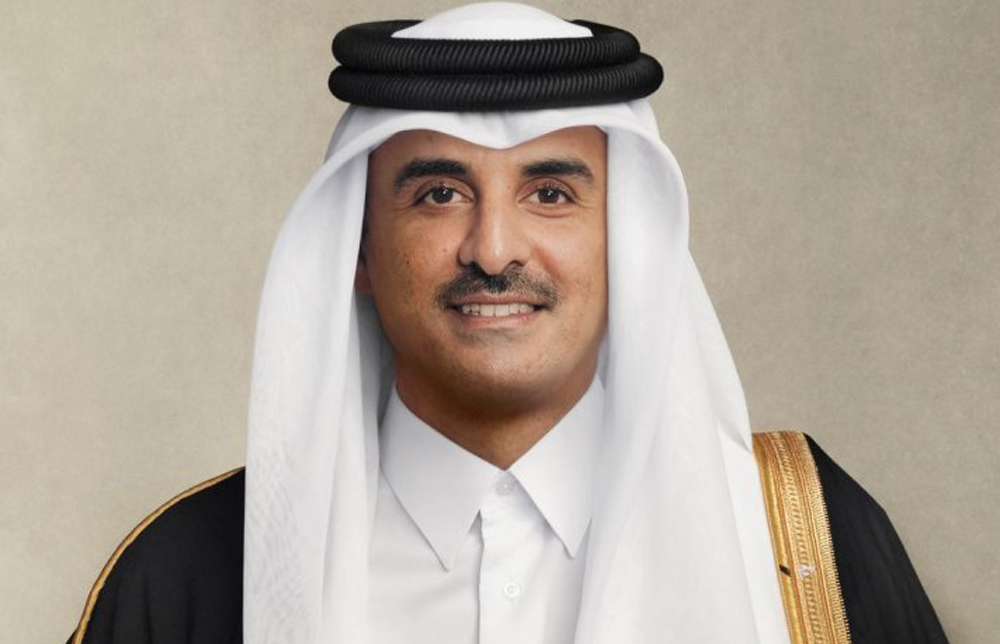

Doha, Qatar – Celebrations for Qatar National Day commenced on December 18th, marked by an influx of congratulatory messages from global leaders. His Highness Sheikh Tamim bin Hamad Al-Thani, the Amir of Qatar, received cables of congratulations from heads of state, royalty, and dignitaries across the world, acknowledging the significance of the annual observance. The day commemorates the unification of Qatar under Sheikh Mohammed bin Abdullah Al-Thani in 1878.
The annual observance, held on December 18th, is a national holiday in Qatar, celebrating the country’s history and achievements. This year’s Qatar National Day coincides with ongoing preparations for several major international events, including the FIFA World Cup 2026 co-hosting bid and continued economic diversification efforts. The outpouring of support from international counterparts underscores Qatar’s growing role on the world stage.
The Significance of Qatar National Day
Qatar National Day is more than just a public holiday; it represents a pivotal moment in the nation’s history. The date commemorates the first ruler to unify the tribes of Qatar under a single banner, laying the foundation for the modern state. The day is a time for Qataris to reflect on their heritage and reaffirm their national identity.
Historical Context
Prior to 1878, the Qatari peninsula was characterized by a collection of independent tribes. Sheikh Mohammed bin Abdullah Al-Thani’s leadership brought stability and a sense of collective purpose, ultimately leading to the establishment of a unified Qatar. This unification was crucial for navigating the complex political landscape of the region at the time.
Modern Celebrations
Contemporary Qatar National Day celebrations are vibrant and widespread. They include national parades, cultural performances, and displays of traditional Qatari art and craftsmanship. Public spaces are adorned with the national flag, and citizens often wear traditional clothing. The celebrations also extend to social media, with a dedicated hashtag trending nationally.
Additionally, the Ministry of Culture and Sports typically organizes a series of events throughout the month of December leading up to the National Day, fostering a sense of community and national pride. These events often showcase Qatari talent and promote cultural understanding. The focus on cultural heritage is a key component of the celebrations.
However, the celebrations this year are taking place against a backdrop of regional and global challenges. Geopolitical tensions and economic uncertainties continue to impact the Middle East, requiring Qatar to navigate a complex international environment. Despite these challenges, the country remains committed to its development goals and its role as a mediator in regional conflicts.
Meanwhile, Qatar’s economic outlook remains positive, driven by its substantial hydrocarbon reserves and its diversification efforts. The country is investing heavily in infrastructure, education, and healthcare, aiming to create a sustainable and knowledge-based economy. This diversification is seen as crucial for long-term economic stability and resilience. The national holiday provides an opportunity to highlight these achievements.
In contrast to previous years, this year’s celebrations also carry added weight as Qatar prepares to potentially co-host the FIFA World Cup 2026. The successful hosting of the 2022 FIFA World Cup demonstrated Qatar’s ability to organize and execute large-scale international events, and a successful bid for 2026 would further solidify its position as a global sports hub. The government has expressed strong support for the bid.
Looking ahead, Qatar is expected to continue its efforts to strengthen its international relationships and promote regional stability. The country’s foreign policy is focused on diplomacy and mediation, seeking to resolve conflicts through peaceful means. The next major step will be the outcome of the FIFA World Cup 2026 bid process, with a decision anticipated in the coming months. The evolving geopolitical landscape and global economic conditions will also be key factors to watch in the coming year, impacting Qatar’s development trajectory and its role in the region.
The continued focus on Qatar’s national identity and cultural preservation will likely remain a priority, ensuring that the nation’s heritage is celebrated and passed on to future generations. The Ministry of Culture and Sports is expected to announce further initiatives aimed at promoting Qatari arts and traditions in the new year.