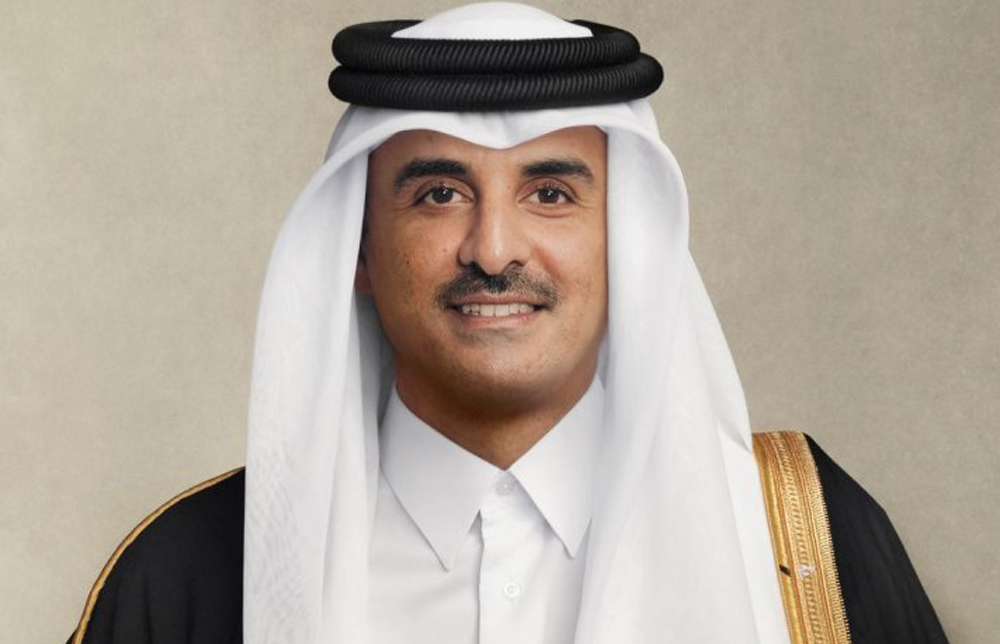

Doha, Qatar – A significant restructuring of the Qatar Museums Board of Trustees has been announced by Amir HH Sheikh Tamim bin Hamad Al-Thani via Amiri Decision No. 62 of 2025. The decision, effective immediately, impacts the leadership and composition of the organization responsible for the nation’s museums and cultural heritage. This move signals a continued focus on the development and promotion of arts and culture within Qatar.
HE Sheikha Al Mayassa bint Hamad bin Khalifa Al-Thani will remain as Chairperson of the Board, providing continuity in strategic direction. Notably, HE Sheikh Thani bin Hamad bin Khalifa Al-Thani has been appointed as the new Vice-Chair, succeeding the previous holder of the position. The changes are expected to streamline decision-making processes within the cultural sector.
New Leadership for Qatar Museums
The Amiri Decision outlines a revised Board of Trustees comprised of prominent figures in Qatari society. Alongside the Chairperson and Vice-Chair, the new board members include HE Maryam bint Ali bin Nasser Al Misnad, HE Saad bin Ali bin Saad Al Kharji, HE Mishal bin Mohammed bin Abdullah Al Mahmoud, HE Mohammed bin Hassan Al Malki, HE Mohammed bin Abdulaziz bin Mohammed Al Meer, Reem Mohammed Al Mansoori, and Abdullah Ahmed Al Najjar. This diverse group represents a range of expertise relevant to the museum’s operations.
Qatar Museums plays a crucial role in preserving and showcasing the country’s rich history and artistic traditions. Established in 2005, the organization oversees a network of museums including the Museum of Islamic Art, the National Museum of Qatar, Mathaf: Arab Museum of Modern Art, and the Fire Station – Artist Residencies. It also spearheads various cultural initiatives and programs designed to engage both local communities and international audiences.
Impact on Cultural Strategy
The restructuring comes at a pivotal time as Qatar continues to invest heavily in its cultural infrastructure. These investments are not only designed to benefit the country’s citizens but also to solidify Qatar’s position as a global hub for arts and culture. This change in leadership might influence the direction of future exhibitions and programming.
While the exact implications of the board reshuffle remain to be seen, analysts suggest it reflects a desire for fresh perspectives and reinforced leadership within the cultural institutions. Qatar has been actively promoting tourism through its cultural offerings, and a strong, effective Qatar Museums board is essential for achieving these goals. The nation’s museum sector has experienced significant growth in recent years.
The appointment of HE Sheikh Thani bin Hamad bin Khalifa Al-Thani as Vice-Chair is particularly noteworthy. He brings extensive experience in various sectors and is expected to provide valuable support to Sheikha Al Mayassa in guiding the organization’s strategic development. This partnership will likely focus on furthering Qatar’s national vision.
The Amiri Decision underscores the commitment of Qatar’s leadership to the continued growth and development of the country’s arts and culture scene, reflecting a broader national strategy for diversification and economic development. Qatar’s cultural landscape is rapidly evolving, attracting international attention.
The decision was published in the official gazette, ensuring its legal validity and public accessibility. As the new board convenes, the focus will likely shift to reviewing ongoing projects and defining priorities for the coming years. Stakeholders within the arts and culture community will be closely watching for any shifts in policy or programming.
The next step involves the formalization of roles and responsibilities within the newly constituted board. It is anticipated that committee assignments and a schedule of meetings will be announced shortly. Future developments to monitor include the announcement of upcoming major exhibitions and initiatives, as well as any potential impacts on the operational budgets of individual museums.