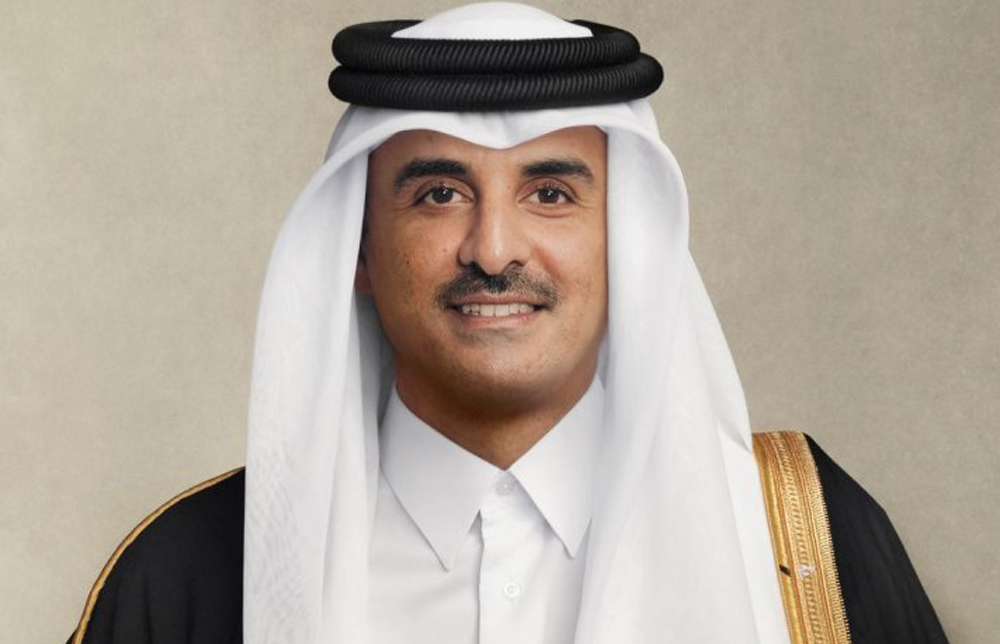

Doha, Qatar – The FIFA Arab Cup Qatar 2025 officially commenced on Monday evening with an inauguration ceremony at Al Bayt Stadium in Al Khor City, presided over by the Amir HH Sheikh Tamim bin Hamad Al-Thani. This tournament, a significant stepping stone for Qatar’s continued role in international football, features national teams from across the Arab region vying for the championship title. The opening marked the beginning of weeks of competition and showcases Qatar’s infrastructure and organizational capabilities ahead of future major events.
Attended by a distinguished gathering of dignitaries, including members of the royal family, government officials, and representatives from Arab football federations, the event underscored the importance of the FIFA Arab Cup to regional unity and sporting development. The presence of high-level officials from participating nations highlighted the collaborative spirit surrounding the tournament. Prime Minister and Minister of Foreign Affairs Sheikh Mohammed bin Abdulrahman bin Jassim Al-Thani was among those present at the opening ceremony.
Qatar Launches the 2025 FIFA Arab Cup
The 2025 iteration of the FIFA Arab Cup builds on the success of the 2021 edition, which served as a dress rehearsal for Qatar’s hosting of the FIFA World Cup 2022. That event, held in November and December 2021, saw Algeria claim the title. According to FIFA, the Arab Cup aims to promote football development within the Arab region and provide a competitive platform for national teams.
This year, the tournament serves as a valuable opportunity for Qatar to refine its operational procedures and further demonstrate its readiness for hosting major sporting spectacles. The infrastructure, including the eight FIFA World Cup Qatar 2022 stadiums, remains in place and is being utilized for the competition. This reuse of facilities is a key component of Qatar’s sustainability strategy for sporting events.
Tournament Format and Participating Nations
The 2025 Arab Cup features 16 national teams from across the Arab world, divided into four groups. The tournament format includes a group stage followed by knockout rounds, culminating in the final match. Participating nations include Saudi Arabia, Egypt, Iraq, and the United Arab Emirates, representing a diverse range of footballing strengths and traditions within the region.
Beyond the on-field competition, the tournament is expected to generate substantial economic benefits for Qatar, boosting tourism and related industries, similar to the impacts observed during the World Cup. These benefits are particularly important as Qatar continues to diversify its economy beyond hydrocarbons. Hospitality and event management sectors are poised for growth.
The decision to host the Arab Cup again underlines Qatar’s commitment to fostering football across the Arab world and strengthening regional ties. This dedication extends to investments in grassroots development programs aimed at nurturing young talent. Qatar has consistently sought to position itself as a hub for sports in the Middle East and beyond.
However, preparations weren’t without scrutiny. Several reports from human rights organizations have continued to highlight concerns regarding labor practices in Qatar, despite reforms implemented in recent years. FIFA has stated it is committed to ensuring the protection of workers’ rights throughout the tournament’s organization and operation.
Meanwhile, security arrangements are comprehensive, involving collaboration between Qatari authorities and regional partners. This aims to ensure a safe and secure environment for both participants and spectators. The November 2022 World Cup set a high precedent for security management in Qatar, and officials intend to maintain those standards.
In contrast to the larger scale of the World Cup, the Arab Cup provides a more focused and intimate atmosphere for fans. Ticket sales, spearheaded by the local organizing committee, have shown strong demand, particularly within the Gulf region. This suggests significant interest in the tournament and its potential to become a recurring fixture on the international football calendar.
Looking ahead, the outcome of the group stage will determine the teams advancing to the knockout rounds, with the final expected in December. The success of logistical operations and fan engagement will be key indicators for future event planning. Further analysis will focus on the tournament’s impact on regional football development and Qatar’s long-term sporting ambitions.
The FIFA Arab Cup 2025 is set to run until December 19th, offering a continued spectacle of football prowess. Further details on the tournament schedule and results can be found on the official FIFA website. Focus will remain on the competition’s ability to inspire a new generation of footballers within the Arab world, and the lessons learned in planning large-scale international sporting events. The coming weeks will prove insightful for Qatar’s continuing role as a major sports destination.