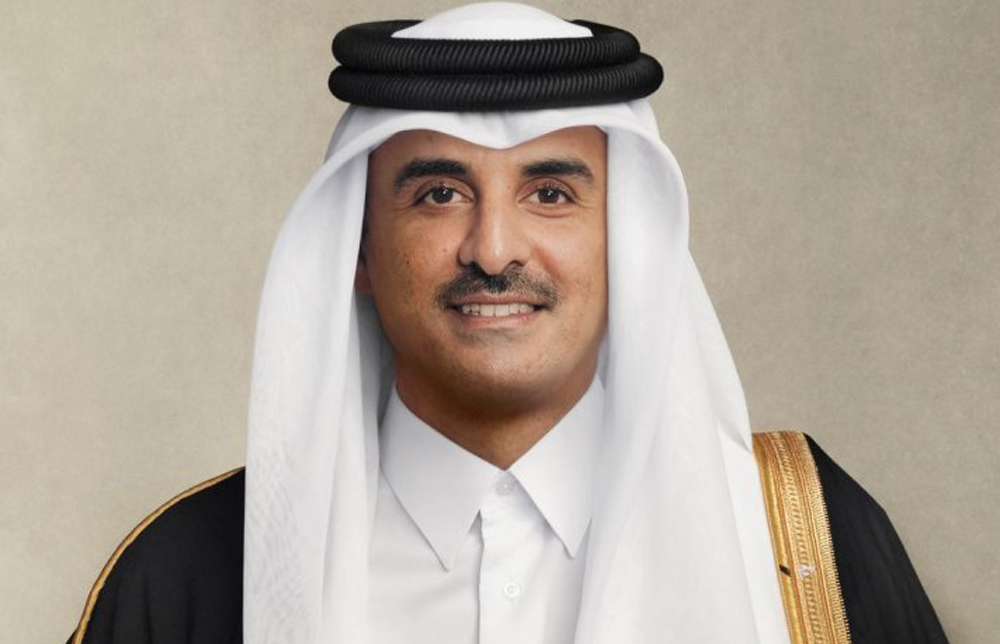

Doha, Qatar – In a significant diplomatic move, the Amir of Qatar, Sheikh Tamim bin Hamad Al Thani, spoke by telephone with Syrian President Bashar al-Assad on Friday. The conversation focused on strengthening Qatar Syria relations and coordinating on regional issues, signaling a potential shift in Qatar’s approach to the ongoing Syrian conflict. This contact represents a notable development given Qatar’s previous support for opposition groups in Syria.
The call, which took place on February 24, 2023, involved a review of bilateral ties and exploration of avenues for increased cooperation. Both leaders discussed matters of mutual concern, including the broader geopolitical landscape, and affirmed the importance of continued dialogue to promote stability in the region. The discussion comes amid a wider Arab effort to re-engage with the Assad government.
Strengthening Qatar Syria Relations: A Regional Context
Qatar had been a prominent supporter of groups opposing the Assad regime since the start of the Syrian Civil War in 2011. This support included both financial and logistical aid, aligning Qatar with countries like Saudi Arabia and Turkey. However, in recent years, there has been a noticeable change in the Arab world’s stance towards Syria, with several nations initiating steps towards normalization.
This shift is largely attributed to the evolving dynamics of the conflict, the diminishing prospects of a swift regime change, and a growing recognition of the need to address humanitarian concerns and counter-terrorism efforts within Syria. The devastating earthquake that struck Turkey and Syria earlier in February also prompted a wave of Arab assistance to Damascus, further accelerating the thaw in relations. Reuters reported on the increased outreach following the disaster.
Areas of Potential Cooperation
While specific details of the discussed cooperation remain undisclosed, potential areas include humanitarian aid, reconstruction efforts, and security coordination. Syria faces immense challenges in rebuilding its infrastructure and economy following years of war, and Qatar’s financial resources could play a crucial role in these endeavors. Al Jazeera noted the emphasis on joint cooperation in various fields.
Additionally, Qatar and Syria share concerns regarding regional security, particularly the presence of extremist groups. Enhanced intelligence sharing and collaboration on counter-terrorism initiatives could be mutually beneficial. The normalization of ties could also facilitate discussions on the fate of Syrian citizens who sought refuge in Qatar during the conflict.
The phone call follows a series of similar engagements by other Arab states with the Assad government. Saudi Arabia, for example, recently restored diplomatic relations with Syria after a decade-long rupture. This coordinated approach suggests a broader regional strategy aimed at reintegrating Syria into the Arab fold. The move is not without its critics, with some arguing that it legitimizes a regime accused of widespread human rights abuses. Human Rights Watch continues to document alleged abuses.
The implications of this developing relationship extend beyond bilateral ties. A more stable and integrated Syria could contribute to easing regional tensions and addressing shared challenges, such as the refugee crisis and the fight against terrorism. However, the success of this normalization process hinges on concrete steps towards political reconciliation and accountability for past atrocities. The ongoing political stalemate and the lack of a comprehensive peace agreement remain significant obstacles.
Looking ahead, it is anticipated that Qatar may take further steps to re-establish diplomatic representation in Syria, potentially reopening its embassy in Damascus. The timing and extent of these actions will likely depend on developments in the political arena and the implementation of confidence-building measures. Further announcements regarding potential aid packages or joint projects are also expected, though the specifics remain uncertain. The international community will be closely watching how Qatar balances its newfound engagement with Syria and its commitment to upholding human rights and international law.