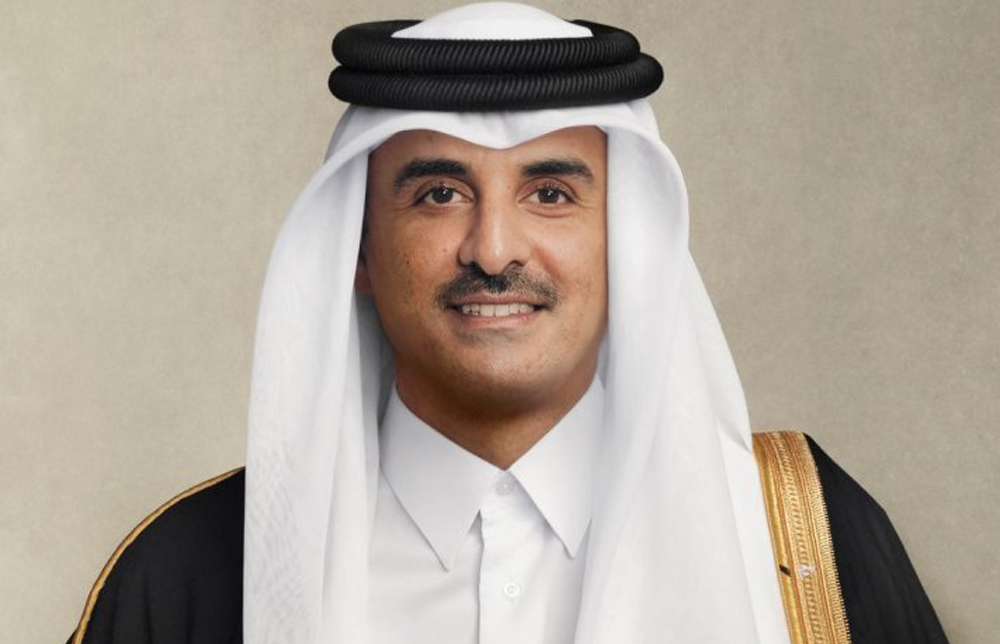

Doha, Qatar – His Highness Sheikh Tamim bin Hamad Al Thani, Amir of Qatar, and His Highness Sheikh Mohamed bin Zayed Al Nahyan, President of the United Arab Emirates, held a telephone conversation today, reinforcing the strengthening Qatar-UAE relations and discussing regional stability. The call, which took place on October 26, 2023, signals continued diplomatic engagement between the two Gulf nations following a period of strained ties. Discussions encompassed bilateral cooperation and current events impacting the wider Middle East.
The conversation occurred as both nations navigate complex geopolitical challenges, including ongoing conflicts and economic shifts. While details released by state media were limited, the exchange underscores a commitment to dialogue and de-escalation. This communication follows recent high-level meetings and represents a positive step in normalizing relations after a four-year diplomatic rift.
Strengthening Qatar-UAE Relations: A Focus on Regional Stability
The primary focus of the call, according to official statements, was a review of the fraternal ties between Qatar and the UAE. This includes exploring avenues for enhanced collaboration in areas such as trade, investment, and security. Both countries are key players in the Gulf Cooperation Council (GCC) and share common interests in maintaining regional peace and prosperity.
Recent History of Diplomatic Engagement
Relations between Qatar and the UAE, along with Saudi Arabia, Bahrain, and Egypt, were severed in June 2017 over accusations of Qatar supporting terrorism and interfering in regional affairs. Qatar consistently denied these charges. A breakthrough came in January 2021 with the AlUla agreement, which saw the lifting of the blockade and the restoration of diplomatic ties. However, full normalization has been a gradual process.
Since the AlUla agreement, both countries have taken steps to rebuild trust and cooperation. These include the resumption of air travel, the reopening of land borders, and increased economic activity. The recent phone call builds upon these positive developments, signaling a desire for deeper engagement.
Additionally, the leaders discussed the latest developments in the regional and international arenas. This likely included conversations about the ongoing conflict between Israel and Hamas, the situation in Yemen, and broader concerns regarding Iran’s nuclear program. Qatar and the UAE often coordinate their foreign policy positions on key issues, and this call provided an opportunity to align strategies.
The UAE has been actively pursuing a policy of de-escalation in the region, seeking to foster stability and economic growth. Qatar, meanwhile, has positioned itself as a mediator in various conflicts, leveraging its diplomatic channels to facilitate dialogue. These differing approaches, while sometimes contrasting, are ultimately aimed at achieving similar goals.
Experts suggest that improved bilateral ties between Qatar and the UAE are crucial for the overall stability of the GCC. A united front among the Gulf states is seen as essential for addressing shared challenges and promoting regional security. Furthermore, increased cooperation could unlock significant economic opportunities for both countries, boosting trade and investment flows.
The call also comes amidst increasing global economic uncertainty and shifting energy markets. Both Qatar and the UAE are major energy producers, and collaboration in this sector could help to stabilize prices and ensure energy security. Gulf cooperation is therefore vital in navigating these complex challenges.
Looking ahead, further high-level meetings and continued diplomatic engagement are expected. The timing and scope of these interactions remain uncertain, dependent on evolving regional dynamics and ongoing negotiations. Observers will be watching for concrete steps towards deeper economic integration and enhanced security cooperation between Qatar and the UAE in the coming months. The success of these efforts will be a key indicator of the long-term sustainability of the improved relationship.