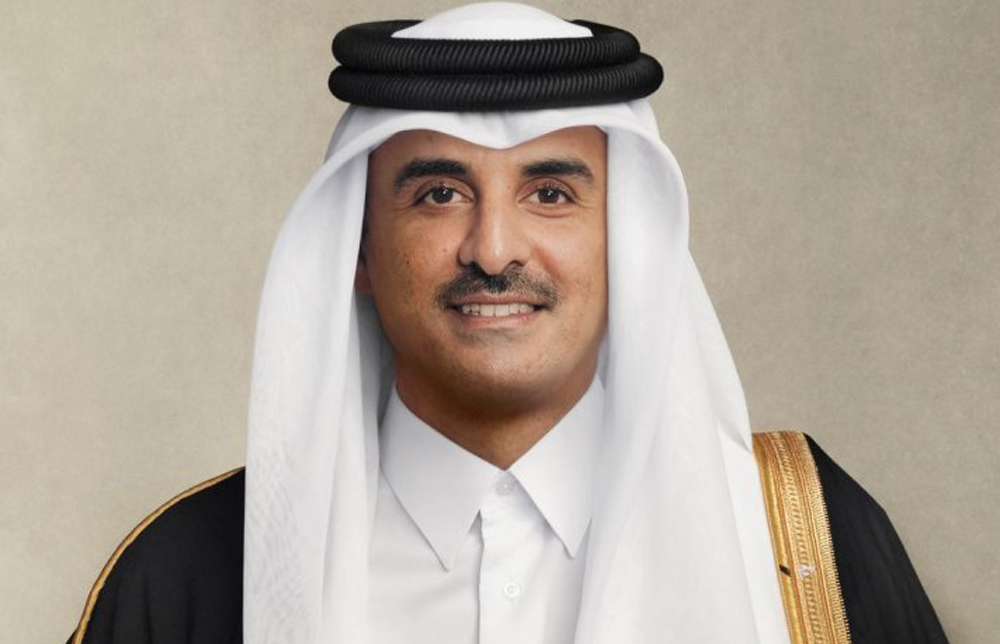

Doha, Qatar – His Highness Sheikh Tamim bin Hamad Al Thani, Amir of Qatar, has extended congratulations to José Antonio Kast following his victory in the recent Chilean presidential election. The congratulatory message, sent via cable, expressed wishes for Mr. Kast’s success in office and for the continued strengthening of bilateral ties between Qatar and Chile. The election results mark a significant shift in the political landscape of the South American nation.
The congratulations were delivered on January 21, 2024, according to the official Qatar News Agency (QNA). Mr. Kast, a conservative lawyer and former congressman, won the runoff election on December 19, 2023, defeating leftist Gabriel Boric. This follows a period of political uncertainty in Chile after a constitutional reform effort failed in September 2023.
Qatar and the Chilean Presidential Election: A Strengthening Partnership?
Qatar’s expression of support for the newly elected President Kast signals a continued interest in fostering relations with Chile. Diplomatic connections between the two countries have been growing in recent years, particularly regarding economic cooperation and investment. While historically focused on trade, Qatar has been exploring opportunities for increased involvement in Latin American infrastructure projects.
The Amir’s message specifically wished for the “progress and prosperity” of the relationship. This suggests Qatar sees potential for expanding collaboration beyond current areas. Recent years have seen a broader trend of Gulf states increasing diplomatic and economic engagement with Latin America, seeking to diversify partnerships and secure resources.
Chile’s Political Context
The 2023 election was closely watched internationally. It represented a turning point for Chile, which has been grappling with social and economic challenges in the wake of widespread protests in 2019. These protests initially focused on rising living costs but quickly broadened to encompass demands for greater social equality and a new constitution.
Mr. Kast campaigned on a platform of law and order, fiscal responsibility and a rejection of radical reforms. He pledged to address immigration concerns and reduce government spending. Conversely, Gabriel Boric advocated for significant social programs, a more progressive tax system, and environmental protections.
Implications for Qatar’s Regional Strategy
Qatar’s diplomatic outreach to Chile aligns with its broader strategy of maintaining positive relations with countries across the political spectrum. This approach is particularly important given the complex geopolitical landscape of Latin America, which includes a mix of left-leaning and right-leaning governments. The country has been actively pursuing foreign investment opportunities.
The change in leadership in Chile could present both opportunities and challenges for Qatar’s existing regional strategy. It is anticipated that Mr. Kast’s administration will prioritize economic growth and attract foreign capital. Qatar, with its substantial sovereign wealth fund, may be well-positioned to capitalize on these opportunities, focusing on areas such as infrastructure development and renewable energy. However, differing values on social and political issues could necessitate careful diplomatic navigation.
Meanwhile, the Qatar Investment Authority (QIA) continues to explore investments globally. It is common for incoming administrations to review existing investment agreements, which could introduce potential uncertainties in the short to medium term. Experts note that the details of any adjusted economic policy will be crucial.
In contrast to some neighboring countries in the Gulf, Qatar has often opted for dialogue and engagement over confrontation. This pragmatic approach has allowed it to maintain strong relationships with a wide range of states, even those with differing political ideologies. This consistency is likely to continue under the current leadership.
Looking ahead, the next steps will involve the formal inauguration of President Kast and the appointment of his cabinet. Observers will be closely watching for signals regarding his foreign policy priorities and his approach to economic relations. A key area to monitor will be the progress of any potential investment projects between Qatar and Chile, and any statements made by both governments regarding the future of their diplomatic relations. The timing and extent of these developments remain uncertain.