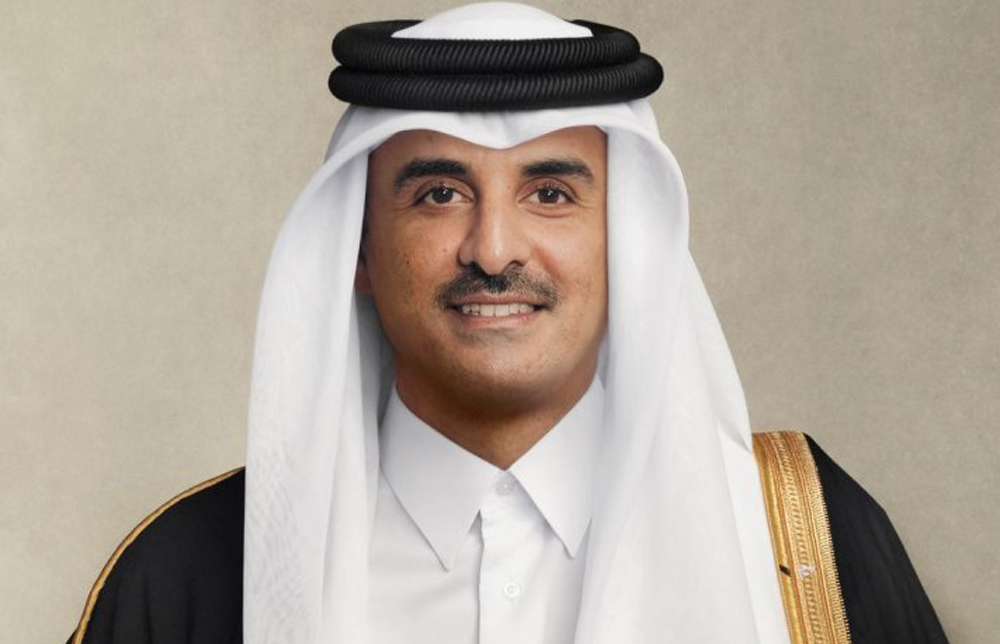

Qatar has extended congratulations to Sudan on its Independence Day, marked annually on January 1st. Amir H H Sheikh Tamim bin Hamad Al-Thani and Deputy Amir H H Sheikh Abdullah bin Hamad Al-Thani sent messages to Chairman of the Transitional Sovereignty Council of the Republic of the Sudan, Lt. Gen. Abdel Fattah Al Burhan, expressing their sincere wishes for continued progress and prosperity for Sudan and its people. This gesture underscores Qatar’s ongoing commitment to supporting stability in the region.
Prime Minister and Minister of Foreign Affairs H E Sheikh Mohammed bin Abdulrahman bin Jassim Al-Thani also conveyed greetings to Sudanese Prime Minister H E Dr. Kamil Al Tayeb Idris. The exchange of these diplomatic messages highlights the bilateral relationship between Doha and Khartoum, particularly as Sudan navigates a complex political transition. The timing of these congratulations is significant given the current geopolitical landscape in East Africa.
Qatar and Sudan: A History of Cooperation
Qatar and Sudan have maintained diplomatic relations for decades, with cooperation spanning various sectors including economic investment, humanitarian aid, and political dialogue. Qatar has historically played a mediating role in Sudanese conflicts, seeking to foster peaceful resolutions. According to the Qatari Ministry of Foreign Affairs, these efforts are rooted in a commitment to regional security and stability.
Recent Political Developments in Sudan
Sudan gained its independence from Anglo-Egyptian rule on January 1, 1956. However, the country has experienced periods of political instability, including multiple military coups. The most recent upheaval occurred in October 2021, when the military, led by Lt. Gen. Al Burhan, seized power, dissolving the civilian government. This action drew international condemnation and prompted calls for a return to civilian rule.
The current transitional period has been marked by ongoing negotiations between the military and civilian groups regarding the formation of a new government. These talks have faced numerous obstacles, including disagreements over power-sharing arrangements and the integration of the Rapid Support Forces (RSF) into the national army. The international community, including Qatar, continues to urge all parties to prioritize a peaceful and inclusive transition.
Qatar’s consistent diplomatic engagement with Sudan reflects its broader foreign policy objectives, which emphasize dialogue and mediation in resolving regional disputes. Additionally, Qatar has provided substantial humanitarian assistance to Sudan, addressing urgent needs related to food security, healthcare, and education. This aid is particularly crucial given the economic challenges facing Sudan, including high inflation and a shortage of essential goods.
However, the situation in Sudan remains fragile. The ongoing political deadlock and the presence of armed groups pose significant risks to the country’s stability. The potential for further conflict remains a concern, and the success of the transition hinges on the willingness of all stakeholders to compromise and prioritize the interests of the Sudanese people. The independence celebrations, while symbolic, occur against a backdrop of considerable uncertainty.
In contrast to some regional actors, Qatar has maintained a consistent approach of engagement with Sudan, even during periods of political turmoil. This strategy is seen by some analysts as a way to preserve Qatar’s influence and promote its interests in the region. The country’s economic ties with Sudan, while not as extensive as with some other nations, are also considered important.
Looking ahead, the next critical step for Sudan is the resumption of meaningful negotiations between the military and civilian groups. A clear timeline for the transfer of power to a civilian government is essential, as is the establishment of a credible electoral process. The international community will be closely monitoring developments in Sudan, and Qatar is expected to continue playing a supportive role in the transition process. The ultimate outcome of Sudan’s political journey remains uncertain, but the coming months will be pivotal in determining its future. Further developments regarding Sudan’s independence and political stability are anticipated in early 2024.
Qatar’s Ministry of Foreign Affairs provides further information on the country’s foreign policy.
Related keywords: Sudanese conflict, East Africa, diplomatic relations.