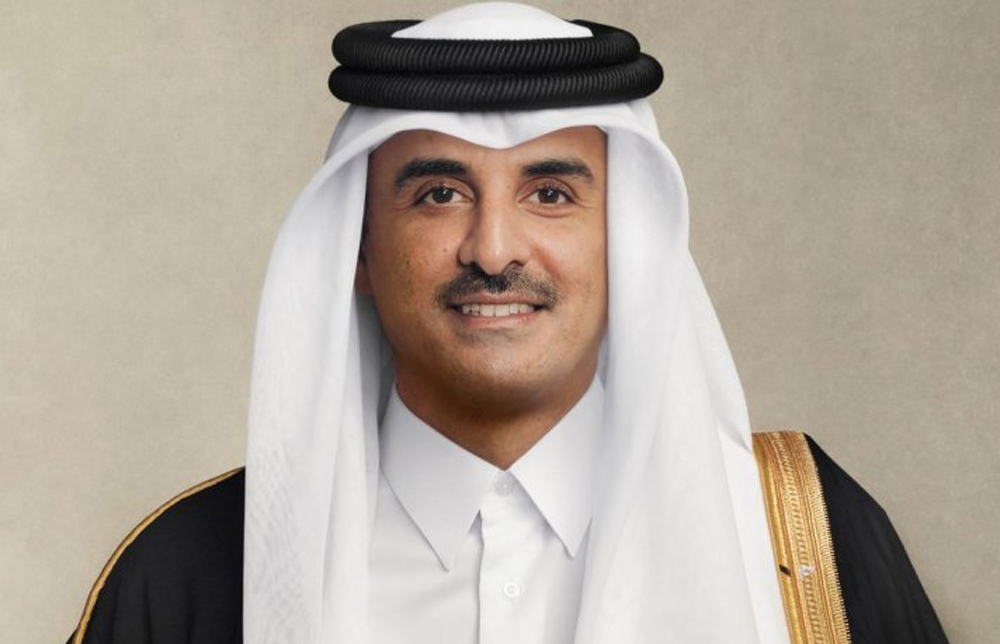

Doha, Qatar – In a series of appointments announced Tuesday, His Highness Sheikh Tamim bin Hamad Al-Thani, the Amir of Qatar, named four new ambassadors to key international posts. The decisions, formalized through Amiri Decrees 58-61 of 2025, signal Qatar’s continued focus on strengthening diplomatic ties across Asia and Africa. These appointments come as Qatar navigates an evolving geopolitical landscape and seeks to expand its influence on the global stage.
The newly appointed ambassadors are Abdulaziz Mohammed Khalifa Ahmed Al Sada to the Kingdom of Thailand, Hamad Salem Dhaen Al Sheikh Al Kuwari to the Democratic Republic of Congo, Mansour Abdulla Salem Saad Al Sulaitin to the Republic of Armenia, and Abdulaziz bin Ahmed bin Abdullah Al Maliki Al Juhani to the Republic of Singapore. The Amiri Decrees stipulate that the appointments are effective immediately and will be published in the official gazette.
Qatar Strengthens Diplomatic Corps with New Ambassador Appointments
These appointments reflect Qatar’s strategic priorities in fostering international cooperation and economic partnerships. The selection of ambassadors to Thailand and Singapore, both significant economic hubs, suggests a continued emphasis on trade and investment. Simultaneously, appointments to the Democratic Republic of Congo and Armenia indicate a broadening of Qatar’s diplomatic reach into regions with growing strategic importance.
Expanding Ties in Southeast Asia
The appointment of Abdulaziz Al Sada as ambassador to Thailand is particularly noteworthy given the increasing economic ties between the two nations. Qatar and Thailand have been working to enhance bilateral trade, particularly in the energy sector, and this appointment is expected to further facilitate these efforts. According to the Ministry of Commerce, trade volume between Qatar and Thailand has seen steady growth in recent years.
Similarly, the appointment of Abdulaziz Al Juhani to Singapore underscores Qatar’s commitment to strengthening its relationship with another key Southeast Asian nation. Singapore serves as a vital financial and logistical center, and Qatar has previously expressed interest in leveraging Singapore’s expertise in areas such as infrastructure development and technology. This appointment could also support Qatar’s broader investment strategy in the region.
Focus on African and Eastern European Relations
The appointment of Hamad Al Kuwari to the Democratic Republic of Congo represents a significant step in Qatar’s engagement with the African continent. The DRC is rich in natural resources, and Qatar has been exploring opportunities for investment in sectors such as mining and infrastructure. This diplomatic presence is expected to facilitate these ventures and promote greater economic cooperation.
Meanwhile, the appointment of Mansour Al Sulaitin to Armenia signals Qatar’s interest in fostering closer ties with the Eastern European nation. While diplomatic relations between Qatar and Armenia have been developing, this appointment provides a dedicated channel for strengthening political and economic dialogue. The move aligns with Qatar’s broader strategy of diversifying its international partnerships. Qatar’s foreign policy has increasingly focused on building relationships with a wider range of countries.
However, the specific objectives and timelines for these new ambassadors remain largely undefined. The Ministry of Foreign Affairs has not yet released detailed policy directives for each posting. Additionally, the ongoing geopolitical complexities in several of these regions, including the DRC, could present challenges to diplomatic efforts.
The Amiri Decrees were issued as part of a routine diplomatic reshuffle, according to sources within the government. These appointments are consistent with Qatar’s ongoing efforts to enhance its international standing and promote its national interests. The Ministry of Foreign Affairs is expected to provide further details regarding the ambassadors’ specific mandates and priorities in the coming weeks. The next step will be the formal presentation of credentials to the respective heads of state, a process that typically takes several weeks to complete.
Looking ahead, observers will be watching to see how these new ambassadors contribute to Qatar’s diplomatic and economic objectives in their respective countries. The success of these appointments will depend on navigating regional complexities and fostering strong relationships with local stakeholders. The evolving global political climate and potential shifts in international alliances will also play a crucial role in shaping the future of Qatar’s diplomatic engagements and foreign relations.