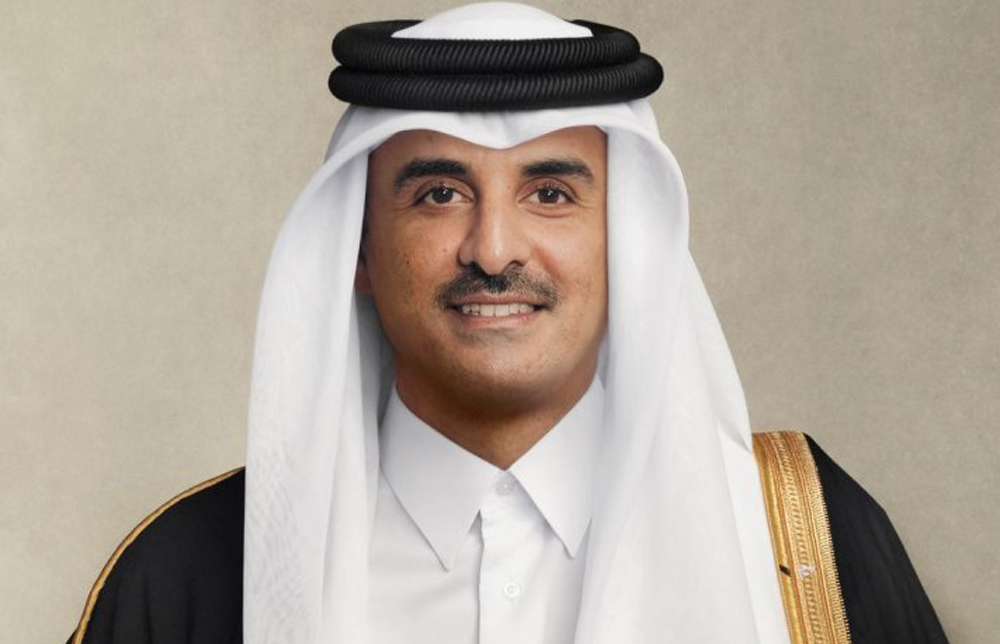

Doha, Qatar – In a move signaling continued diplomatic expansion, the Amir of Qatar, HH Sheikh Tamim bin Hamad Al-Thani, has appointed two new ambassadors. Mohammed Sultan Mohammed Abdul Latif Al-Kuwari will serve as the Qatar ambassador to Mexico, and Ahmed Turki Ahmed Al Turki Al Subaie will be the ambassador to the Republic of Mali, according to Amiri Decrees issued on January 22, 2026. These appointments reflect Qatar’s commitment to strengthening bilateral relations with nations across the Americas and Africa.
Both appointments are effective immediately and will be formally documented in the official gazette. The decrees, numbered 7 and 8 of 2026 respectively, were released by the Amiri Diwan, the administrative office of the Amir. This signifies a formalization of Qatar’s diplomatic presence in both Mexico and Mali, paving the way for increased cooperation and engagement.
Strengthening Qatar’s Diplomatic Ties
The selection of ambassadors to Mexico and Mali highlights Qatar’s strategic foreign policy objectives. Qatar has been actively diversifying its international partnerships, moving beyond traditional alliances to forge new relationships in emerging markets and regions of geopolitical importance. This is particularly evident in its growing engagement with Latin America and the Sahel region of Africa.
Historically, Qatar’s diplomatic efforts have focused on the Middle East, Europe, and North America. However, in recent years, the nation has increased its focus on South-South cooperation, seeking to build stronger ties with countries in the Global South. This shift is driven by economic diversification goals, as well as a desire to play a more prominent role in international affairs.
Mexico: A Growing Partnership
Relations between Qatar and Mexico have been steadily improving, particularly in the areas of energy and investment. QatarEnergy has expressed interest in potential partnerships with Mexico’s state-owned oil company, Pemex, according to reports from the energy sector. The appointment of a dedicated ambassador is expected to facilitate these discussions and explore further opportunities for collaboration.
Additionally, Qatar has been seeking to increase its cultural and educational exchange with Mexico. The establishment of a formal embassy with an ambassador will streamline these initiatives and promote greater understanding between the two nations. Trade volume between the two countries, while currently modest, is also anticipated to grow with enhanced diplomatic representation.
Mali: Navigating a Complex Landscape
The appointment of an ambassador to Mali comes at a critical juncture for the West African nation. Mali has been facing significant political and security challenges in recent years, including a military coup in 2020 and ongoing conflicts with extremist groups. Qatar has historically provided humanitarian aid and development assistance to Mali, and the new ambassador will likely focus on expanding these efforts.
However, the political situation in Mali remains fluid. The country’s transition to civilian rule has been delayed, and the government is currently under international pressure to restore democratic institutions. The ambassador’s role will be to navigate this complex landscape and maintain Qatar’s constructive engagement with Mali, focusing on stability and development. The appointment also reflects Qatar’s broader interest in regional security within the Sahel.
The Ministry of Foreign Affairs has not yet released detailed information regarding the specific priorities for the new ambassadors. However, it is expected that both Al-Kuwari and Al Subaie will work to strengthen bilateral relations, promote economic cooperation, and enhance Qatar’s overall diplomatic presence in their respective regions. This move aligns with Qatar’s national vision of becoming a key player in international diplomacy and a hub for global cooperation.
The next step involves the formal presentation of credentials to the heads of state in Mexico and Mali. The timing of these presentations will depend on diplomatic protocols and the availability of the respective leaders. Observers will be watching to see how these appointments translate into concrete initiatives and whether they lead to increased trade, investment, and cultural exchange between Qatar and both nations. The evolving geopolitical situations in both regions will also be a key factor in shaping the future of these diplomatic relationships.