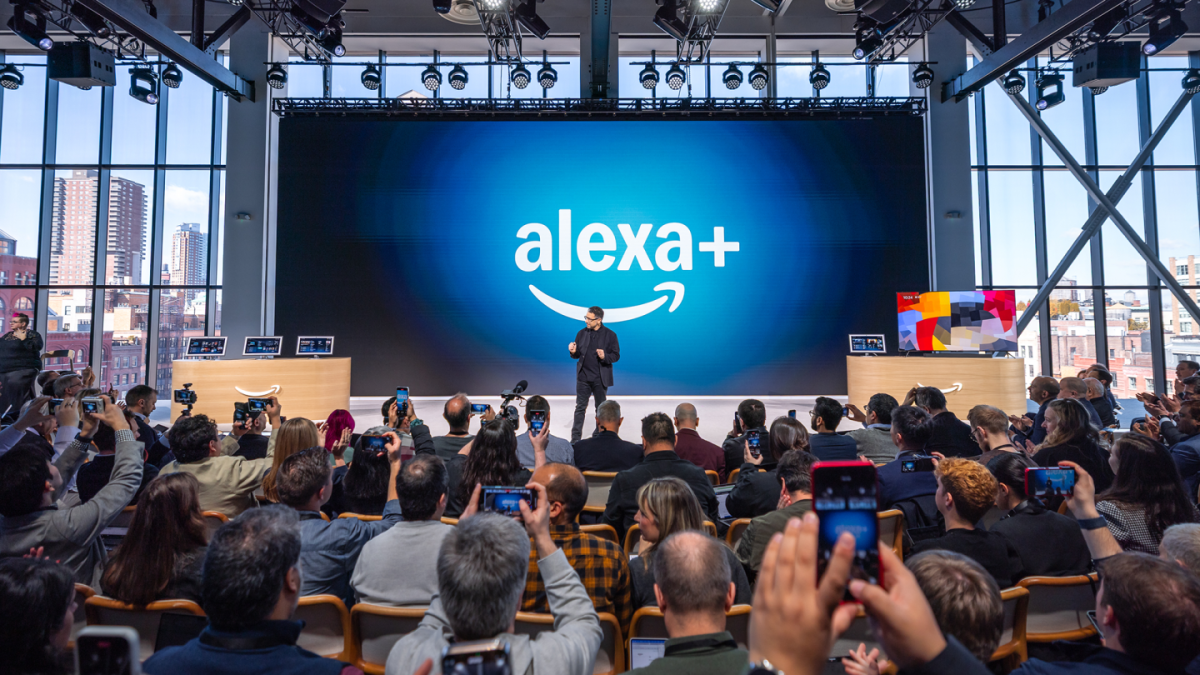

Amazon is betting big on its existing device ecosystem and brand recognition to compete in the rapidly evolving artificial intelligence market. The company showcased its plans for Alexa, particularly the upgraded Alexa+, at the Consumer Electronics Show (CES) in Las Vegas last week, emphasizing its potential to become a foundational AI assistant. This push comes as competition intensifies from rivals like Apple, Google, and OpenAI.
Amazon executives revealed that the company has sold over 600 million devices capable of supporting Alexa+, with 97% of all devices ever shipped being compatible. Tens of millions of customers have already opted in to upgrade to the new AI assistant, which offers more natural voices and AI-powered task completion. The rollout is currently focused on Prime members, with a wider release date yet to be announced.
Amazon’s Strategy for Alexa Dominance
Amazon’s approach to AI differs from some competitors by leveraging its established presence in consumers’ homes. Daniel Rausch, VP of Alexa and Echo, believes this existing footprint provides a significant advantage. He suggests Alexa will be one of a few “nameable, foundational AIs” alongside more specialized options.
The Power of Familiarity and Ambient Computing
Rausch highlighted the familiarity customers already have with Alexa and its voice-first interface. This ambient availability, he argues, positions Alexa for continued growth. Additionally, Amazon is actively expanding Alexa’s reach beyond its Echo devices through integrations with partners like Samsung, BMW, and Oura.
Alexa+ and the Generative AI Landscape
Alexa+ represents Amazon’s foray into generative AI, offering capabilities similar to other advanced AI assistants. These include access to extensive world knowledge and the ability to perform complex tasks, such as booking transportation or ordering food. The company announced a redesigned Alexa app and web access to further enhance user experience. The development of artificial intelligence is a key focus for Amazon.
However, Amazon faces a competitive landscape. Apple recently announced a partnership with Google’s Gemini to improve Siri, while other AI chatbots like ChatGPT and Claude are gaining traction across diverse applications. The success of Alexa+ will depend on demonstrating tangible value to users beyond its existing functionality.
Expanding the Alexa Ecosystem
Amazon’s recent acquisition of Bee, an AI wearable that records conversations and provides insights, signals a broader strategy. The company envisions integrating Bee with Alexa in the future, but also recognizes its value as a standalone product. Bee offers a unique conversational AI experience, accessible through both text and voice.
Meanwhile, Amazon is working to make Alexa more accessible across different platforms. The new Alexa app features a chatbot-style interface, mirroring the experience offered by competitors. This move aims to attract users who prefer text-based interactions with AI assistants. The integration of voice technology is central to Amazon’s plans.
In contrast to some competitors focusing on specific niches, Amazon is aiming for a broad, general-purpose AI assistant. This strategy relies on the scale of its existing user base and the versatility of the Alexa platform. The company is also investing in improving the underlying AI models to enhance Alexa’s capabilities.
The company’s focus on Prime members for early access to Alexa+ suggests a strategy of rewarding loyalty and gathering feedback from a dedicated user base. This phased rollout allows Amazon to refine the AI assistant before making it available to the wider public. The development of machine learning algorithms is crucial to this process.
Looking ahead, the next key step for Amazon is the full rollout of Alexa+ to all users. The timeline for this remains uncertain, but the company is expected to provide more details in the coming months. Analysts will be watching closely to see how quickly users adopt the new AI assistant and whether it can effectively compete with rivals in the increasingly crowded AI market. The ultimate success of Alexa+ will depend on its ability to deliver a compelling and useful experience to millions of users.