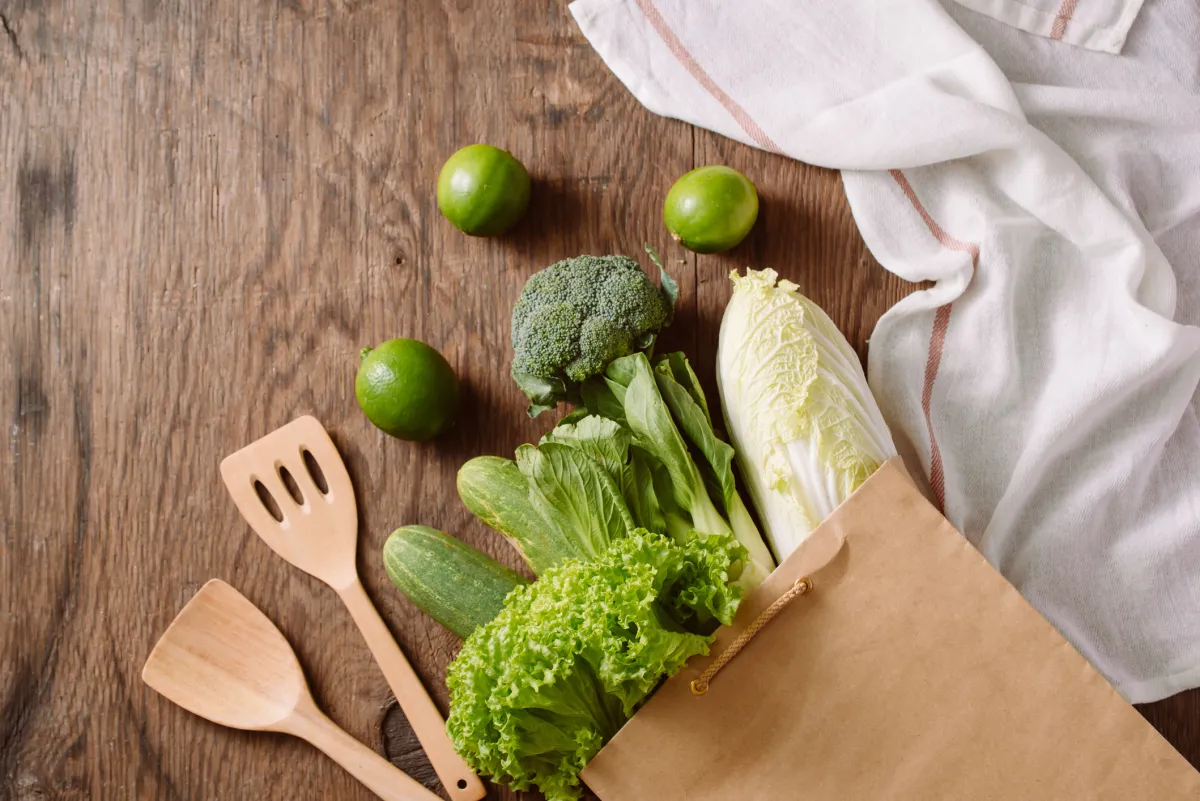

Amazon has significantly expanded its same-day delivery service to include fresh groceries in over 2,300 U.S. cities and towns, the company announced Wednesday. This move broadens access to convenient grocery shopping and directly challenges established players in the quick-commerce sector. Amazon plans to continue this rollout, with further expansion anticipated by 2026.
The expansion builds upon the initial launch of perishable grocery delivery in August, and represents a substantial investment in Amazon’s logistics network. The service is currently available to Prime members and non-members, with varying fees depending on membership status and order total. This latest development underscores Amazon’s commitment to becoming a dominant force in the grocery market.
Amazon Accelerates Same-Day Delivery with Grocery Focus
Amazon’s decision to prioritize same-day delivery of groceries is driven by rapidly increasing customer demand. The company reports a 30-fold increase in perishable grocery sales since January, indicating a strong appetite for this service. Nine of the top ten most-ordered items for fast delivery are now fresh grocery products, demonstrating a shift in consumer behavior.
This expansion isn’t happening in a vacuum. The quick-commerce landscape has become increasingly competitive, with companies like Instacart and Walmart+ already offering similar services. Amazon’s established infrastructure and Prime membership base give it a significant advantage in scaling this offering nationally.
Ensuring Freshness and Quality
Delivering fresh produce and other perishables requires a robust and reliable system. Amazon states it utilizes a “specialized temperature-controlled fulfillment network” to maintain product integrity during transit. Furthermore, all grocery orders undergo a six-point quality check both upon arrival at the fulfillment center and before being dispatched for delivery.
To further ensure quality, temperature-sensitive items are transported in insulated bags. This attention to detail is crucial for building customer trust and encouraging repeat purchases. Maintaining freshness is a key differentiator in the competitive grocery delivery market.
Popular Grocery Items Driving Demand
The data reveals specific grocery items that are particularly popular with same-day delivery customers. Bananas, Haas avocados, strawberries, and honeycrisp apples consistently rank among the top sellers. Other frequently ordered items include limes, blueberries, blackberries, organic bananas, navel oranges, and even household staples like bathroom tissue.
This mix of produce and essential goods suggests customers are using the service for both planned grocery shopping and immediate needs. The convenience of receiving these items quickly is clearly a major draw. The inclusion of non-food items in the same delivery also adds value for consumers.
Cost and Accessibility of the Service
Amazon Prime members benefit from free same-day delivery on orders exceeding $25. For orders below that threshold, a $2.99 delivery fee applies. Customers without a Prime membership can access the service for a flat fee of $12.99 per order, regardless of the total.
These pricing tiers incentivize Prime membership while still providing an option for non-members to utilize the service. The $25 minimum for free delivery is a common practice among grocery delivery services, balancing convenience with profitability. The availability of the service to both members and non-members expands Amazon’s reach.
Additionally, Amazon has increased its perishable grocery selection by over 30% since the initial August launch. This expanded inventory now includes thousands of items sourced from Whole Foods Market, a subsidiary of Amazon. This integration provides customers with access to a wider range of organic and specialty products.
The growth of Amazon’s grocery delivery service also impacts the broader retail landscape. Traditional grocery stores are facing increased pressure to offer their own delivery options and compete on convenience. This competition ultimately benefits consumers through lower prices and greater choice. The rise of online grocery shopping is a significant trend in the retail industry, and Amazon is positioned to capitalize on it.
Looking ahead, Amazon will continue to expand the geographic availability of its same-day delivery service, aiming to reach even more customers by 2026. The company will likely focus on optimizing its fulfillment network and expanding its grocery selection to meet evolving consumer demands. Further integration with Whole Foods Market and potential partnerships with other grocery retailers are also possibilities. The success of this expansion will depend on Amazon’s ability to maintain product quality, manage delivery logistics efficiently, and offer competitive pricing.