


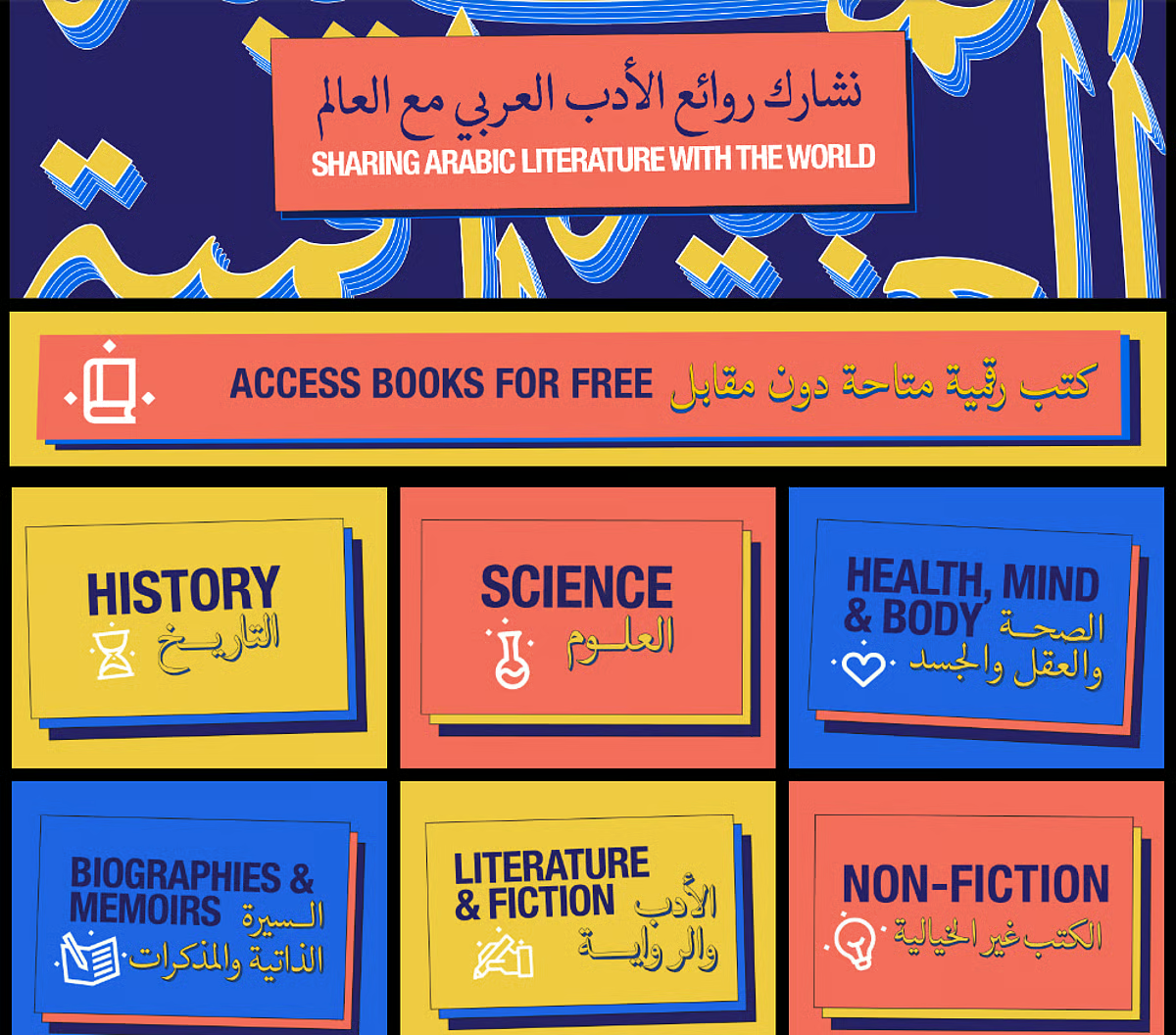

Amazon has launched a dedicated Digital Arabic Library, offering thousands of Arabic Kindle eBooks and Audible audiobooks to readers worldwide. The new platform, announced October 20, 2025, aims to increase access to Arabic literature and support publishers in the Middle East and North Africa (MENA) region. This initiative responds to growing demand for digital content in Arabic and seeks to bridge the gap between Arabic-speaking readers and a wider selection of books.
The library is currently available through Amazon’s existing Kindle and Audible stores, with a dedicated storefront featuring culturally relevant design elements. According to Amazon, the platform will initially focus on popular genres like fiction, non-fiction, and children’s books, with plans to expand into specialized areas. The launch represents a significant investment in the Arabic publishing ecosystem.
A User-Friendly Experience for Arabic Readers
Amazon prioritized a seamless and intuitive browsing experience for the Digital Arabic Library. The storefront incorporates vibrant colors and traditional Arabic calligraphy, reflecting the region’s rich cultural heritage. This design choice aims to create a welcoming and engaging environment for readers.
Customer reviews and ratings are prominently displayed, assisting readers in discovering new authors and titles. The platform consolidates both classic Arabic works and contemporary publications, providing a comprehensive collection in one location. Ronaldo Mouchawar, Vice President of Amazon Middle East, Africa and Turkey, stated the platform delivers a “seamless experience” for discovering Arabic content.
Supporting Regional Publishers in the Digital Age
The Digital Arabic Library extends beyond simply providing access to books; it actively supports publishers throughout the MENA region. The initiative offers tools and resources to help these publishers navigate the complexities of digital publishing and distribution.
This support includes assistance with eBook formatting, metadata optimization, and marketing strategies. By providing access to Amazon’s global customer base, the platform aims to increase the reach and revenue potential of Arabic publishers. Additionally, the platform acknowledges the growing popularity of audiobooks, offering a substantial catalog through Audible.
The Rise of Digital Publishing in the Arab World
Digital publishing in the Arab world has been experiencing steady growth, driven by increased internet penetration and smartphone usage. However, challenges remain, including limited availability of Arabic eBooks, concerns about copyright protection, and the need for greater digital literacy among publishers. This new library directly addresses the availability issue.
Expanding Arabic Literature’s Global Reach
The Abu Dhabi Arabic Language Centre is partnering with Amazon to significantly expand the library’s collection over the next three years. This collaboration will involve working directly with publishers to digitize and make available a wider range of Arabic titles. Amazon will then actively promote these titles to its millions of readers worldwide.
Dr. Ali bin Tamim emphasized the cultural significance of the project, stating it will create “new and innovative channels” for accessing Arabic cultural content. The initiative is expected to foster a greater appreciation for Arabic literature and culture on a global scale. The project also aims to encourage more Arabic authors to publish their work digitally, increasing the diversity of available content.
The success of the Digital Arabic Library will likely depend on continued collaboration between Amazon, publishers, and cultural organizations. Monitoring the growth of the eBook and audiobook catalog, as well as reader engagement, will be crucial. Future developments may include the introduction of Arabic language learning resources and the integration of new technologies, such as artificial intelligence, to enhance the discovery experience for Arabic language content. The long-term impact on the Arabic publishing industry and the promotion of Arabic literature remains to be seen, but the initial response suggests a positive trajectory.
Looking ahead, the next phase involves the ongoing digitization of books and the implementation of Amazon’s promotional strategies. The Abu Dhabi Arabic Language Centre’s three-year plan will be a key indicator of the library’s expansion, and industry analysts will be watching to see how the platform impacts both regional publishers and the global market for Arabic literature. The availability of data on sales and readership will be essential for evaluating the initiative’s effectiveness.