The AlUla Development Company (UDC), a key entity backed by Saudi Arabia’s Public Investment Fund (PIF), has appointed John Pagano as its new Managing Director. This leadership change comes as AlUla continues its ambitious transformation into a global tourism destination, focusing on sustainable development and the preservation of its unique heritage. Pagano’s appointment signals a continued commitment to the long-term vision for AlUla and its economic diversification.
Pagano, who officially assumes the role following board approval, will be responsible for guiding the next phase of growth for the region. The appointment was announced this week and follows a structured handover from his predecessor, Fabien Toscano. AlUla, located in northwestern Saudi Arabia, is rapidly gaining recognition for its archaeological sites and stunning natural landscapes.
John Pagano to Lead AlUla’s Development
Pagano brings extensive experience in large-scale project delivery and a strong background in regenerative tourism, a concept gaining prominence in the travel industry. He currently serves as Group CEO of Red Sea Global, the developer behind the luxury tourism projects The Red Sea and AMAALA, both also PIF portfolio companies. This existing relationship with the fund is expected to streamline collaboration and accelerate development initiatives.
A Proven Track Record
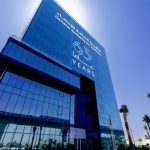
Prior to his role at Red Sea Global, Pagano held leadership positions at King Abdullah Financial District (KAFD), also a PIF company, serving as Managing Director and Board Member. His diverse experience across multiple significant Saudi development projects demonstrates a capacity for managing complex undertakings. This background is particularly relevant as AlUla navigates its own ambitious growth plans.
The UDC acknowledged the contributions of outgoing Managing Director Fabien Toscano, who oversaw the company’s initial growth and secured key partnerships. Under Toscano’s leadership, UDC established a robust pipeline of hospitality and residential projects designed to attract both tourists and investors. The transition is described as a planned succession, ensuring continuity in the ongoing projects.
The focus on regenerative tourism is a critical element of AlUla’s development strategy. This approach aims to create tourism experiences that actively contribute to the environmental and social well-being of the destination. It differs from traditional sustainable tourism by seeking to actively *improve* the environment and local communities, rather than simply minimizing negative impacts. This aligns with Saudi Arabia’s broader Vision 2030, which prioritizes diversification and sustainability.
AlUla’s development is part of a larger effort by Saudi Arabia to reduce its reliance on oil revenue and attract foreign investment. The country is investing heavily in tourism infrastructure and promoting its cultural and historical sites to a global audience. The region’s unique position as a crossroads of ancient civilizations, including the Nabataean kingdom responsible for Petra, is a key draw for cultural tourism.
The appointment of Pagano is expected to reinforce UDC’s commitment to responsible development and enhance its ability to attract further investment. The company will likely continue to prioritize partnerships with international brands and experts in hospitality, conservation, and cultural preservation. The success of similar projects, like NEOM, will be closely watched as benchmarks for AlUla’s progress.
Looking ahead, Pagano will be tasked with overseeing the implementation of AlUla’s master plan and ensuring the timely delivery of key projects. The next phase of development will likely focus on expanding accommodation options, enhancing visitor experiences, and strengthening the region’s infrastructure. The ongoing archaeological research and conservation efforts will also remain a priority, as these are central to AlUla’s appeal. The timeline for completion of major infrastructure projects remains fluid, dependent on funding and logistical considerations.