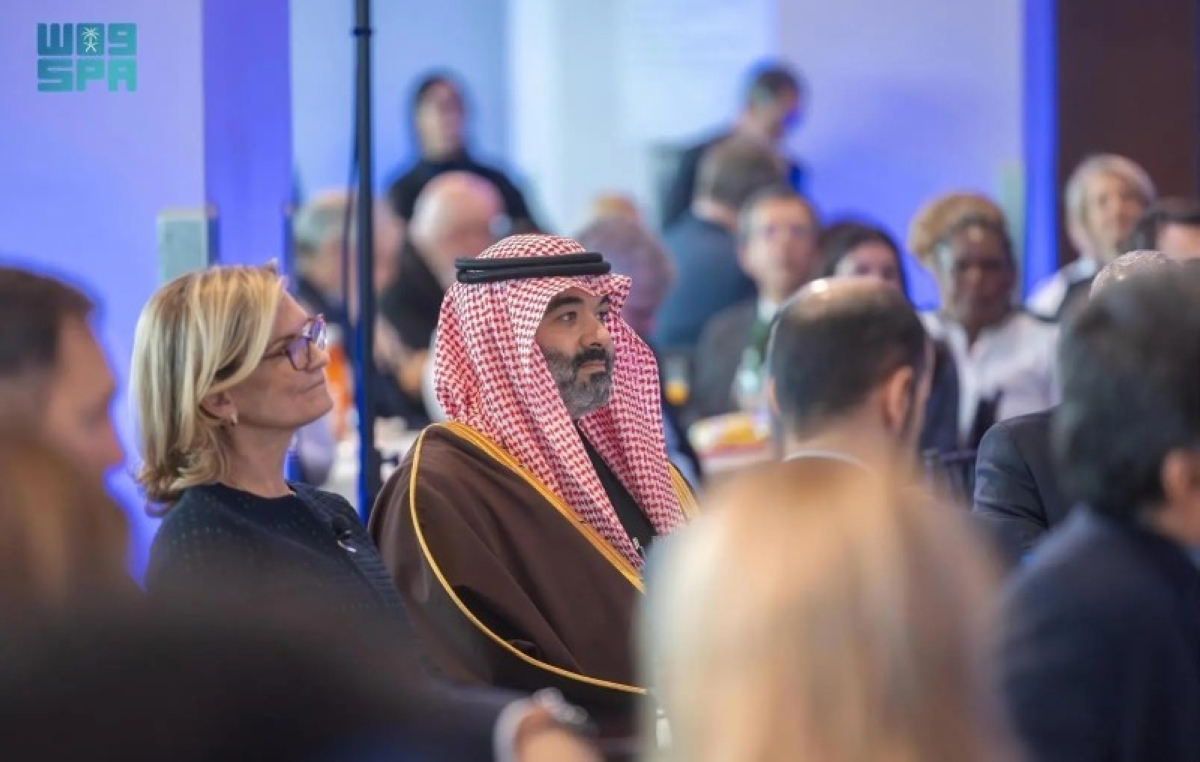

RIYADH — Saudi Arabia is accelerating its digital transformation efforts, with a focus on international collaboration and building skills for the age of artificial intelligence. Minister of Communications and Information Technology Abdullah Alswaha emphasized this commitment while participating in a digital event held on the sidelines of the United Nations General Assembly high-level meeting in Riyadh on Monday. The event centered on reviewing progress made in implementing the outcomes of the World Summit on the Information Society (WSIS).
The meeting, which took place on September 18th, brought together global leaders to discuss advancements in information and communication technologies. Alswaha’s attendance and subsequent meetings underscore Saudi Arabia’s growing role in shaping the global digital landscape. Discussions centered on bridging the digital divide and fostering inclusive growth through technology.
Accelerating Digital Transformation in Saudi Arabia
Saudi Arabia has made significant strides in recent years to diversify its economy and reduce its reliance on oil, with digital transformation playing a central role in this Vision 2030 initiative. The Kingdom has invested heavily in infrastructure, including 5G networks and data centers, to support the growth of its digital economy. According to the ministry, these investments are intended to attract foreign investment and create new job opportunities.
International Cooperation and Digital Inclusion
A key theme of the Riyadh event was the importance of international cooperation in achieving digital inclusion. Alswaha met with Doreen Bogdan-Martin, Secretary General of the International Telecommunication Union (ITU), and several other ministers and digital economy leaders. These discussions focused on strategies to ensure that the benefits of technology are accessible to all, regardless of location or socioeconomic status.
The ITU plays a crucial role in coordinating global efforts to improve access to information and communication technologies. The organization’s work aligns with Saudi Arabia’s own goals of promoting digital literacy and providing affordable internet access to its citizens. The ministry stated that collaboration with the ITU is vital for achieving these objectives.
Building AI Capabilities
Another significant focus of the meetings was the development of capabilities in artificial intelligence (AI). Recognizing the transformative potential of AI, Saudi Arabia is investing in research and development, as well as education and training programs. The goal is to position the Kingdom as a leader in the development and deployment of AI technologies.
However, the rapid advancement of AI also presents challenges, including ethical considerations and the need for a skilled workforce. Discussions at the event explored ways to address these challenges and ensure that AI is used responsibly and for the benefit of all. The development of a robust regulatory framework for AI is also under consideration.
The Kingdom’s focus on AI aligns with a global trend of increasing investment in this field. Many countries are recognizing the potential of AI to drive economic growth and improve the quality of life. The Saudi government views AI as a key enabler of its Vision 2030 goals, particularly in areas such as healthcare, education, and transportation.
Meanwhile, the event also highlighted the importance of cybersecurity in the digital age. As more and more aspects of life become connected, protecting digital infrastructure and data from cyber threats is becoming increasingly critical. Saudi Arabia has been strengthening its cybersecurity capabilities in recent years, and the discussions in Riyadh emphasized the need for continued vigilance and collaboration.
In contrast to previous years, this year’s WSIS implementation review placed a greater emphasis on practical applications and measurable outcomes. Participants focused on identifying concrete steps that can be taken to accelerate progress towards the Sustainable Development Goals (SDGs) through the use of information and communication technologies. The report indicates that a key takeaway was the need for greater public-private partnerships to drive innovation and investment.
Additionally, the event served as a platform for sharing best practices and lessons learned from different countries. Participants exchanged ideas on how to overcome challenges and accelerate the adoption of digital technologies. This exchange of knowledge is seen as crucial for fostering a more inclusive and sustainable digital future.
Looking ahead, Saudi Arabia is expected to continue to prioritize digital transformation and international collaboration. The ministry has not yet announced specific timelines for the implementation of new initiatives discussed at the event. However, the Kingdom’s commitment to achieving its Vision 2030 goals suggests that further investments in digital infrastructure and AI are likely. The ongoing development of the National Strategy for Data and AI will be a key indicator of future direction, and its finalization is anticipated in the coming months. Monitoring the Kingdom’s progress in bridging the digital divide and fostering a thriving digital economy will be crucial in assessing the long-term impact of these efforts.