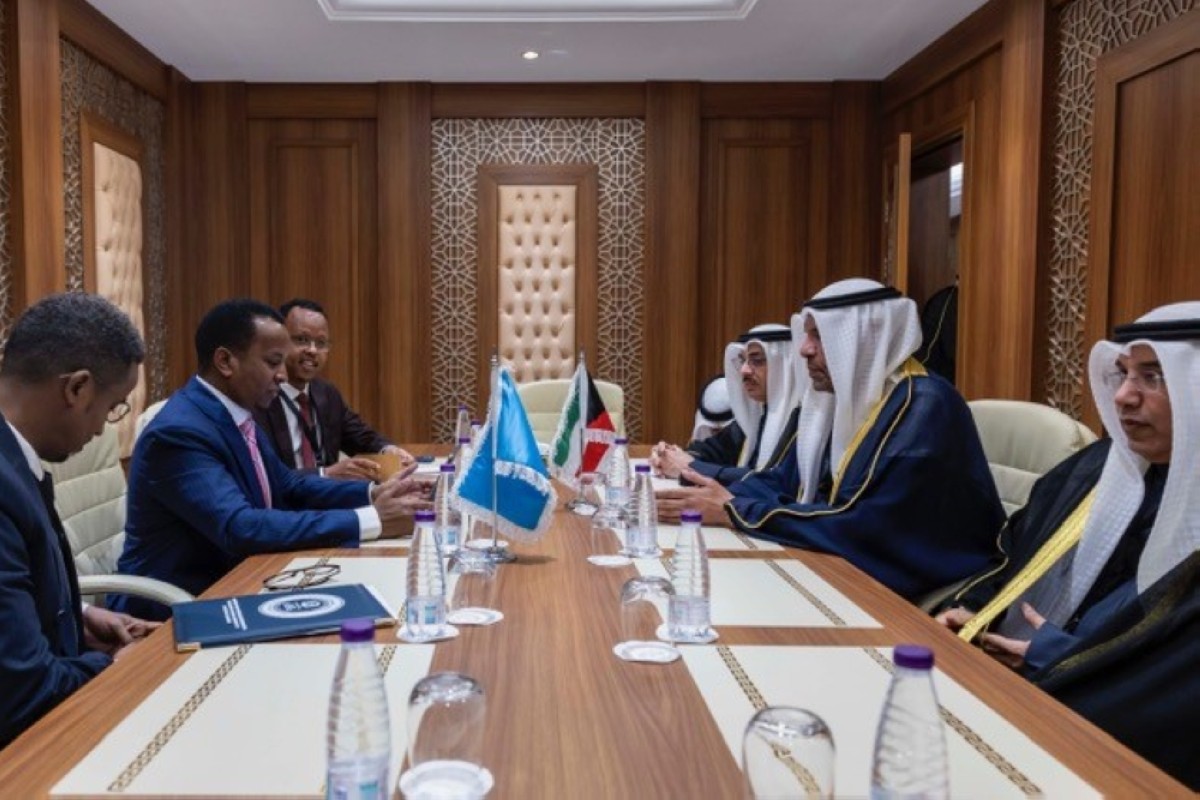

Kuwait strengthens diplomatic ties with Somalia, Palestine, and Egypt amidst regional concerns, emphasizing the need for collaboration and stability. These discussions, spearheaded by Kuwaiti Foreign Minister Abdullah Al-Yahya, took place on the sidelines of the recent Organization of Islamic Cooperation (OIC) meeting in Jeddah, Saudi Arabia, and address a complex landscape marked by emerging geopolitical challenges. The meetings highlight Kuwait’s proactive role in fostering regional unity and addressing concerns surrounding sovereignty and territorial integrity.
Focus on Regional Stability: Kuwait’s Bilateral Talks
Kuwait’s Foreign Minister, Abdullah Al-Yahya, engaged in a series of crucial bilateral talks with officials from Somalia, Palestine, and Egypt during the 22nd extraordinary session of the OIC Council of Foreign Ministers in Jeddah. The overarching theme of these meetings centered on reinforcing bilateral relations, proactively addressing regional stability, and identifying avenues for increased cooperation on issues impacting all parties. Al-Yahya’s leadership of the Kuwaiti delegation signaled Kuwait’s commitment to the OIC’s objectives and its dedication to navigating the difficult issues facing the Islamic world.
Addressing the Somaliland Recognition & Somali Sovereignty
A significant point of contention driving the discussions was the recent decision by certain entities (referred to as the “Zionist entity” in source material, which is maintained for accuracy) to recognize Somaliland as an independent state. Somaliland declared independence in 1991, but lacks international recognition, including from the United Nations. This move has been widely condemned as a violation of Somalia’s sovereignty and a potential destabilizing factor in the Horn of Africa.
Kuwait and Somalia Condemn the Recognition
During his meeting with Somali Foreign Minister Abdulsalam Abdi Ali, Al-Yahya unequivocally condemned the recognition of Somaliland. Both ministers voiced their agreement that the announcement constituted “a flagrant violation of Somalia’s sovereignty and territorial integrity” and disregarded international law, including the principles enshrined in the United Nations Charter.
The situation is further complicated by allegations, publicly stated by Somalia’s Defense Minister Ahmed Moalim Fiqi, that the recognizing entity is considering the forced transfer of Palestinians to Somaliland. While officials from that state deny these claims, the concerns underscore the fragility of the region and the potential for exploitation of vulnerable populations. Al-Yahya and Ali emphasized the importance of continued consultations within the OIC and broader international forums to uphold international legality and protect the unity of nations. Strengthening regional security remains a pressing concern.
Strengthening Ties with Palestine and Egypt
Beyond Somalia, Al-Yahya’s meetings focused on bolstering ties with Palestine and Egypt, two key partners for Kuwait in the Middle East and North Africa. The discussions acknowledged existing strong relationships while exploring new opportunities for strategic cooperation.
Kuwait’s Support for Palestine
The meeting with Palestinian Foreign Minister and Expatriates Affairs Minister Varsen Aghabekian Shaheen reaffirmed Kuwait’s unwavering support for the Palestinian cause. The ministers reviewed existing bilateral relations and examined potential areas for increased collaboration, particularly in strategic sectors. They also exchanged perspectives on current challenges facing the Palestinian people and reiterated their commitment to a just and lasting resolution to the Israeli-Palestinian conflict.
Deepening Diplomatic and Developmental Partnerships with Egypt
The conversation with Egyptian Minister of Foreign Affairs, Emigration and Egyptian Expatriates Dr Badr Abdel-Atty concentrated on expanding the robust relationship between Kuwait and Egypt. The ministers discussed enhancing strategic cooperation across various sectors, aiming to deepen diplomatic and developmental partnerships. Egypt’s role is vital for regional stability, particularly as it navigates its own internal and external challenges.
The Importance of the OIC Platform
These bilateral discussions all occurred within the context of the OIC’s extraordinary session. The OIC, as a collective voice of the Islamic world, played a critical role in unifying condemnation of actions perceived to undermine the sovereignty of member states. The platform provided a crucial space for dialogue and coordination, allowing Kuwait to engage directly with key stakeholders and advocate for solutions that promote regional stability. The session reaffirmed broad support for Somalia and a commitment to respecting its territorial integrity, explicitly condemning unilateral recognition of breakaway regions.
The OIC’s stance sends a strong message regarding the non-acceptance of actions that could further exacerbate existing tensions or create new conflicts within the Islamic world.
Looking Ahead: Collaborative Efforts for a Stable Region
Kuwait’s recent diplomatic push demonstrates its commitment to fostering collaboration and safeguarding regional stability in the face of emerging challenges. The meetings with Somalia, Palestine, and Egypt weren’t isolated events but rather part of a broader strategy to actively engage with key partners and work towards solutions that respect international law and uphold the sovereignty of nations. The outcomes of these discussions will likely inform Kuwait’s future diplomatic initiatives and strengthen its position as a proactive mediator in the region.
Continued dialogue and coordinated action, particularly through platforms like the OIC, will be essential in navigating this complex geopolitical landscape and ensuring a more peaceful and prosperous future for all. Readers interested in learning more about the OIC’s work regarding regional conflict resolution can visit their official website for detailed reports and statements.