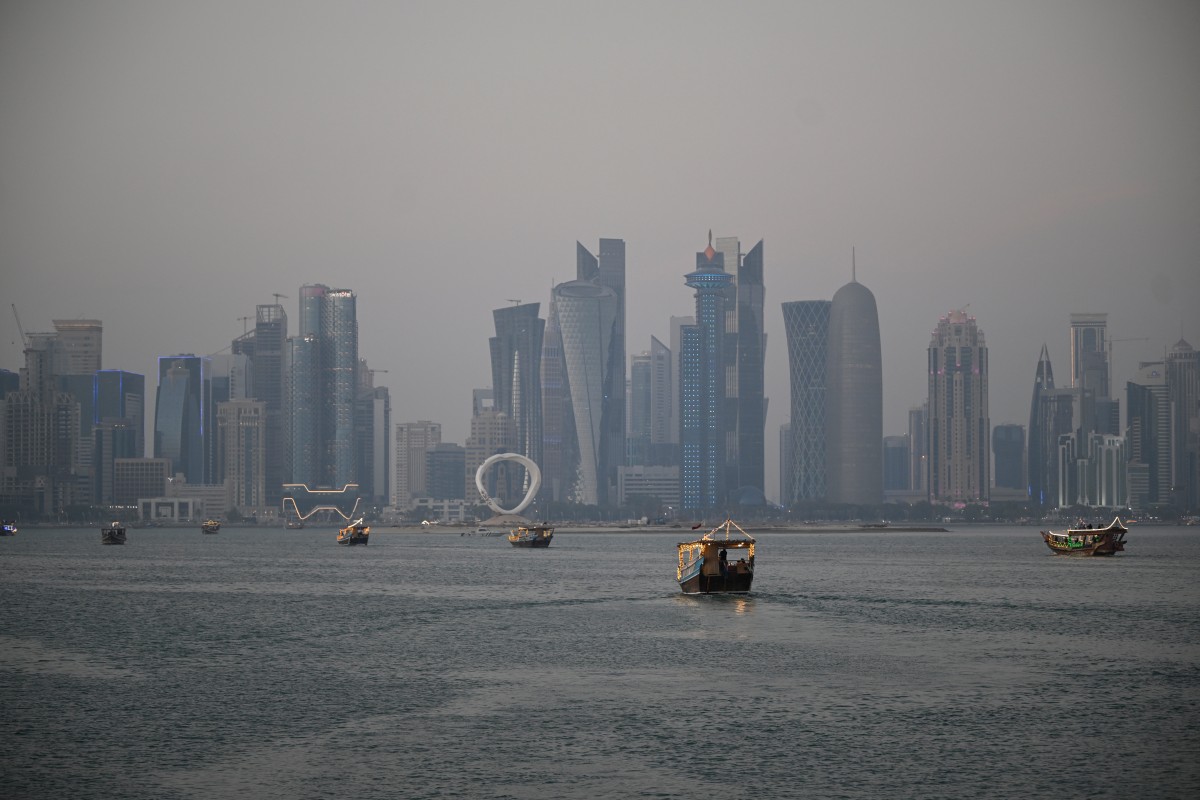

Doha, Qatar is bracing for its coldest period of the year as the ‘Al-Shabat’ season officially began on January 16, 2026. This period, lasting 26 days, is characterized by significantly cooler temperatures, increased cloud cover, and dry, cold winds across the country. Recent rainfall in Doha and a warning from the Qatar Meteorology Department (QMD) for strong winds and colder nights indicate the immediate impact of this winter in Qatar.
The Qatar Calendar House announced the start of Al-Shabat, a traditional designation for the coldest stretch of winter in the region. The QMD’s alert, effective January 15th through January 18th, 2026, advises residents to prepare for potentially hazardous conditions due to the combination of wind and low temperatures. This seasonal shift is a regular occurrence in the Qatari climate, but the intensity can vary year to year.
Understanding the Al-Shabat Season and Qatar’s Winter Climate
Al-Shabat is not a scientifically defined meteorological term, but rather a culturally recognized period linked to specific star positions and traditional observations of weather patterns. It generally corresponds with a period of high atmospheric pressure over the region, leading to clear skies and a significant drop in temperatures. This is a key part of the Qatar weather cycle.
Qatar experiences a subtropical desert climate, with hot, humid summers and mild to warm winters. While daytime temperatures during winter remain pleasant, often ranging from 15°C to 25°C (59°F to 77°F), nighttime temperatures can plummet, sometimes reaching below 10°C (50°F) in inland areas. The coastal regions, like Doha, tend to be slightly warmer due to the moderating influence of the sea.
Recent Weather Events
Prior to the official start of Al-Shabat, several areas across Qatar, including the capital Doha, received rainfall. This precipitation, while welcome, has contributed to increased humidity and a sharper temperature drop as the cold front moved in. The QMD has been actively monitoring the situation and providing updates to the public.
The current warning focuses on strong northwesterly winds, which are expected to reach speeds exceeding 25 knots in some areas. These winds can cause blowing dust and reduced visibility, potentially disrupting outdoor activities and transportation. Residents are advised to secure loose objects and exercise caution when driving.
Impact on Tourism and Daily Life
The onset of colder weather during Qatar tourism season can influence visitor activities. While the cooler temperatures are generally appreciated, particularly for outdoor events and exploration, they also necessitate warmer clothing and adjustments to travel plans. Popular attractions like the Corniche promenade, as seen in recent images, may experience increased foot traffic as people enjoy the pleasant daytime conditions.
However, the colder nights and potential for strong winds may lead to the cancellation or postponement of some outdoor events. The QMD’s warnings are crucial for event organizers and the public to make informed decisions regarding safety and comfort. The impact on daily life is also noticeable, with increased demand for heating and a shift towards indoor activities.
The agricultural sector may also experience some effects, with farmers needing to take precautions to protect crops from frost damage. The Ministry of Municipality and Environment typically issues guidance to farmers during the Al-Shabat season to mitigate potential losses. Understanding seasonal changes in Qatar is vital for various industries.
Looking ahead, the Al-Shabat season is expected to continue for the next two and a half weeks. The QMD will continue to monitor weather conditions and issue updates as needed. The intensity of the cold spell and the frequency of rainfall remain uncertain, and residents should stay informed through official channels for the latest forecasts and advisories. Further analysis of atmospheric patterns will be crucial in predicting the long-term effects of this winter period.