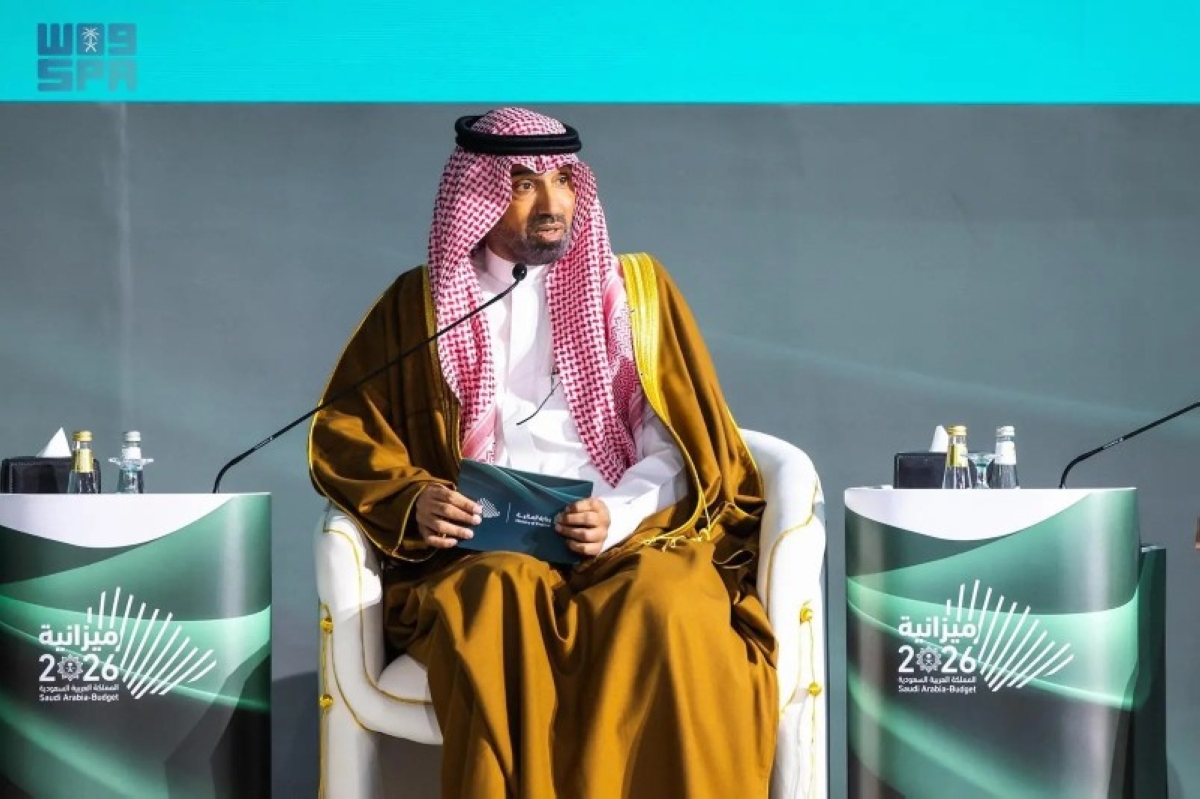

RIYADH – The Saudi labor market is experiencing significant growth and transformation, with the number of Saudi nationals employed in the private sector reaching approximately 2.5 million, according to recent statements by Minister of Human Resources and Social Development Ahmed Al-Rajhi. This increase, coupled with rising female participation, signals progress toward the goals outlined in Saudi Vision 2030. The announcement was made during the Budget Forum 2026 held in Riyadh on Wednesday.
Minister Al-Rajhi highlighted a substantial rise in Saudi women’s participation in the workforce, now at 34.5 percent, a notable increase from 23 percent in 2019. This positive trend, alongside broader initiatives, is contributing to a more mature and diversified national labor market. The ministry’s efforts are focused on empowering Saudi citizens and fostering sustainable economic development.
Saudi Vision 2030 and the Transformation of the Labor Market
The advancements in the Saudi labor market are directly linked to the ambitious Saudi Vision 2030 plan, launched in 2016. This plan aims to reduce the Kingdom’s dependence on oil, diversify the economy, and develop public service sectors such as health, education, infrastructure, recreation, and tourism. The Ministry of Human Resources and Social Development plays a crucial role in realizing these objectives.
According to Al-Rajhi, the ministry’s ecosystem is actively involved in eight of the Vision 2030 programs and is working towards 26 strategic goals through over 100 initiatives. Importantly, more than 70 percent of these initiatives have already been completed, demonstrating significant momentum. This coordinated effort is designed to create a more dynamic and inclusive employment landscape.
Decreasing Unemployment Rates
A key achievement of the Labor Market Strategy, initiated in 2020, has been a dramatic reduction in unemployment among Saudi citizens. The unemployment rate has fallen to 6.8 percent in the second quarter of the current year, down from 12 percent in 2019. This surpasses the Vision 2030 target of 7 percent unemployment by 2030, according to the minister’s address.
The ministry attributes this success to a combination of factors, including targeted training programs, incentives for private sector employment of Saudis, and reforms to labor regulations. These changes aim to make the Saudi workforce more competitive and attractive to employers. The focus on skills development is a critical component of this strategy.
Nationalization of Specialized Professions
The Ministry has also been actively pursuing the nationalization of jobs in specialized fields through the issuance of over 30 professional localization decisions. These decisions target sectors such as engineering, accounting, and pharmacy, aiming to increase the representation of Saudi talent in these roles.
The impact of these localization efforts has been substantial. The ministry reported that the number of Saudis employed in these professions has more than doubled, with some fields seeing a 300 percent increase. This initiative is intended to build a skilled national workforce capable of driving economic diversification and innovation. Saudi nationals are increasingly taking on roles previously filled by expatriate workers.
However, the implementation of Saudization policies has, at times, presented challenges for businesses, particularly small and medium-sized enterprises (SMEs). Balancing the need for increased national participation with the operational requirements of the private sector remains a key consideration for policymakers. The ministry has indicated a willingness to work with businesses to address these concerns.
Empowering Groups and the Non-Profit Sector
Beyond overall employment figures, the ministry is also focused on empowering specific groups within the population, including women, youth, and individuals with disabilities. These efforts are designed to ensure that all Saudi citizens have the opportunity to participate in the economic growth of the Kingdom.
Additionally, the ministry is actively working to enhance the contribution of the non-profit sector to sustainable development. This includes providing support for non-profit organizations and encouraging their involvement in labor market initiatives. The growth of the non-profit sector is seen as a vital component of a vibrant and inclusive society. Job creation within this sector is also a priority.
Al-Rajhi emphasized that the human resources and social development ecosystem will continue to collaborate with the public, private, and non-profit sectors to build a brighter future for all citizens. This integrated partnership is considered essential for achieving the long-term goals of Saudi Vision 2030. The ministry is committed to fostering a supportive environment for both employers and employees.
Looking ahead, the Ministry of Human Resources and Social Development is expected to continue refining its labor market strategies and implementing new initiatives to further reduce unemployment and increase national participation. The success of these efforts will be closely monitored as the Kingdom progresses towards its 2030 targets. Further details on the Budget Forum 2026 and related economic plans are anticipated in the coming weeks, and the ongoing impact of these policies on employment rates will be a key area of observation.