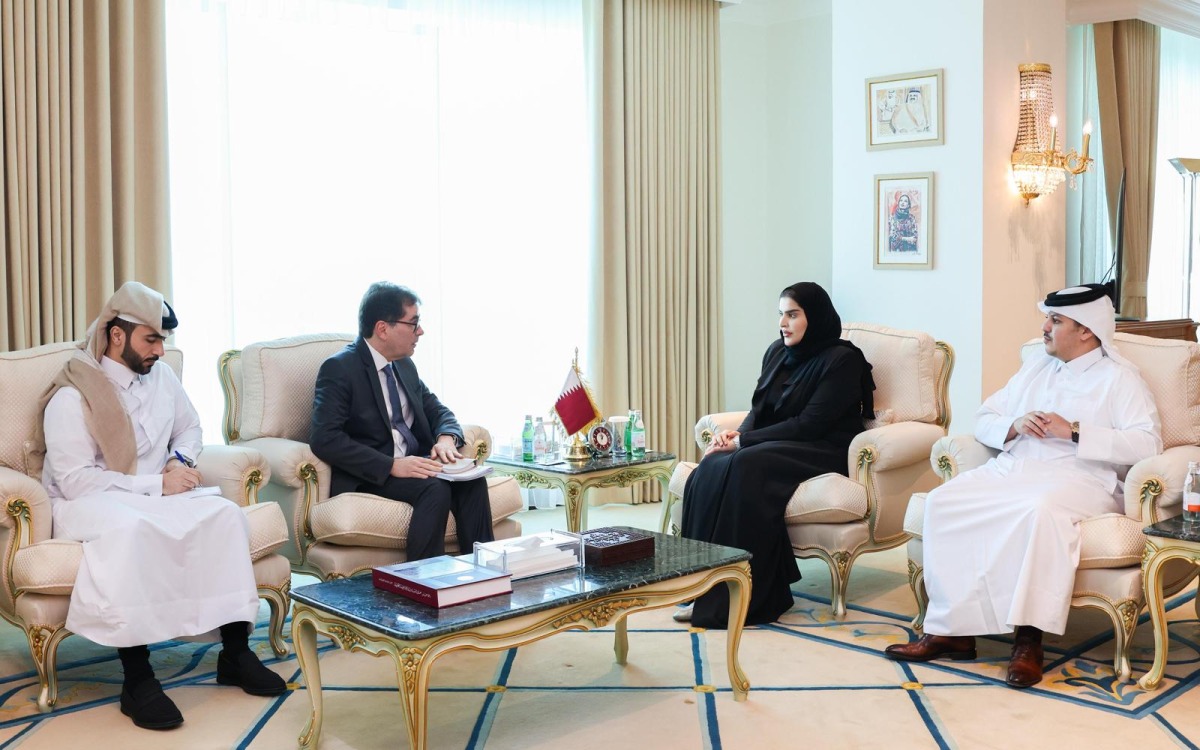

Qatar and Brazil are exploring avenues to strengthen bilateral relations, particularly in the realm of international development. This follows a meeting on January 28, 2024, between Qatar’s Minister of State for International Cooperation, H.E. Dr. Maryam bint Ali bin Nasser Al Misnad, and the Ambassador of Brazil to Qatar, H.E. Marcelo Otavio Dantas Loures da Costa. Discussions centered on current cooperation initiatives and potential expansions that could benefit both nations.
The meeting, held in Doha, Qatar, focused on collaborative efforts and mutual interests, with a specific emphasis on enhancing development projects. According to the official Qatar News Agency, both parties expressed a commitment to deepening ties and identifying new opportunities for partnership. The precise details of ongoing projects were not disclosed, but the conversation indicated a desire for increased reciprocal support.
Strengthening Qatar-Brazil Relations Through Development Cooperation
The focus on development bilateral relations is a significant aspect of the growing ties between Qatar and Brazil. Both countries have demonstrated increasing engagement in global development initiatives, making collaboration a natural progression. Qatar’s significant sovereign wealth fund has been increasingly directed towards international investments, and Brazil is a key player in South American economic and social progress.
Historical Context of Qatar-Brazil Ties
Qatar and Brazil established diplomatic relations in 1973, and economic ties have gradually strengthened over the decades. Brazil is an important trading partner for Qatar, with key exports including meat and sugar. Qatar, in turn, exports petrochemicals and other industrial products to Brazil. This economic exchange provides a foundation for broader international cooperation.
However, this meeting highlights a move beyond purely commercial relationships. Increased focus on development suggests a shared interest in addressing global challenges and promoting socio-economic progress in other regions. These collaborative ventures could include initiatives related to education, healthcare, infrastructure, and sustainable development goals.
Areas for Potential Collaboration
Several areas seem particularly promising for further collaboration. Qatar’s expertise in infrastructure development, gained from preparations for the 2022 FIFA World Cup, could be valuable in Brazil’s ongoing infrastructure projects. Furthermore, Brazil’s advanced agricultural technology could potentially assist Qatar in achieving greater food security, a key national priority.
Additionally, Qatar has demonstrated a commitment to humanitarian aid and disaster relief. Brazil, with its extensive experience in managing large-scale environmental challenges and social programs, could benefit from these kinds of partnerships. These convergent interests create a fertile ground for impactful diplomatic engagement.
Meanwhile, discussions likely touched upon regional and international issues of common concern, such as global economic stability and climate change. Both nations are active participants in multilateral forums and share an interest in promoting peaceful resolutions to international conflicts. A unified stance on these issues can amplify their collective influence on the global stage.
In contrast to solely focusing on economic gains, this collaborative focus illustrates a commitment to shared values. Both countries participate in initiatives aimed at poverty reduction and improved global health outcomes, reflecting a socially conscious component in their foreign policies. The details of any specific aid or investment commitments are expected to be outlined in future agreements.
Looking ahead, the Qatari Ministry of State for International Cooperation and the Brazilian Embassy in Doha are expected to initiate detailed discussions on specific projects and initiatives arising from this meeting. A timeline for the implementation of these plans remains unclear, but follow-up announcements are anticipated in the coming months. The success of these endeavors will depend on continued political will and effective coordination between the two governments, and will also be influenced by broader regional and global developments.
Brazil’s Ministry of Foreign Affairs provides further information on their international partnerships, while the Qatar Ministry of Foreign Affairs details Qatar’s own foreign policy objectives and development initiatives.