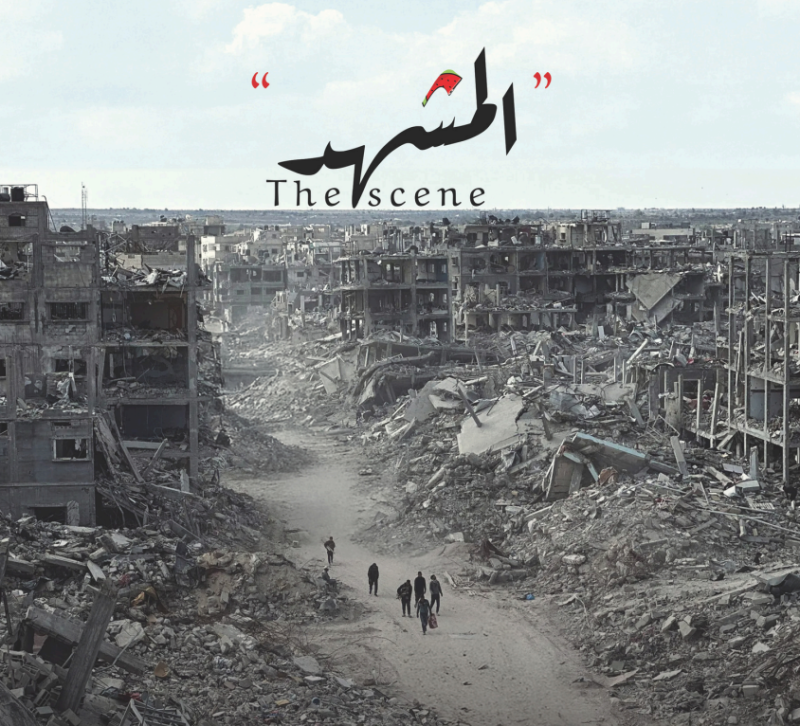

Saudi director Lana Komsany’s short film, Al-Mashhad (“The Scene”), offers a stark and immersive portrayal of a family trapped under the rubble of a bombed building in Gaza. The 13-minute film, gaining attention internationally, aims to convey the psychological and physical realities of the ongoing conflict. Komsany’s work arrives amidst heightened global scrutiny of the humanitarian crisis unfolding in the region, prompting discussions about representation and the role of art in documenting tragedy.
The film, shot in Jeddah, Saudi Arabia, focuses on the 36 hours following a devastating strike, depicting the family’s dwindling hope and the gradual impact of their injuries. It avoids explicit gore, yet strives for a visceral emotional impact through sound design and the actors’ performances. Al-Mashhad premiered to critical acclaim and has been submitted to several film festivals.
The Creation of a Powerful Depiction of Gaza
Komsany stated the film was born from a confluence of personal experiences and professional exploration. Witnessing the continuous stream of distressing images from Gaza, particularly the impact on children, deeply affected her as a mother. This emotional response combined with her extensive background as an acting coach to form the core of the project.
The director’s work with aspiring actors provided a unique starting point. During a workshop, Komsany challenged participants to embody the experience of being buried alive, stripping away traditional acting tools like dialogue and overt physical expression. This exercise highlighted the power of internalizing trauma and conveying it through subtle means.
Immersive Techniques and Set Design
To facilitate this internalization, Komsany employed unconventional filming techniques. Actors were placed inside enclosed boxes during takes, designed to simulate the claustrophobia and sensory deprivation of being trapped under debris. This wasn’t merely a physical constraint, but a “mandate” to access the required state of mind, according to Komsany.
The film’s set design was equally crucial. Drawing on her university training in stagecraft, Komsany meticulously constructed a realistic, yet symbolic, environment. She deliberately avoided replicating imagery from existing war films, opting for a unique aesthetic that prioritized the feeling of confinement and desperation.
The rubble itself was a composite of real and fabricated materials. Komsany utilized readily available resources, such as fabric and cement, to create textures and shapes that evoked the devastation of a bombing. This resourceful approach allowed her to maintain artistic control and achieve the desired visual effect.
Addressing Representation and the Humanitarian Crisis
While the film contains depictions of injury, Komsany emphasized that it remains a restrained representation of the actual horrors experienced by civilians in Gaza. She noted that real-life footage often shows far more graphic violence, including fatalities and severe trauma.
Komsany expressed concern over the tendency to “look away” from disturbing images, a reaction she found counterproductive. She believes that confronting the reality of the conflict is a moral imperative, particularly for those who are privileged enough to avoid its direct consequences. The film aims to challenge viewers to engage with the suffering in a meaningful way.
The film’s focus is on the human cost of the conflict, aiming to transcend political narratives and foster empathy. Relatedly, the film has sparked conversations about the ethics of representing trauma and the responsibility of filmmakers to avoid exploitation. Komsany’s approach prioritizes the internal experience of the characters, minimizing sensationalism and focusing on their emotional resilience.
Al-Mashhad is not Komsany’s first exploration of the Palestinian experience. She previously created another work centered on the region, demonstrating a sustained commitment to raising awareness about the ongoing conflict. This dedication positions her as a voice within the Saudi film industry increasingly focused on social and political issues.
The film is intended as a historical record, a testament to the lives lost and the enduring trauma inflicted upon the people of Gaza. Komsany hopes it will serve as a reminder for future generations of the events that unfolded and the importance of seeking peace and justice. The film’s impact will likely be measured by its ability to generate dialogue and inspire action.
Looking ahead, Komsany is awaiting feedback from film festivals and exploring opportunities for wider distribution of Al-Mashhad. The film’s reception will be closely watched by industry professionals and advocates for Palestinian rights, as it represents a significant contribution to the ongoing conversation about the conflict and its human consequences. Further screenings and potential awards remain uncertain, but the film has already established itself as a powerful and thought-provoking work.