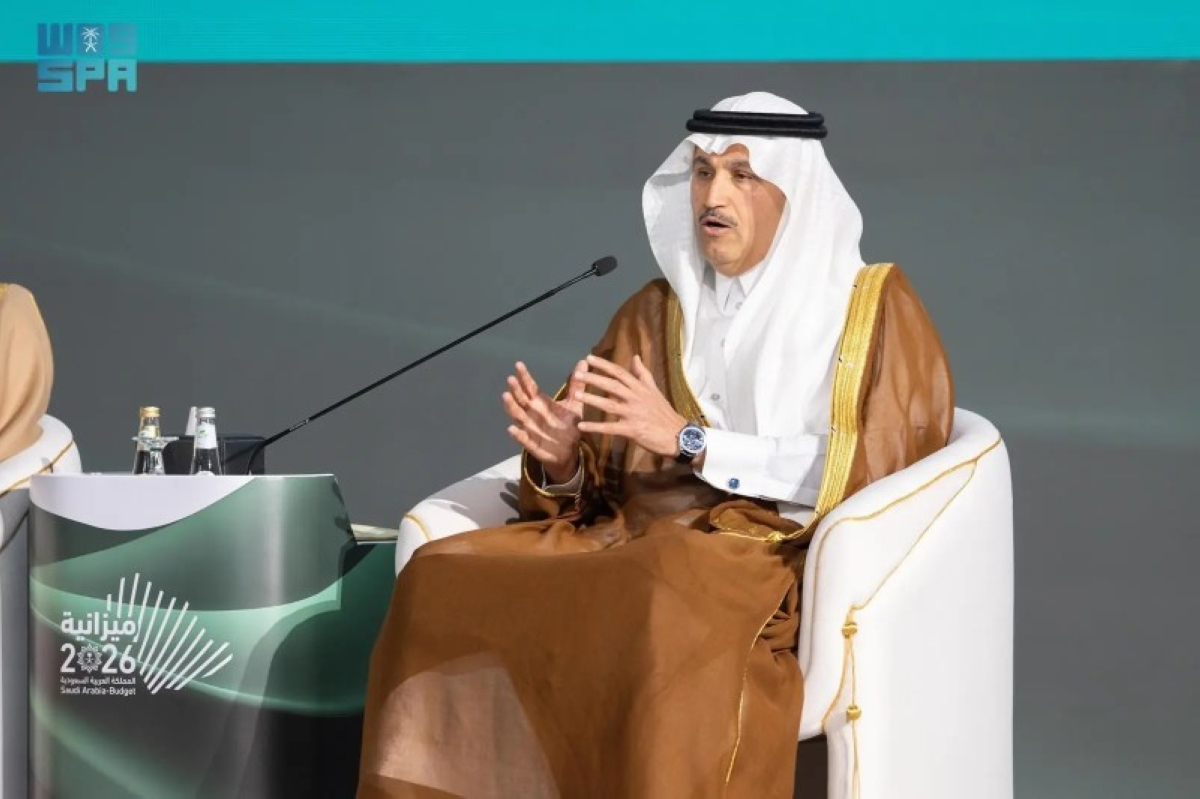

Saudi Arabia’s transport and logistics sector is experiencing substantial growth, with freight transport by rail expected to reach a record 30 million tons in 2024. This milestone, equivalent to removing 1.5 to 2 million trucks from the nation’s roads, underscores the Kingdom’s commitment to modernizing its infrastructure and bolstering its position as a regional trade hub. The news arrived during the Budget Forum 2026 held in Riyadh this week, highlighting ongoing investments and positive economic indicators.
Minister of Transport and Logistics Saleh Al-Jasser announced the figures on Wednesday, also noting that passenger rail travel has exceeded 10 million annually. These developments are occurring alongside significant private sector investment, exceeding SR280 billion, as the Kingdom aims to diversify its economy beyond oil. The sector’s growth is a key component of Saudi Arabia’s Vision 2030 plan.
The Rise of Saudi Arabia’s Transport and Logistics Sector
The advancements within the Saudi Arabian transport and logistics sector are fueled by structural reforms and strong governmental backing, according to the Ministry of Transport and Logistics. These reforms aim to streamline processes, improve efficiency, and attract foreign investment. This strategic push reflects a broader national initiative to transform the Kingdom into a major logistical gateway connecting Europe, Asia, and Africa.
The Kingdom’s robust infrastructure is attracting increasing investment, leading to expanded business opportunities. This development is particularly vital given the country’s geographic position and its ambition to become a leader in global trade. The Ministry has also focused on developing both physical and digital infrastructure to support this growth.
Economic Impact and GDP Contribution
The direct contribution of transport and storage activities to Saudi Arabia’s national GDP increased by 6.2 percent this year, the ministry reported. This positive growth is attributed to the rapid expansion of logistics services and commercial air transport. The economic benefits are extending beyond these sectors, creating ripple effects throughout the national economy.
Air freight, in particular, has seen a substantial boost, increasing by 34 percent year-over-year to reach 1.2 million tons. This surge indicates a strengthening import and export ecosystem, crucial for Saudi Arabia’s economic diversification goals. This growth likely reflects increased international trade and a rising demand for faster shipping options.
Job Creation and Workforce Development
Alongside economic growth, the sector is also contributing significantly to job creation. By the end of the first quarter of 2025, transport and warehousing industries created 144,000 new jobs, representing a 28 percent increase. This brings the total workforce within the sector to nearly 651,000 employees, a notable figure for the Kingdom’s employment initiatives.
The expansion of the workforce is a direct result of the increased activity in rail, road, air, and sea logistics. The ministry has indicated ongoing investment in training programs to ensure a skilled workforce can meet the future demands of the sector. These efforts are focused on providing opportunities for Saudi nationals and contributing to the country’s localized content targets.
Rail Network Expansion and Modernization
Significant progress is being made in the railway sector, with the recent acquisition of 10 new passenger trains for the Eastern Railway network. This investment is designed to meet the growing demand for rail services, driven by both domestic and international travel. The expansion will also support the ongoing economic and developmental projects throughout the region.
The Ministry of Transport and Logistics is also evaluating expansions of the national rail network to connect more regions and facilitate easier movement of goods. This could involve both new railway lines and upgrades to existing infrastructure. However, details on the timelines and scope of these potential expansions have not been fully disclosed.
Growth of Logistics Centers
The number of logistics centers across Saudi Arabia has reached 24 by 2025, according to ministry data. These centers are strategically located to enhance the efficiency of the supply chain and support economic diversification. They offer a range of services, including warehousing, distribution, and freight forwarding.
These logistics hubs are playing an increasingly crucial role in facilitating trade within the Kingdom and internationally. The continued expansion of these facilities demonstrates the government’s commitment to building a world-class logistics infrastructure. It also positions Saudi Arabia as a key player in regional and global supply chains.
Looking ahead, the Ministry is expected to release a more comprehensive plan for the sector’s development as part of the broader Vision 2030 timeframe. Further investments in technology, infrastructure, and workforce development are anticipated, although the specific allocation of funds remains subject to budgetary considerations. The performance of global trade and economic conditions will also impact the sector’s future trajectory, making continued monitoring and adaptation essential.