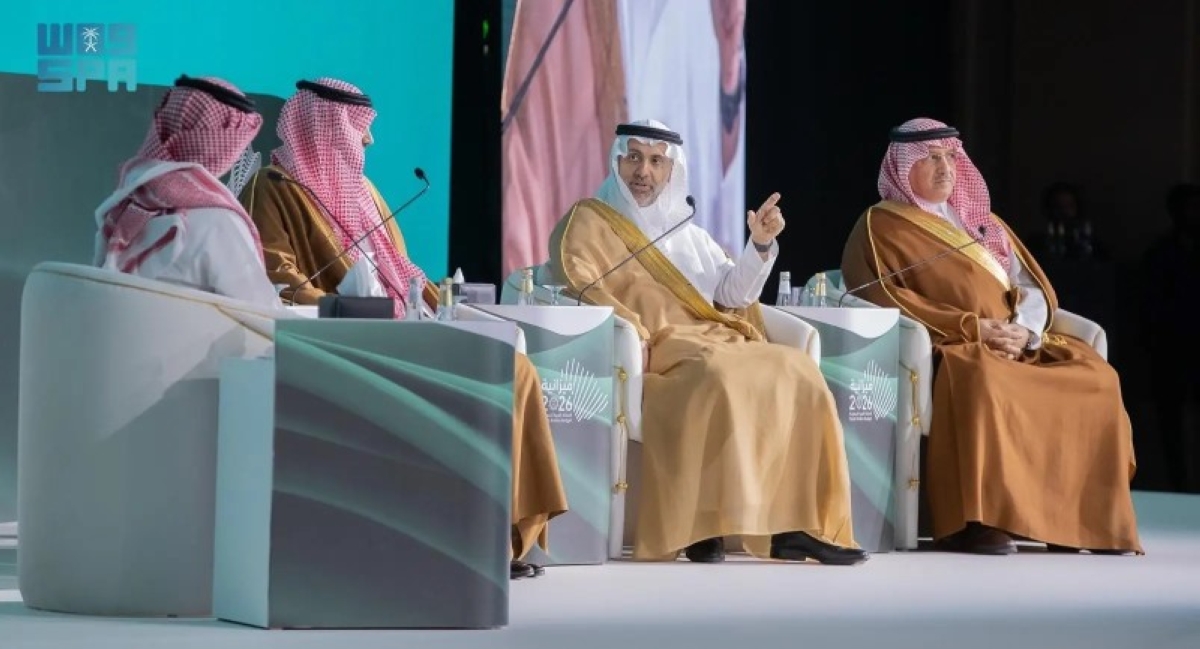

Saudi Arabia is experiencing significant gains in public health, with life expectancy steadily increasing and mortality rates declining across key areas. Minister of Health Fahad Al-Jalajel announced at the Budget Forum 2026 in Riyadh that life expectancy is projected to reach 79.7 years in 2025, up from 74 years in 2016. These improvements are directly linked to ongoing investments and initiatives under the Saudi Vision 2030 plan, focusing on enhanced healthcare accessibility and quality.
The announcement, made on Wednesday in Riyadh, also revealed a 60% reduction in road traffic fatalities over the same 2016-2025 period. This positive trend underscores the government’s commitment to bolstering the healthcare system and prioritizing citizen well-being. The Minister attributed these achievements to the substantial financial backing provided by King Salman and Crown Prince Mohammed bin Salman.
The Rising Trend of Life Expectancy in Saudi Arabia
The increase in life expectancy reflects broader improvements in the Saudi healthcare landscape. These aren’t just demographic shifts; they indicate successes in preventative care, disease management, and emergency services. According to the Minister, the focus has been on delivering higher quality and more accessible healthcare services to the population.
This positive shift is particularly notable within the context of regional health statistics, as Saudi Arabia continues to advance its position as a leading healthcare provider in the Middle East. Investments have been directed toward modernizing hospitals, expanding healthcare infrastructure into underserved areas, and attracting highly skilled medical professionals from around the world.
Impact of Government Healthcare Initiatives
The government’s emphasis on “Citizen’s Health First” has been instrumental in driving these outcomes. This policy framework prioritizes investments in public health programs, including vaccination campaigns, early disease detection initiatives, and awareness programs related to healthy lifestyles. Meanwhile, the modernization of healthcare facilities nationwide is streamlining operations and improving patient care.
The data presented at the Budget Forum indicates unprecedented success in reducing mortality rates attributable to different types of diseases. Specifically, the Saudi health system achieved a world-first reduction of 50% in deaths from infectious diseases and a 40% reduction from non-communicable diseases. This marks significant progress in combating both traditional and modern health threats.
Furthermore, the Ministry of Health reported a 30% decrease in fatalities resulting from unintentional injuries. This decline is likely attributable to enhanced road safety measures, improved emergency medical response times, and public education efforts focused on accident prevention. The improvement in road traffic safety also points to a broader commitment to public safety initiatives.
These successes haven’t happened in isolation. They’re directly correlated with increased healthcare spending as part of the Vision 2030 plan, which aims to diversify the Saudi economy and improve the quality of life for its citizens. The plan recognizes healthcare as a cornerstone of national development, and the budgetary allocations reflect this prioritization.
Ongoing efforts to diversify the healthcare workforce are also contributing to improvements. The focus is not only on increasing the number of healthcare professionals, but also on providing specialized training and fostering innovation within the sector. This includes investments in telehealth and digital health solutions, expanding access to care, particularly in remote areas.
The Ministry of Health is also actively pursuing collaborations with international healthcare organizations and institutions. These partnerships facilitate the exchange of knowledge, best practices, and access to cutting-edge medical technologies. This focus on global integration demonstrates a commitment to maintaining the highest standards of healthcare delivery.
Looking ahead to 2026, Al-Jalajel stressed the continued drive to enhance sustainable service delivery, ensuring both a higher quality of care and broader accessibility. Healthcare investments are expected to further propel these gains, cementing Saudi Arabia’s position as a regional and global health destination. This continued investment will undoubtedly focus on preventative preventive health measures alongside advances in treatment options.
The next phase of healthcare development will likely involve further integration of technology, increased emphasis on personalized medicine, and expanded public health initiatives targeting emerging health challenges. Monitoring the realization of the 2026 budget allocations and the subsequent impact on key health indicators will be crucial in assessing the long-term success of Vision 2030’s healthcare objectives. The sustainability of these improvements and the ability to address future health needs remain key areas to watch.