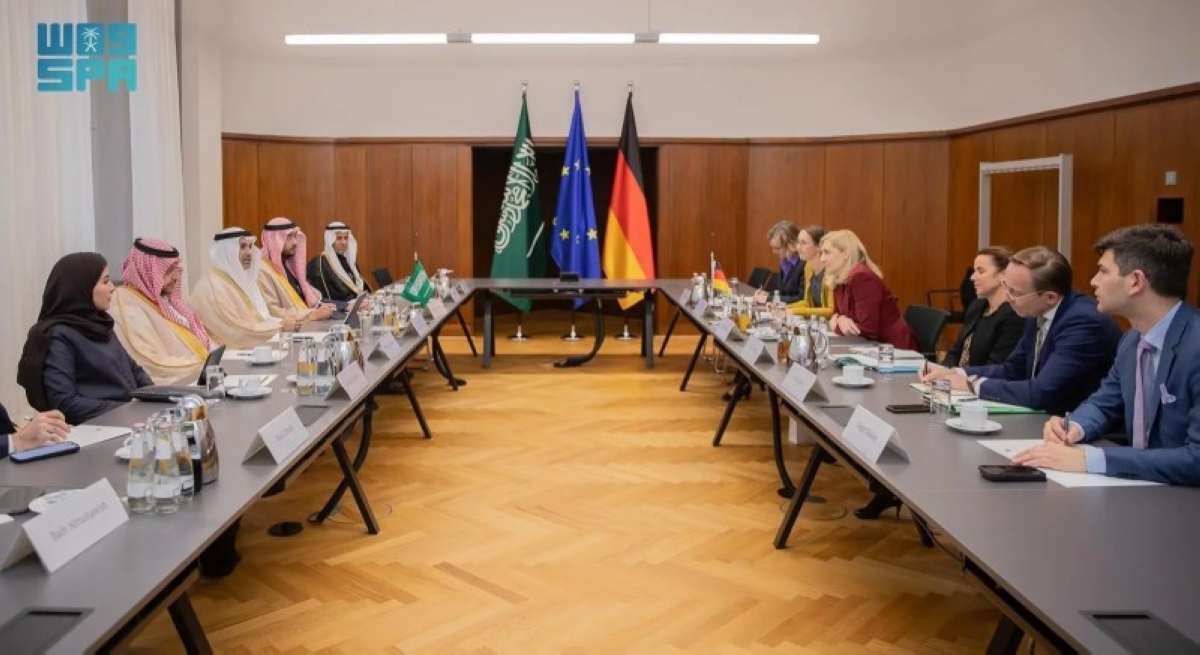

Saudi Arabia is actively pursuing strengthened international partnerships to bolster its health sector transformation, as evidenced by recent high-level meetings in Germany. Minister of Health Fahad Al-Jalajel led a delegation to Berlin this week to explore collaborations in digital health, pharmaceutical innovation, and the localization of medical technologies. These efforts align with the Kingdom’s Vision 2030 and the ongoing Health Sector Transformation Program, aiming to modernize and improve healthcare access for Saudi citizens.
The visit, which concluded on [Date – insert date if known, otherwise omit], involved meetings with key German officials and industry leaders. Discussions centered on enhancing public health initiatives, fostering biomedical research, and streamlining regulatory processes. The Saudi Ministry of Health indicated that the goal is to leverage German expertise to accelerate the Kingdom’s healthcare advancements.
Strengthening Health Cooperation Through International Partnerships
The Saudi delegation’s meetings with German Federal Minister of Health Nina Warken focused on areas of mutual interest, including preventative care and the development of innovative treatment methods. According to a ministry statement, both countries expressed a commitment to sharing best practices and collaborating on joint research projects. This builds on existing, though limited, healthcare collaborations between the two nations.
Regulatory Frameworks and Risk Assessment
A significant portion of the visit was dedicated to understanding Germany’s robust regulatory frameworks for pharmaceuticals and medical devices. Al-Jalajel met with representatives from the Federal Joint Committee (G-BA) and the Federal Institute for Risk Assessment (BfR) to review their systems for ensuring patient safety and product efficacy. This is particularly relevant as Saudi Arabia works to establish its own independent regulatory bodies and enhance its capacity for risk management in the healthcare industry.
However, establishing comparable regulatory structures will require significant investment in training and infrastructure, according to analysts familiar with the Saudi healthcare system. The transfer of knowledge and expertise from Germany is expected to play a crucial role in this process.
Pharmaceutical Innovation and Technology Localization
The visit also included a meeting at Bayer headquarters, where discussions centered on potential collaboration in pharmaceutical innovation and the development of new therapies. The Saudi government has identified pharmaceutical manufacturing as a key area for localization, aiming to reduce reliance on imports and create domestic jobs. This aligns with broader economic diversification goals outlined in Vision 2030.
Additionally, the National Unified Procurement Company (NUPCO) signed memoranda of understanding (MoUs) with several German companies. These agreements are intended to strengthen supply chains and facilitate the transfer of technology to Saudi Arabia. The specific details of these MoUs have not yet been publicly disclosed, but the ministry said they represent a significant step towards achieving greater self-sufficiency in the medical technology sector.
Investing in Human Capital
Recognizing the importance of a skilled workforce, Minister Al-Jalajel also met with Saudi students currently pursuing health-related studies in Germany. He commended their contributions to the Kingdom’s health transformation and reiterated the government’s commitment to investing in education and training. The Saudi government funds a substantial number of scholarships for its citizens to study abroad, with a focus on strategic fields like medicine and engineering.
Meanwhile, the German Chamber of Commerce and Industry hosted a roundtable discussion bringing together Al-Jalajel and senior German officials to explore investment opportunities in the Saudi health sector. The roundtable highlighted the potential for German companies to participate in the Kingdom’s ambitious healthcare projects, particularly in areas such as hospital construction, digital health solutions, and medical equipment supply.
In contrast to previous years, Saudi Arabia is actively seeking more than just procurement of finished products. The emphasis on technology transfer and local manufacturing represents a shift in strategy, aiming for long-term sustainability and economic growth. This approach is consistent with the broader goals of Vision 2030, which prioritizes diversification and reducing dependence on oil revenues.
The Kingdom’s digital health ambitions are also a key driver of these partnerships. Germany is a leader in telehealth and electronic health records, and Saudi Arabia is keen to learn from its experience as it develops its own digital health infrastructure. The Ministry of Health has announced plans to invest heavily in digital technologies to improve access to care and enhance the quality of healthcare services.
Looking ahead, the implementation of the signed MoUs and the development of concrete projects stemming from the roundtable discussions will be crucial. The Ministry of Health has not yet announced a specific timeline for these initiatives, but officials have indicated that they expect to see tangible results within the next 12-18 months. Monitoring the progress of these collaborations and assessing their impact on the Saudi healthcare system will be essential to understanding the long-term success of this strategic partnership.