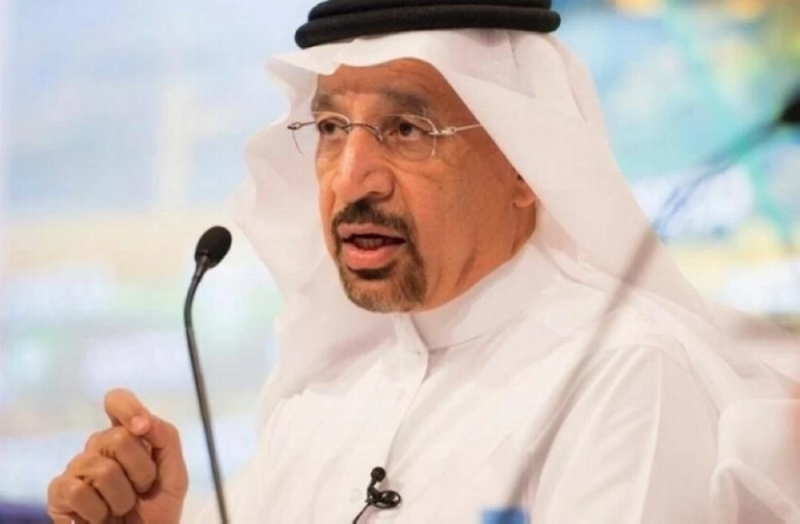

RIYADH — Saudi Arabia’s financial market is poised for substantial growth with anticipated increases in debt instrument issuances beginning in 2026. Minister of Investment Khalid Al-Falih recently announced that a coordinated effort between key government and regulatory bodies is underway to prepare for these new offerings. The move aims to attract a wider range of investors and deepen liquidity within the Kingdom’s capital markets.
The planned issuances are being developed by the Saudi Stock Exchange (Tadawul), the Capital Market Authority (CMA), the Ministry of Investment, the Ministry of Finance, and the Ministry of Economy. These entities are working to create a more robust and diversified financial landscape, according to the minister’s statements. The changes are expected to be fully implemented by February 1, 2026, coinciding with the opening of the Saudi financial market to all categories of foreign investors.
Expanding the Saudi Financial Market with Debt Instruments
The core of this development lies in broadening the types of financial products available to investors. Currently, the Saudi market is heavily weighted towards equity and Islamic bonds (sukuk). The introduction of a wider array of debt instrument issuances will provide investors with more options and potentially lower-risk investment opportunities.
This expansion isn’t limited to traditional bonds and loans. Al-Falih indicated that the new framework will encompass private equity, private lending, venture capital, and syndicated loans. This diversification is intended to cater to a broader spectrum of investor risk appetites and investment strategies.
Attracting New Investor Segments
A key objective of these changes is to attract new investor groups. Pension funds, both domestic and international, are a significant target. These funds often have a strong demand for stable, long-term investments, which debt instruments can provide.
Global investment funds are also expected to participate more actively. The CMA’s recent decision to allow direct foreign investment from February 2026 removes previous barriers to entry and simplifies the process for international investors. This increased accessibility is a crucial step in attracting foreign capital.
Regulatory Changes and Individual Investor Access
Alongside the new issuances, regulatory changes are being implemented to facilitate greater individual participation in the Saudi financial market. The ministry stated that these developments will allow individuals to open direct investment and current accounts, streamlining the process of transferring funds from savings into investments.
This move aligns with broader Saudi Vision 2030 goals of increasing financial inclusion and empowering citizens to participate in the nation’s economic growth. Greater individual investment could also contribute to increased market stability and depth. The CMA is expected to release detailed guidelines on these new account structures in the coming months.
The concept of a debt instrument itself is a fundamental one in finance. It represents a contract where one party borrows money from another, promising to repay the principal along with interest over a specified period. Bonds, loans, and certificates of deposit are common examples, offering investors a predictable income stream.
Saudi Arabia has been actively working to modernize its financial regulations and infrastructure in recent years. This includes efforts to enhance corporate governance, improve transparency, and strengthen investor protection. These reforms are designed to build confidence in the market and attract long-term investment.
The Kingdom’s sovereign wealth fund, the Public Investment Fund (PIF), has also played a significant role in developing the financial sector. The PIF has been involved in numerous large-scale projects and investments, contributing to economic diversification and job creation. These activities indirectly support the growth of the capital markets.
However, the success of these initiatives will depend on several factors. Global economic conditions, geopolitical stability, and investor sentiment will all play a role in determining the level of demand for Saudi financial products. Additionally, effective implementation of the new regulations will be crucial.
The anticipated increase in debt instrument availability is also expected to impact the broader financial services industry. Investment banks, brokerage firms, and asset managers will likely see increased demand for their services as they help facilitate these new transactions. This could lead to further innovation and competition within the sector.
The move towards greater financial market depth is also linked to the Kingdom’s ambitions to become a regional financial hub. By offering a wider range of investment opportunities and attracting a more diverse investor base, Saudi Arabia aims to compete with other major financial centers in the Middle East and beyond. This requires continuous improvement in infrastructure and regulatory frameworks.
Looking ahead, the focus will be on finalizing the regulatory details and preparing the market infrastructure for the influx of new debt instrument offerings and investors. The CMA is expected to provide further clarity on the implementation timeline and specific requirements for participation. Monitoring the initial uptake of these new products in February 2026 will be key to assessing the overall impact of these reforms, and potential adjustments to the strategy may follow.
The development of the Saudi financial market remains subject to ongoing evaluation and adaptation to ensure sustained growth and stability.