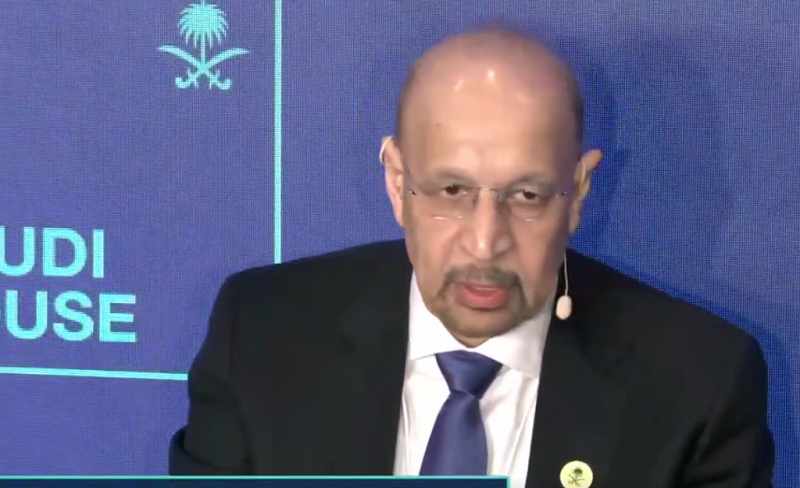

Foreign direct investment (FDI) into Saudi Arabia has surged, increasing fivefold since the launch of the Kingdom’s Vision 2030 economic diversification plan, according to Saudi Investment Minister Khalid Al-Falih. The announcement, made during the World Economic Forum 2026 in Davos, signals a growing confidence in the Saudi economy as a key destination for global capital. This influx of investment is a cornerstone of the Kingdom’s efforts to reduce its reliance on oil revenues and build a more sustainable, diversified economy.
Al-Falih highlighted Saudi Arabia’s emergence as a particularly attractive market among emerging economies, drawing comparisons to investment levels seen in economic powerhouses like China and India. The statement came during a dialogue session hosted by the Strategic Management Office at the Saudi House, underscoring the nation’s proactive engagement with the global investment community. The minister also cautioned about increasing global economic risks.
The Rise of Saudi Arabia as an FDI Destination
The dramatic increase in FDI reflects a concerted effort by Saudi Arabia to improve its investment climate. Vision 2030, launched in 2016, outlines a broad range of reforms aimed at attracting both domestic and international investment across various sectors. These reforms include streamlining regulations, improving infrastructure, and fostering a more transparent legal framework.
Key Factors Driving Investment
Al-Falih emphasized that successful economies require a combination of factors to attract capital. These include a skilled workforce, abundant natural resources, and a robust regulatory environment. The Kingdom has focused on developing these areas, investing heavily in education and training programs to build a qualified workforce.
Additionally, Saudi Arabia possesses significant natural resources beyond oil, including minerals and renewable energy potential. The government is actively promoting the development of these resources to diversify the economy. The minister also pointed to improvements in the Kingdom’s legal and regulatory systems as crucial to building investor confidence.
According to reports from the Saudi Ministry of Investment, key sectors attracting FDI include manufacturing, renewable energy, tourism, and technology. The Kingdom is actively seeking partnerships with international companies to develop these sectors and transfer knowledge and expertise.
Capital Formation and Economic Expansion
The minister noted that the ratio of capital formation to GDP in Saudi Arabia is now comparable to that of China and India. This indicates a significant acceleration in investment activity and a corresponding expansion of the Saudi economy’s productive capacity. Capital formation, which includes investments in fixed assets like machinery, equipment, and infrastructure, is a key driver of long-term economic growth.
However, Al-Falih also acknowledged the challenging global economic landscape. Escalating geopolitical tensions, tighter financial conditions, and slowing growth in major economies pose significant risks to the global economy. He stressed the importance of flexible policies to mitigate these risks and ensure sustainable growth.
Meanwhile, Saudi Arabia is continuing to implement its economic and investment reforms despite these global headwinds. The government remains committed to diversifying the economy and enhancing its competitiveness. This commitment is reflected in ongoing investments in infrastructure projects, such as the NEOM smart city development, and initiatives to promote innovation and entrepreneurship.
The Kingdom’s sovereign wealth fund, the Public Investment Fund (PIF), is playing a central role in driving these investments. The PIF is actively investing in both domestic and international projects, with a focus on sectors aligned with Vision 2030. This includes investments in renewable energy, technology, and entertainment.
In contrast to some other emerging markets, Saudi Arabia benefits from a relatively stable political environment and strong financial reserves. This provides a degree of resilience against external shocks and enhances its attractiveness to investors. The country’s strategic location also offers access to key markets in Asia, Africa, and Europe.
The growth in investment is also linked to broader regional economic trends. Increased stability in the Middle East, coupled with efforts to promote regional integration, is creating a more favorable environment for investment. Saudi Arabia is actively working with its regional partners to foster economic cooperation and attract foreign capital.
Looking ahead, the Saudi government is expected to continue its efforts to attract foreign investment and diversify the economy. The next phase of Vision 2030 will likely focus on deepening structural reforms and promoting innovation. Monitoring the implementation of these reforms, as well as the evolution of the global economic landscape, will be crucial for assessing the long-term success of Saudi Arabia’s economic transformation. The Ministry of Investment has not yet announced specific targets for FDI inflows in the coming years, but continued growth is anticipated, contingent on global economic conditions and the Kingdom’s ability to maintain its positive investment momentum.