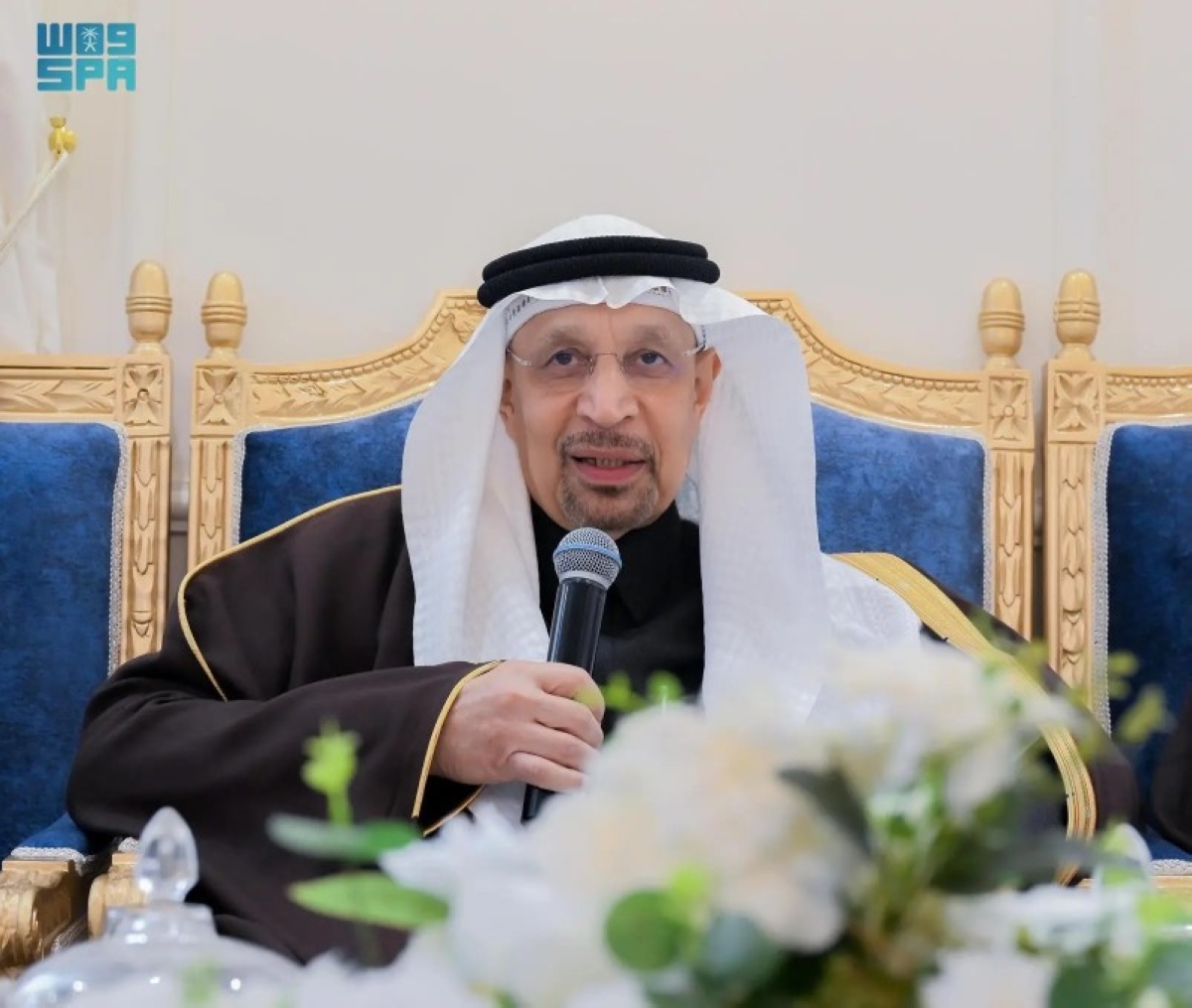

Saudi Minister of Investment Eng. Khalid Al-Falih recently highlighted the significant investment potential within the Al-Baha region, signaling a push to diversify the Kingdom’s economy in line with Vision 2030. The Minister’s visit and statements underscore a commitment to attracting capital to the region’s tourism, agriculture, and healthcare sectors. This initiative aims to reduce reliance on oil revenue and foster sustainable economic growth across Saudi Arabia.
Al-Falih’s remarks came during a meeting with business leaders at the Al-Baha Chamber of Commerce on Monday, where discussions centered on overcoming obstacles to investment and creating a more supportive environment for the private sector. The visit also included a tour of the Coffee City in Mashouqa, showcasing the region’s agricultural strengths and potential for value-added processing. The Ministry of Investment is actively working to facilitate these opportunities.
Unlocking Al-Baha’s Investment Potential
The Al-Baha region, located in southwestern Saudi Arabia, possesses unique characteristics that make it an attractive destination for investors. According to the Ministry of Investment, these include a temperate climate, fertile land suitable for agriculture – particularly coffee – and growing tourism infrastructure. The region’s relatively undeveloped state also presents opportunities for greenfield projects and significant returns.
Key Projects and Sectors
Several projects are already in the pipeline, most notably the Jabal Al-Nour University Medical City. This ambitious undertaking represents a substantial investment in healthcare infrastructure and is expected to create numerous jobs. Additionally, the Coffee City project demonstrates the government’s focus on bolstering the agricultural sector and promoting local products.
The Coffee City, spanning 1.662 million square meters, is projected to produce approximately 2,500 tons of green coffee annually from around 500,000 coffee trees. It also features a state-of-the-art roasting and packaging plant with a capacity of 10,500 tons of roasted coffee per year. This integrated approach, from cultivation to processing, aims to enhance the quality and competitiveness of Saudi coffee in both domestic and international markets. The project is a collaboration between the Ministry of Environment, Water and Agriculture and private sector entities.
Beyond coffee and healthcare, the Al-Baha region is also exploring opportunities in tourism and entertainment. The region’s mountainous terrain and natural beauty offer potential for eco-tourism and adventure activities. The Ministry of Investment is actively seeking partners to develop these sectors, aligning with Vision 2030’s goals of diversifying the tourism offering.
Addressing Investment Challenges
During the meeting with the Al-Baha Chamber of Commerce, Al-Falih acknowledged the challenges facing investors in the region. These reportedly include bureaucratic hurdles, limited access to financing, and a need for improved infrastructure. The Ministry of Investment pledged to work with regional authorities and the private sector to address these issues and streamline the investment process.
The ministry emphasized its commitment to providing a comprehensive support system for investors, including facilitating necessary permits and coordinating with relevant government agencies. This integrated approach is designed to reduce red tape and create a more predictable and transparent investment climate. The private sector’s role is considered crucial to achieving these development goals.
However, attracting significant foreign direct investment (FDI) to regions beyond the major urban centers like Riyadh and Jeddah remains a key challenge for Saudi Arabia. Infrastructure development and workforce skills are often cited as barriers to entry. The government is actively addressing these issues through various initiatives, including the National Transformation Program.
The development of Al-Baha’s agricultural sector is also tied to broader Saudi efforts to achieve food security. The Kingdom is seeking to reduce its reliance on imported food by investing in domestic agricultural production and improving supply chain efficiency. This focus on local agriculture is expected to create new economic opportunities and enhance the resilience of the food system.
Looking ahead, the Ministry of Investment will continue to collaborate with the Al-Baha governorate and the Chamber of Commerce to identify and promote investment opportunities. The timeline for the completion of the Jabal Al-Nour University Medical City remains unclear, but the project is expected to be a major catalyst for economic growth in the region. Monitoring the progress of infrastructure projects and the implementation of regulatory reforms will be crucial in assessing the long-term success of these initiatives.
The success of these efforts will also depend on the ability to attract skilled labor and foster a supportive business environment. Further details regarding specific incentives and investment guarantees are expected to be announced in the coming months, as the Ministry of Investment seeks to position Al-Baha as a prime destination for both domestic and international capital.