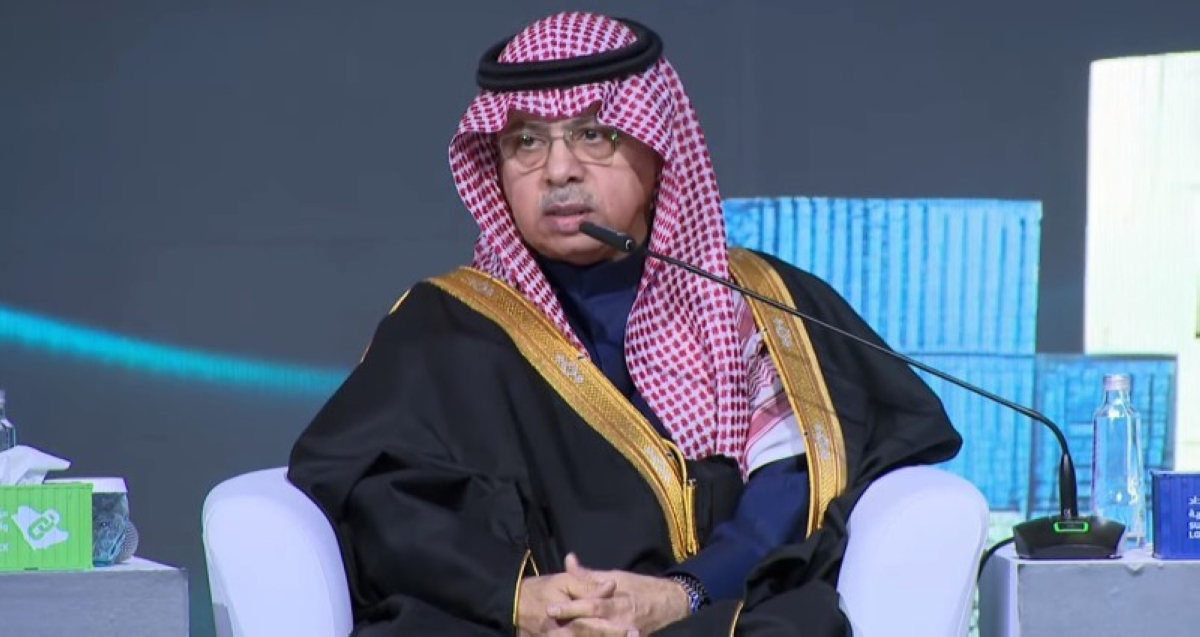

Saudi Arabia is embarking on a significant wave of airport privatization, aiming to boost passenger capacity and attract substantial private sector investment. Announced at the Supply Chain and Logistics Conference 2025 in Riyadh, the General Authority of Civil Aviation (GACA) plans to begin with Abha International Airport, followed by others including Taif, Qassim, and Hail. This initiative reflects a broader national strategy to enhance the transport and logistics sector and position the Kingdom as a global logistics hub.
GACA President Abdulaziz Al-Duailej stated the organization is actively soliciting bids for the Abha project, having already received over 100 applications from both domestic and international firms. The move builds upon previous successes in aviation sector partnerships, which the government believes offers robust opportunity for growth. The intended expansion of Abha Airport underscores the scale of planned development.
The Drive for Airport Privatization in Saudi Arabia
The privatization of Saudi airports is a key component of the National Transport and Logistics Strategy, launched to diversify the Kingdom’s economy and reduce its reliance on oil. According to Deputy Minister of Transport and Logistics Rumaih Al-Rumaih, this strategy has already spurred over SR200 billion in private investment across all transport modes. This includes significant developments in seaports, road networks, railways, and related logistics services.
Saudi Arabia’s approach to airport development is evolving. Earlier models focused on partnerships, while the current phase emphasizes full privatization. This shift is intended to introduce greater efficiency, innovation, and financial capacity to the development and operation of vital national infrastructure.
Building on the Madinah Airport Model
Prince Mohammed bin Abdulaziz International Airport in Madinah serves as a prime example of the success of public-private partnerships in the Saudi aviation sector. Initially managed by GACA with a capacity of under 3 million passengers, the airport underwent a transformation following the transfer of design, construction, financing, and operation to the private sector in 2016.
This collaboration increased the airport’s capacity to 8.5 million passengers annually. GACA recently signed a new agreement to further expand Madinah Airport to handle 18 million passengers per year, alongside a 30-year concession extension for the existing investor. Al-Duailej highlighted the resilience of the Madinah model, even throughout the severe disruptions of the COVID-19 pandemic.
Boosting Local Content and Economic Growth
The investment in the transport and logistics sector is having a positive impact on local employment and participation. Al-Rumaih reported that local content has increased from approximately 30 percent to 47 percent, with a goal of reaching 60 percent by 2030. This growth extends to both investment and job creation, with over 220,000 new jobs generated in the past three years.
The sector’s contribution to the Kingdom’s gross domestic product (GDP) has also doubled between 2019 and 2024. A significant driver of this growth is the rapid expansion of the e-commerce industry. The country is currently processing over 200 million parcels annually, with more than one million orders placed each day, totaling over 400 million orders per year.
Further strengthening the logistics network, the Kingdom is pursuing strategic projects, including a high-speed rail link with Qatar. Additionally, plans are underway to connect Riyadh, Hofuf, and Dammam via rail, enhancing integration within the national transport system. These projects aim to solidify Saudi Arabia’s position as a central hub for regional and global trade.
The strong interest in the Abha International Airport privatization, with bids already received from numerous companies, demonstrates the appeal of these opportunities. This enthusiasm signals confidence in the Saudi market and its long-term growth potential, aligning with the ambitious goals outlined in Vision 2030.
GACA anticipates announcing the winning consortium for the Abha Airport project within approximately three months. Following this, the agency will proceed with privatization plans for Taif, Qassim, and Hail airports. The success of these initial projects will be critical in shaping the future of infrastructure development in Saudi Arabia and attracting further private investment. The timeline for those subsequent announcements remains uncertain and will likely depend on the results of the Abha process and ongoing market analysis.