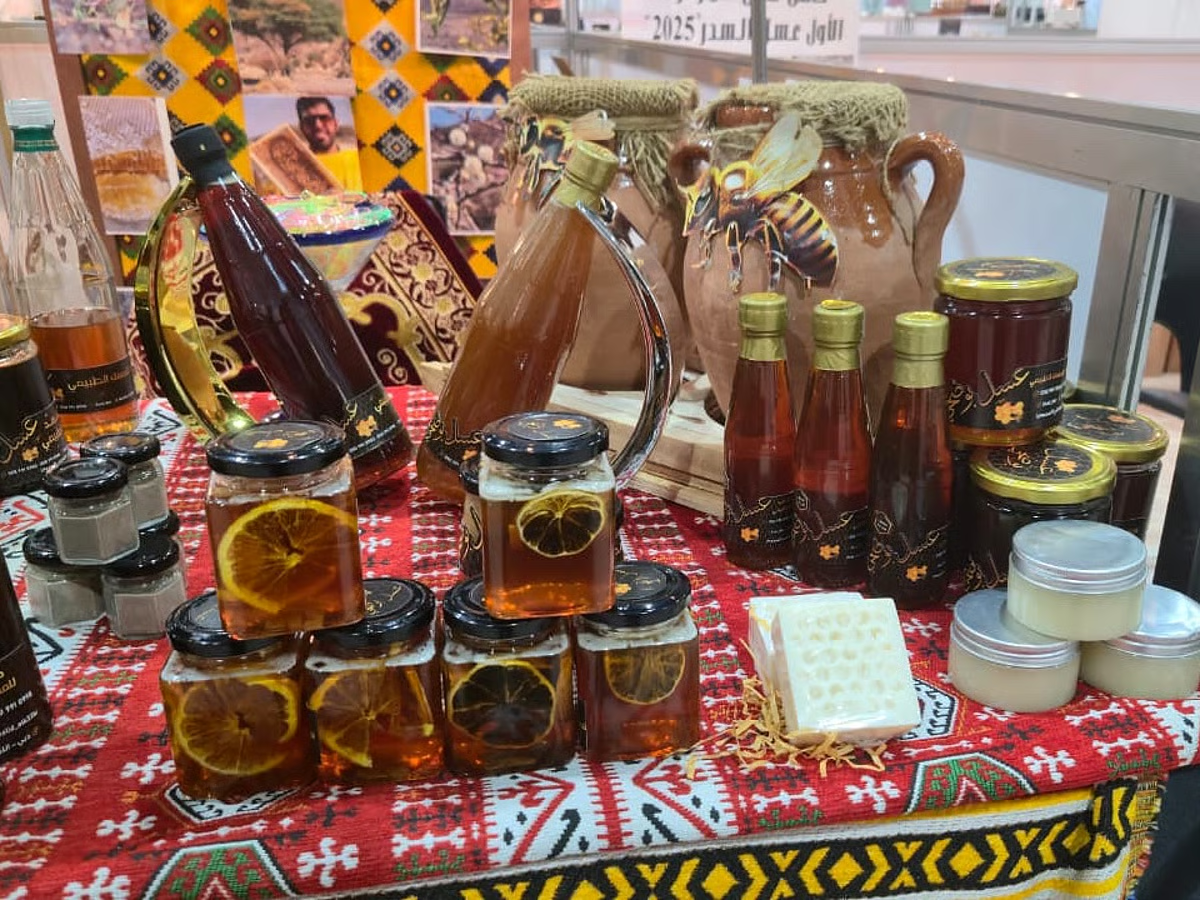

The highly anticipated Al Dhaid Honey Festival is set to return to Sharjah from December 22nd to 31st, 2023. This annual event, held in the Al Dhaid city of the emirate, celebrates the rich tradition of beekeeping and the diverse flavors of locally sourced honey. The festival aims to support local beekeepers and promote sustainable agricultural practices within the region.
Organized by the Sharjah Chamber of Commerce and Industry (SCCI), the festival will take place at the Expo Al Dhaid. It will feature a wide array of honey products, beekeeping equipment, and educational activities. The event is expected to draw significant crowds, including residents, tourists, and industry professionals interested in the apiculture sector.
Celebrating the Golden Sweetness: The Al Dhaid Honey Festival
The Al Dhaid region of Sharjah is renowned for its unique floral diversity, which contributes to the production of distinctive honey varieties. This year’s festival builds on the success of previous iterations, aiming to further enhance the region’s reputation as a leading producer of high-quality honey in the United Arab Emirates. The SCCI reports that the festival has consistently boosted sales for local beekeepers and increased awareness of the importance of bees to the ecosystem.
A Boost for Local Beekeepers
The festival provides a direct-to-consumer platform for beekeepers, allowing them to showcase and sell their products without intermediary costs. This direct engagement is crucial for small and medium-sized enterprises (SMEs) in the apiculture industry. According to the Ministry of Climate Change and Environment, supporting local beekeepers is a key component of the UAE’s food security strategy.
Beyond sales, the event offers networking opportunities with potential buyers and distributors. Beekeepers can also gain valuable feedback on their products and learn about the latest trends in the honey market. The SCCI often facilitates workshops and training sessions during the festival to help beekeepers improve their practices and product quality.
Expanding the Apiculture Industry
The Al Dhaid Honey Festival isn’t solely focused on the sale of existing products. It also serves as a catalyst for growth within the broader apiculture industry. The event attracts suppliers of beekeeping equipment, including hives, protective gear, and extraction tools, fostering innovation and accessibility for aspiring beekeepers.
Furthermore, the festival highlights the importance of bee conservation and sustainable beekeeping practices. Educational exhibits and demonstrations will likely focus on the role of bees in pollination and the threats they face from habitat loss and pesticide use. This aligns with wider UAE governmental initiatives promoting environmental sustainability and biodiversity.
The Appeal of Local Honey and Dates
The growing consumer preference for natural and locally sourced products is a significant driver of the festival’s popularity. Honey, particularly that produced in the UAE, is perceived as a healthier alternative to refined sugars and a natural remedy for various ailments. This demand is reflected in the increasing number of beekeepers registering for the event each year.
The festival often features complementary products, such as dates, which are traditionally paired with honey in the region. The combination of these two locally produced delicacies appeals to both residents and tourists seeking authentic Emirati experiences. The presence of date vendors adds to the overall appeal and economic impact of the festival.
However, the honey market faces challenges, including the need to combat counterfeit products and ensure consistent quality standards. The Ministry of Climate Change and Environment has been working on strengthening regulations and implementing traceability systems to address these concerns. The festival itself often includes quality control checks and certifications to assure consumers of the authenticity of the products on offer.
Meanwhile, the event contributes to Sharjah’s tourism sector by attracting visitors interested in cultural experiences and unique products. The Expo Al Dhaid venue provides ample space for exhibitors and attendees, and the festival is typically promoted through various marketing channels, including social media and travel websites. This increased tourism benefits local businesses and supports the overall economy of the emirate.
In contrast to mass-produced honey, the varieties available at the Al Dhaid Honey Festival often reflect the specific flora of the region, resulting in unique flavors and aromas. These include Sidr honey, known for its medicinal properties, and other varieties derived from local wildflowers and fruit trees. This diversity is a key selling point for the festival and a source of pride for local beekeepers.
The festival’s success also encourages investment in the apiculture sector. The report indicates a growing interest in establishing new beekeeping farms and expanding existing operations in the Al Dhaid region. This investment creates employment opportunities and contributes to the diversification of the local economy. Furthermore, it supports the UAE’s broader goals of achieving food self-sufficiency and promoting sustainable agriculture.
Looking ahead, the SCCI is expected to announce details regarding specific events and activities planned for the festival in the coming weeks. The focus will likely remain on supporting local beekeepers, promoting sustainable practices, and attracting a wider audience. The long-term impact of the festival on the UAE’s apiculture industry and its contribution to food security will continue to be monitored and evaluated.
The future of the Al Dhaid Honey Festival, and indeed the broader UAE honey production, will depend on factors such as climate change, the availability of suitable forage lands, and the ongoing efforts to combat bee diseases and pests. Continued investment in research and development, as well as effective regulatory frameworks, will be crucial for ensuring the sustainability and growth of this important sector.