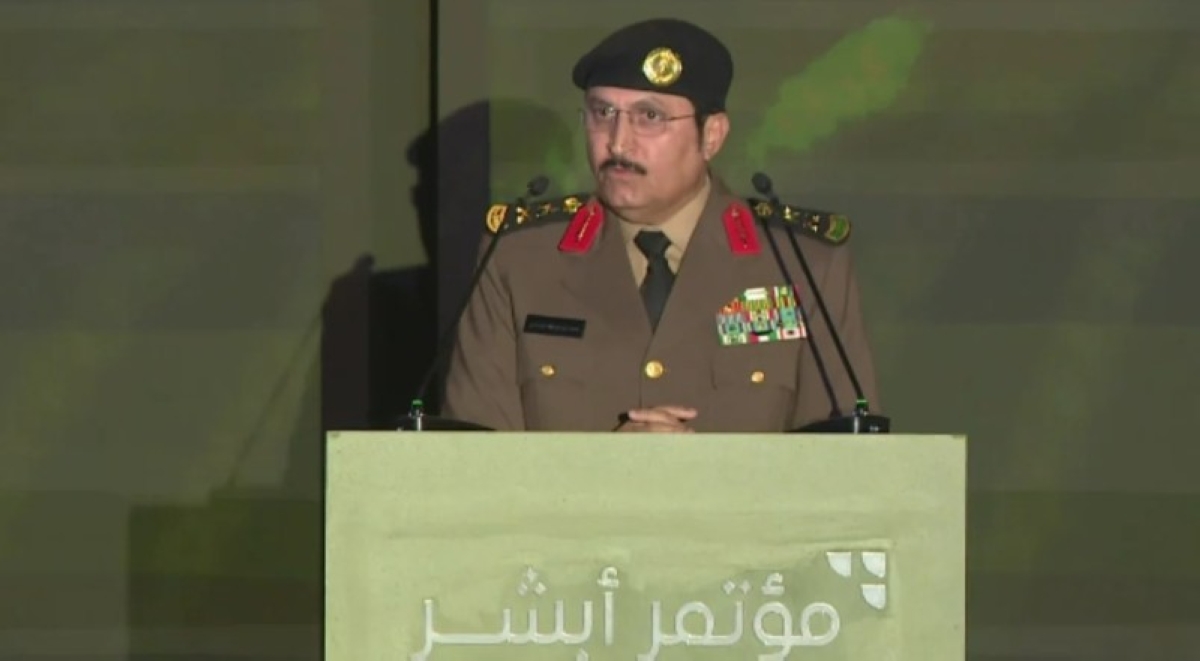

Saudi Arabia is poised to significantly expand its 911 emergency reporting system nationwide, offering increased security and service accessibility to its citizens and residents. Public Security Director Lt. Gen. Mohammed Al-Bassami announced plans for this rollout at the Absher Conference 2025 in Riyadh, building on the current availability of the system in Makkah, Madinah, Riyadh, and the Eastern Province. The expansion is part of a broader initiative to modernize and integrate public safety technologies across the Kingdom.
The announcement, made Thursday, comes as Saudi Arabia continues to invest heavily in technological infrastructure to enhance security and streamline government services. According to Al-Bassami, the plans involve the development of the existing “Maidan” application into a more comprehensive “Maidan Al-Shamel” platform, facilitating data access and collaboration among all Public Security sectors. This expansion aims to create a unified and efficient response system for emergencies.
Expanding the Reach of 911 in Saudi Arabia
Currently, the 911 system serves a substantial portion of the Saudi population, but extending it nationally has been a stated goal for several years. The Ministry of Interior recognizes the critical role of rapid emergency response in maintaining public safety. This expansion will require substantial upgrades to communication networks and coordination between regional Public Security forces.
The “Maidan Al-Shamel” Application
The development of “Maidan Al-Shamel” is central to the broader strategy. “Maidan”, presently utilized by field security officers, provides access to security databases and manages case procedures electronically. The upgraded application will broaden access, allowing all relevant public security personnel to benefit from real-time information sharing and coordinated action. This integrated approach represents a shift towards greater data-driven decision-making.
Al-Bassami also highlighted advancements in physical infrastructure, praising a newly constructed police station in Riyadh’s Al-Salmaniyah district as a model for future development. Plans are in motion to replicate this design, incorporating similar technologies, in Jeddah and the Eastern Province. These stations will likely feature advanced surveillance systems and enhanced forensic capabilities.
Leveraging Artificial Intelligence and Digital Transformation
Artificial intelligence (AI) is emerging as a key component of Saudi Arabia’s security modernization agenda. The new police stations are envisioned to leverage AI for tasks currently handled by personnel, potentially including crime prediction and automated analysis of evidence. The integration of AI technology will require significant investment in training and data management systems.
Data from the Absher Conference 2025 indicates that public security platforms processed an impressive 189 million transactions in 2025. Over 322 services are currently accessible through these platforms, including 911, public security portals, Absher, the “Amn” platform, and the “Maidan” application. The “Maidan” application alone provides 17 distinct services to its users.
Furthermore, Public Security is actively developing a system to manage drones for security operations. This suggests a move towards utilizing unmanned aerial vehicles for surveillance, traffic monitoring, and potentially even emergency response. Regulations surrounding drone operation and data privacy will be critical as this technology is implemented.
The advancements are not limited to stationary infrastructure; Al-Bassami also pointed to the success of a mobile police station in Al-Sayahid. This example showcases the potential for deploying technology to any location within the Kingdom, addressing security needs in remote or underserved areas. The deployment of these smart stations shows the ambition of nationwide security infrastructure.
The strategic plan underpinning these initiatives is reportedly structured around two overarching directives, encompassing 35 specific initiatives, 131 projects, and 10 key focus areas. These areas include cybersecurity, digital transformation, infrastructure development, and operational efficiency, demonstrating a comprehensive and multi-faceted approach to security enhancement. Cybersecurity is a particularly pronounced concern given the increasing reliance on digital systems.
The success of these efforts relies on a well-trained and skilled workforce. The Public Security Directorate recognizes the importance of equipping its personnel with the knowledge and abilities required to operate and maintain these advanced technologies effectively. Ongoing training programs and recruitment strategies are likely being refined to meet these evolving needs.
The ministry also emphasized the need for accurate and timely data. High-quality data is essential for enabling informed decision-making and ensuring the effectiveness of security operations. Improvements in data collection, analysis, and sharing are crucial for realizing the full potential of these new technologies. Leveraging data analytics will also improve emergency services.
Looking ahead, the expansion of the 911 system is expected to proceed in phases, beginning with further infrastructure development and personnel training. A firm timeline for completion has not been released publicly, but officials indicate they are working towards nationwide coverage as quickly as possible. The integration of new technologies and the ongoing assessment of their impact on public safety will remain central to the process. Further announcements detailing smaller-scale deployments or pilot programs are anticipated in the coming months.