
The Indian Ministry of Civil Aviation (MoCA) has intervened to regulate airfares following widespread disruptions caused by issues at IndiGo, the country’s largest airline. Reports of significantly inflated ticket prices on key routes prompted the government action, aimed at protecting passengers from price gouging. The ministry is actively monitoring airlines and travel platforms to ensure compliance with fare caps.
The immediate response focuses on routes heavily impacted by IndiGo’s operational challenges. MoCA issued a directive requiring all airlines to adhere to pre-defined fare limits, which will remain in effect until normal flight operations are restored. This action comes after instances of exorbitant pricing, with some tickets exceeding ₹60,000 for a single journey.
Government Steps In to Ensure Fair Airfares
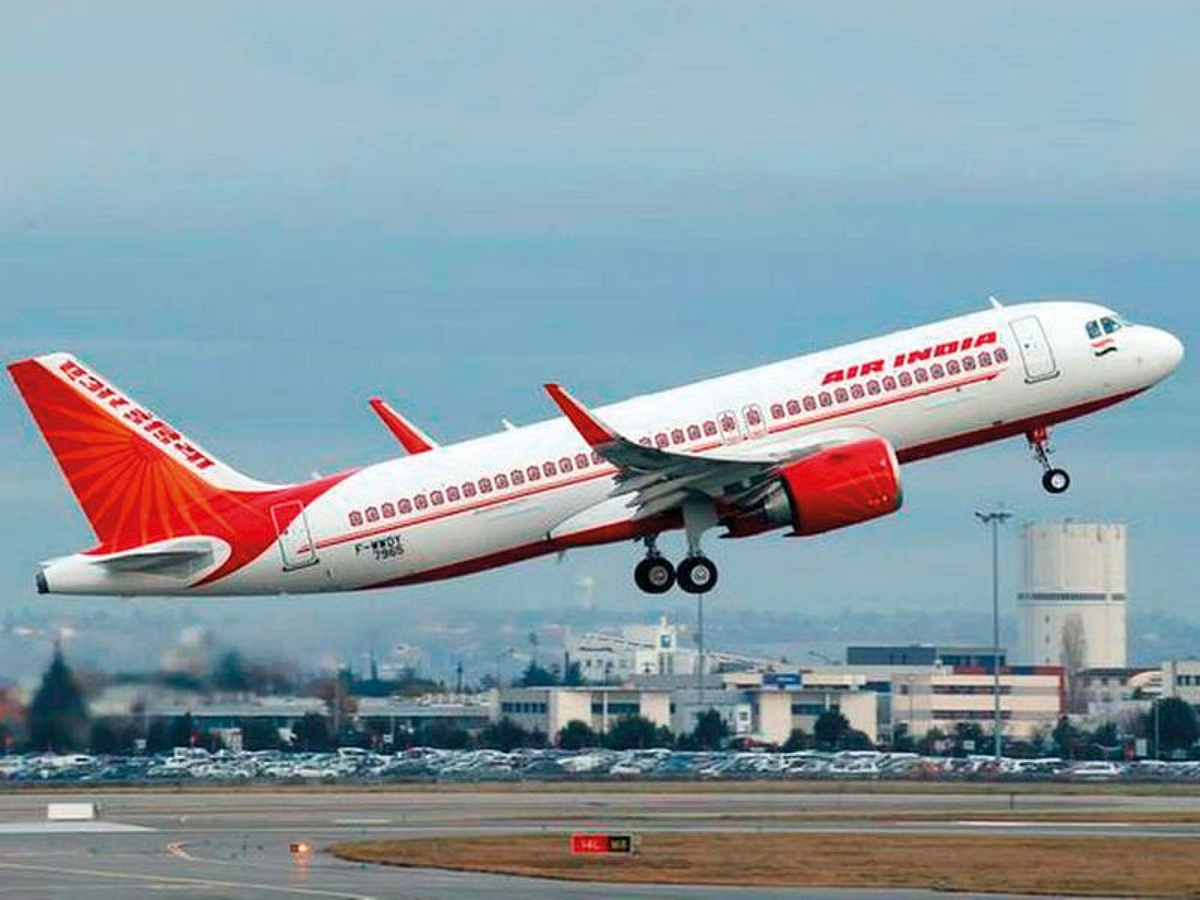
The surge in prices followed a series of flight cancellations and delays attributed to crew shortages at IndiGo. This created a supply-demand imbalance, allowing other airlines to dramatically increase their fares, particularly for last-minute bookings. According to reports, Delhi-Mumbai tickets on Air India reached ₹60,000, while Chennai-Delhi fares on Air India Express climbed to ₹41,000. SpiceJet was also reported to have quoted prices as high as ₹69,000.
The Ministry of Civil Aviation stated the intervention is necessary to prevent exploitation of passengers, especially those with urgent travel needs. This includes senior citizens, students, and individuals requiring medical attention. Maintaining market discipline and ensuring affordability during travel disruptions are key priorities, the ministry emphasized.
IndiGo Refund Requirements
Beyond fare regulation, MoCA has specifically directed IndiGo to expedite the processing of all pending passenger refunds. The airline was given a deadline of 8:00 PM local time on Sunday, December 7th, to complete this task. Furthermore, IndiGo is prohibited from charging passengers any rescheduling fees.
To facilitate a smoother refund process, IndiGo has been ordered to establish dedicated passenger support and refund facilitation cells. These cells will proactively reach out to affected travelers and manage refund requests efficiently. The airline’s automatic refund system will continue operating until operations stabilize, according to the directive.
Addressing Baggage and Passenger Support Needs
The disruptions have also led to issues with baggage handling. IndiGo is required to trace and deliver any separated baggage within 48 hours. Effective communication with passengers regarding the status of their baggage is also mandated.
Concurrently, the ministry has stressed the importance of passenger rights. Airlines are expected to provide compensation to affected travelers as outlined in relevant regulations. These regulations cover cancellations, delays, and lost or delayed baggage.
The situation highlights the potential for price volatility in the Indian aviation sector during periods of disruption. While airlines operate within a largely competitive market, unforeseen events can create opportunities for price increases that may be considered unfair. Some analysts suggest this incident will invigorate calls for more comprehensive and proactive airline consumer protection measures.
Currently, the Directorate General of Civil Aviation (DGCA) oversees airline operations and passenger rights in India. However, the speed at which prices rose suggests the existing framework may not be sufficient to address immediate market imbalances during major disruptions. This incident serves as a case study for evaluating the effectiveness of current regulations and identifying areas for improvement.
MoCA is coordinating closely with all stakeholders – airlines, airport authorities, and security agencies – to mitigate the impact of the disruptions. Special attention is being given to vulnerable passenger groups, including senior citizens, differently-abled individuals, students, and those with urgent medical travel plans. The ministry’s goal remains the swift restoration of normal flight services across the country.
The long-term implications of this intervention remain to be seen. While fare caps provide immediate relief, they may also disincentivize airlines from adding capacity to meet the increased demand. Additionally, the incident could prompt a broader discussion about the need for more transparency in airline pricing practices. The issue of travel disruption insurance is likely to become more prominent as passengers seek to protect themselves from unexpected costs.
MoCA will continue to monitor air travel fares in real-time and enforce the prescribed fare caps until flight operations across the affected routes return to normal. The ministry has not provided a specific timeline for when these caps will be lifted, stating that the duration will depend on IndiGo’s recovery and the overall stability of the flight network. Passengers are advised to check with their airlines and relevant authorities for the latest updates.