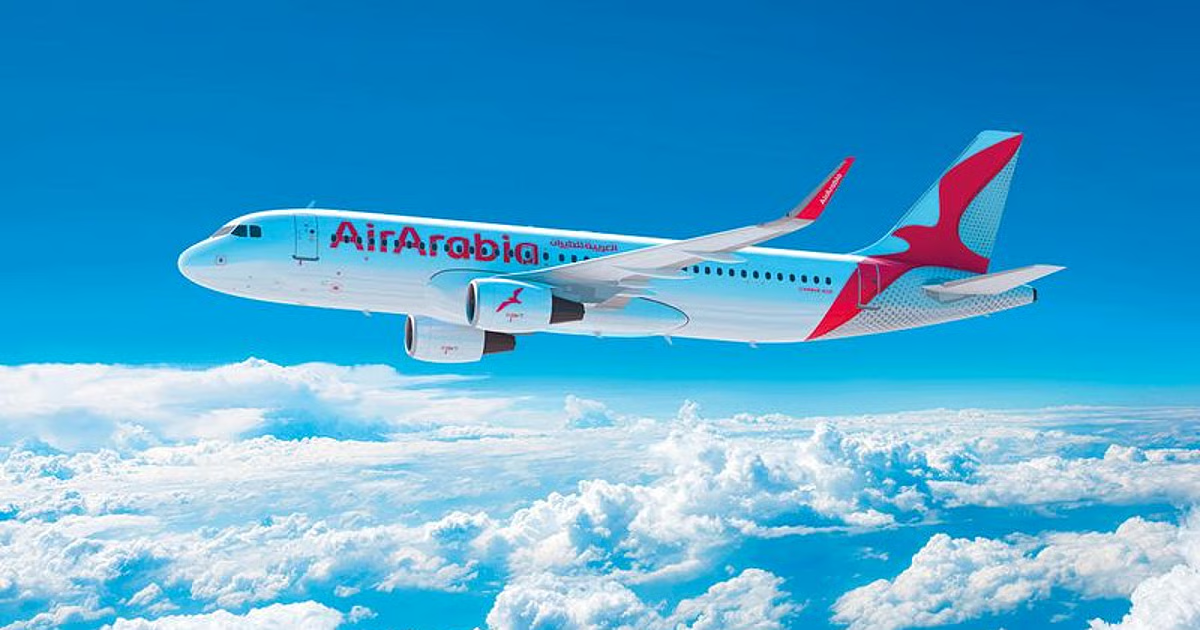

Air Arabia has cancelled a number of flights to various Iranian cities, impacting travel plans for passengers across the region. The cancellations, first reported on Tuesday, affect destinations including Shiraz, Isfahan, and Mashhad, though the precise scope and duration remain fluid. This move by the low-cost carrier comes amid heightened geopolitical tensions and growing concerns over airspace safety, altering Air Arabia’s operational routes.
The airline did not initially provide a definitive explanation for the disruptions, broadly citing “operational reasons”. However, subsequent reports suggest the cancellations are a precautionary measure taken in response to the escalating conflict in the Middle East following the recent attacks. Affected travelers are being offered options including refunds or rebooking on alternative flights, though availability is limited given the current situation.
Understanding the Air Arabia Flight Cancellations to Iran
The cancellations primarily impact flights scheduled for the coming weeks, but there’s no established timeline for resumption of normal service. While Air Arabia hasn’t specified a complete suspension of flights to Iran, the reduction in available routes is significant. The airline has a substantial presence in the region, offering affordable travel options and connecting various destinations across its network.
This situation is unfolding against a backdrop of increased instability. The recent exchange between Iran and Israel, following an attack on the Iranian consulate in Damascus, has raised anxieties about potential further escalation. Several countries have issued travel advisories for the region, urging citizens to reconsider non-essential travel, and some have restricted airspace.
Impact on Passengers and Travel Industry
The immediate impact is felt by passengers with confirmed bookings, many of whom are now scrambling to adjust their plans. Rebooking options are strained due to high demand and limited capacity on alternative routes. Passengers looking at alternative travel arrangements are also likely facing increased fares, as demand outstrips supply.
Additionally, the cancellations place a burden on travel agencies and contribute to disruption within the broader travel industry. Those specializing in travel to Iran are particularly affected, needing to manage customer requests for changes and cancellations. The situation highlights the vulnerability of the aviation sector to geopolitical events.
Geopolitical Context and Airspace Concerns
Several airlines globally have been reviewing their flight paths and security protocols in response to increasing regional instability. The risk of miscalculation or unintended consequences in the current climate is a key concern for aviation authorities. The airspace over several countries in the Middle East is closely monitored, with potential for temporary closures or rerouting of flights.
The cancellations by Air Arabia aren’t isolated. Other carriers are implementing similar measures, including diverting flights around potentially vulnerable areas. Reliable sources indicate heightened monitoring of Iranian airspace by international aviation bodies, although no official ‘no-fly zone’ has been declared. Some airlines have opted for longer, more expensive routes to avoid potentially contested airspace.
Alternatives for Travelers
For those still intending to travel to Iran, options are becoming more limited and potentially costly. Connecting flights via other regional hubs, such as Doha or Istanbul, are likely to see increased demand which will translate to higher prices. The availability of these flights will also depend on the operational decisions of those respective airlines.
Furthermore, travelers should anticipate potential delays and increased security screening at airports. Checking the latest travel advisories issued by their home governments is also crucially important. It is also important to be cognizant of evolving visa requirements for Iran, since geopolitical events can also influence those policies.
The situation also impacts cargo transport. While passenger flights are the most visible aspect, disruptions also affect the movement of goods, potentially impacting supply chains. The degree of the effect on trade remains to be seen, but will likely depend on the duration of the flight disruptions and escalation of the regional conflict.
The UAE’s Ministry of Foreign Affairs has not issued specific guidance beyond encouraging citizens to exercise caution while traveling abroad. However, the indirect impact of these cancellations on the UAE’s role as a regional travel hub should not be discounted. This is as the UAE serves as a key transit point for many travelers headed to and from Iran.
Air Arabia’s decision underscores the complex considerations airlines face when operating in volatile regions. Balancing operational efficiency with passenger safety and geopolitical realities is a constant challenge. The airline is continuously evaluating the situation, and offering refunds or revisions to impacted travelers.
Currently, the Iranian Civil Aviation Authority has not issued any statements regarding the flight cancellations or airspace restrictions. However, it is assumed they are actively monitoring the situation and in communication with regional and international counterparts. The continuation of flight operations, even in a reduced capacity, suggests a desire to maintain connectivity.
The longer-term implications of these disruptions for Air Arabia and the aviation industry more broadly are uncertain. A prolonged period of instability could lead to a more significant reduction in routes and increased operational costs. Competition between airlines for passengers traveling to the region may also be impacted.
Looking ahead, the next few days will be critical in assessing whether the situation de-escalates or continues to worsen. Any further military action or heightened rhetoric will likely result in additional flight cancellations and airspace restrictions. Passengers with travel plans to or through the region should remain vigilant and be prepared for potential changes. Airlines will be closely monitoring developments and adjusting their schedules accordingly, relying on guidance from their respective governments and aviation security agencies.
The date for a formal reassessment of flight schedules by Air Arabia has not been publicly announced, but is expected within the next week, contingent on the geopolitical landscape. Travelers are advised to check the Air Arabia website and contact their travel provider for updated information.