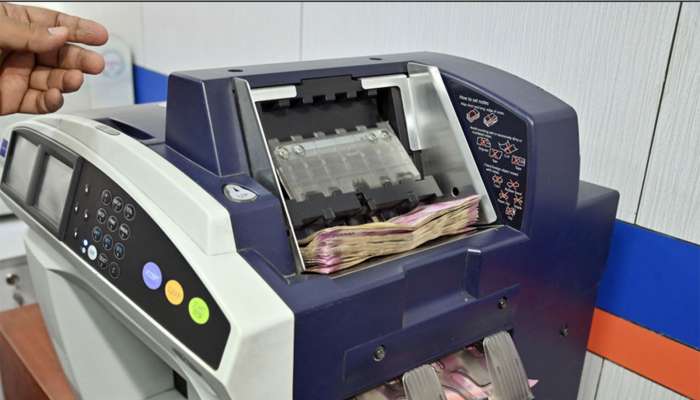

The Indian rupee experienced a challenging 2025, marking its weakest performance since 2022. However, a new outlook from SBI Funds Management suggests a significant shift in the currency’s trajectory, projecting a much slower pace of Indian Rupee depreciation in 2026. The report highlights improving economic fundamentals and a changing global landscape as key drivers for this anticipated stabilization. Understanding these factors is crucial for investors and businesses operating within the Indian economy.
Rupee’s Performance in 2025: A Year of Headwinds
Last year proved difficult for the Indian rupee, sliding nearly 5% against the US dollar. This underperformance stands out particularly as the dollar globally experienced a weakening trend, and many other emerging market currencies actually gained ground. Several interconnected factors contributed to this decline.
One of the most prominent was substantial outflow of foreign portfolio investment (FPI). FPIs offloaded nearly USD 18 billion in Indian equities throughout 2025, largely influenced by corporate earnings revisions, limited participation in the global AI boom, and perceived better investment opportunities elsewhere in the emerging markets space. Weak export figures and increased hedging activity by importers, seeking to protect themselves from further potential declines, also put pressure on the rupee. These combined forces created a challenging environment for the Indian currency.
Projected Slowdown in Indian Rupee Depreciation for 2026
The outlook for the Indian Rupee in 2026 is considerably more optimistic. SBI Funds Management predicts depreciation of approximately 2% in fiscal year 2027, with the exchange rate stabilizing around Rs 92 to the dollar. This represents a substantial deceleration from the 5% decline witnessed in the previous year.
Key Supporting Factors
This positive forecast is built on several key pillars. Firstly, India’s Current Account Deficit (CAD) is expected to remain manageable, below 1% of GDP. This will be supported by robust growth in the services export sector and relatively stable, or even subdued, global oil prices.
Secondly, the anticipated shift in US monetary policy is playing a role. As the Federal Reserve moves closer to the end of its interest rate easing cycle, the US dollar is likely to soften, creating a more favorable environment for emerging market currencies like the rupee. Historically, a weaker dollar has often correlated with increased investment flows into emerging economies.
Improved Competitiveness and Potential Inflows
Further bolstering the outlook is the rupee’s Real Effective Exchange Rate (REER), which currently sits around 5% below its estimated fair value. This undervaluation enhances India’s export competitiveness, potentially attracting more foreign demand for Indian goods and services.
Additionally, there’s growing anticipation of increased capital inflows. The potential inclusion of Indian government bonds in major global bond indices is a significant positive catalyst. A more stable corporate earnings outlook and a renewed influx of FPI equity investments are also expected to ease the pressure on the rupee. Investors are keenly watching foreign exchange rates for signs of these shifts.
Impact of Global Economic Trends on the Rupee
The international economic context is pivotal to the rupee’s performance. The projected moderation in US dollar strength is arguably the most crucial external factor. A weaker dollar generally makes emerging market assets more attractive and reduces the cost of servicing dollar-denominated debt for India.
However, global uncertainties remain. Geopolitical tensions, fluctuations in commodity prices, and the overall health of the global economy all have the potential to influence the rupee’s trajectory. Managing these risks is a key priority for the Reserve Bank of India (RBI). Navigating currency exchange risks requires careful monitoring of these global events.
Domestic Stability and Inflation Management
On the domestic front, a stable macroeconomic environment is expected to support the rupee. Inflation is forecast to remain anchored around the RBI’s 4% target, diminishing the risk of significant, inflation-driven currency shocks. The RBI’s prudent monetary policy and focus on maintaining price stability are crucial in this regard.
Furthermore, continued structural reforms and efforts to improve India’s economic competitiveness are expected to contribute to long-term stability for the currency. This includes initiatives aimed at attracting foreign direct investment and fostering a more favorable business climate.
Looking Ahead: A More Supportive Landscape for the Indian Rupee
The forecast for the Indian Rupee in 2026 paints a picture of stabilization and a reduced pace of depreciation, aided by a confluence of factors. These include a shrinking current account deficit, a softening US dollar, potential inclusion in global bond indices, and improved competitiveness. While global risks remain, the underlying fundamentals suggest a more positive outlook for the Indian currency.
For investors and businesses involved in international trade, staying informed about these developments is crucial. Continuous monitoring of economic indicators, global events, and RBI policies will be key to navigating the evolving foreign exchange landscape and making informed decisions. This expected shift offers a degree of relief after a challenging period, positioning the rupee for a more sustainable path in the coming year.