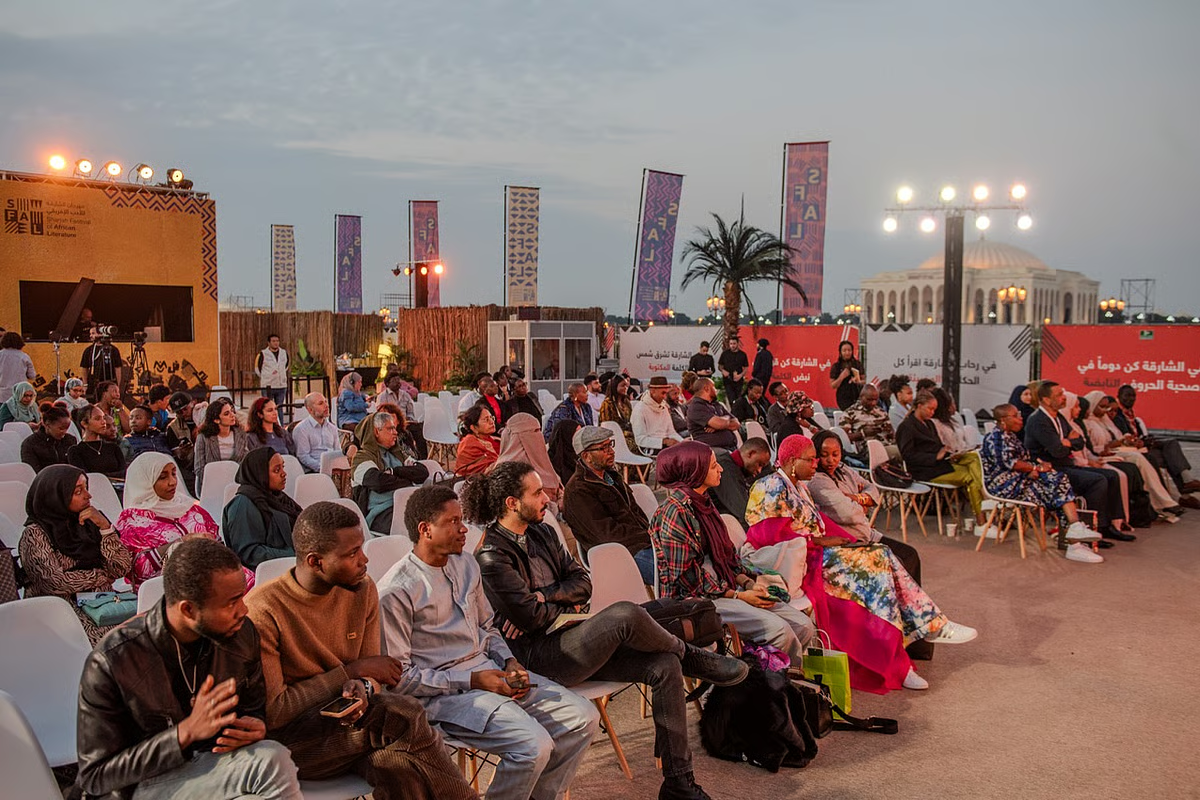

Sharjah will host the second annual Sharjah Festival of African Literature from January 14th to 18th at Sharjah University City. The event aims to foster cultural exchange and highlight the rich literary traditions of the African continent, bringing together authors, poets, and artists from across Africa and the United Arab Emirates. This year’s festival will particularly focus on literature from East and Southern Africa, with special attention given to Zanzibar, Ethiopia, and South Africa.
The festival, a collaboration between Kalimat Group and the Emirates Writers Union, is organized by the Sharjah Book Authority (SBA). It promises a diverse program including panel discussions, poetry readings, book signings, fashion shows, culinary experiences, and immersive cultural activities. The event is expected to draw significant interest from both the local literary community and international attendees.
Celebrating African Literature and Culture in Sharjah
The Sharjah Festival of African Literature builds on the UAE’s growing engagement with African nations, according to Ahmed bin Rakkad Al Ameri, CEO of the SBA. He stated the festival is intended to be a “gateway into Africa’s creative, artistic and heritage landscapes.” This initiative reflects a broader strategy to strengthen cultural ties and promote understanding between the Middle East and Africa.
The festival’s focus on East and Southern Africa represents a deliberate effort to showcase a wider range of African voices and perspectives. While West African literature has received considerable international attention, the literary scenes in these regions often remain less visible. This year’s program seeks to address that imbalance.
A Diverse Program of Events
Attendees can expect a packed schedule of events throughout the five-day festival. Daily panel discussions will explore key themes in African literature, including identity, memory, narrative, and the future of the continent’s storytelling traditions. These discussions will feature both established and emerging writers, offering a platform for critical dialogue.
Poetry readings will be a central component of the festival, showcasing the lyrical power and diversity of poetic expression from East and Southern Africa, as well as from Emirati poets. These readings will provide a direct connection to the emotional and intellectual heart of the literary works.
Beyond Books: Cultural Immersion
The festival extends beyond traditional literary events to offer a holistic cultural experience. An “African Village Experience” will feature handicrafts, textiles, and visual arts, accompanied by live music, drumming, and dance performances. This immersive environment aims to transport visitors to the heart of African culture.
Additionally, the festival will host African fashion shows, presenting the work of both African designers and Emirati creatives inspired by African aesthetics. These shows will highlight the vibrant and innovative fashion scene emerging from the continent.
Culinary Delights and Educational Outreach
Food plays a significant role in cultural expression, and the Sharjah Festival of African Literature will feature live cookery sessions. These sessions will demonstrate the preparation of traditional dishes from Ethiopia, Kenya, Tanzania, South Africa, and Zimbabwe, providing both a culinary demonstration and a cultural context. Tastings will also be available.
Recognizing the importance of engaging younger audiences, the festival will offer daily children’s workshops. These workshops will combine storytelling, art, language, and performance to foster a love of reading and an appreciation for African culture among children. Meanwhile, a university outreach program will bring lectures, workshops, and discussions to students across the UAE.
Supporting African Authors and Artisans
A dedicated book sales area will provide attendees with the opportunity to purchase titles by participating writers. This direct support for authors is a key objective of the festival. Alongside the book sales, a heritage market will offer handcrafted products, jewelry, textiles, home décor, and gifts inspired by traditional African and Emirati designs.
The inclusion of both African and Emirati products in the heritage market underscores the festival’s commitment to fostering collaboration and mutual appreciation between the two cultures. This aspect of the event aims to promote economic opportunities for artisans and small businesses.
Looking ahead, the Sharjah Book Authority has not yet announced the specific theme or focus for the third edition of the festival. However, given the success of this year’s event, it is likely that the SBA will continue to expand the festival’s scope and reach, further solidifying Sharjah’s position as a hub for cultural exchange and literary tourism. The continued development of these initiatives will depend on ongoing partnerships and funding, and the evolving relationship between the UAE and African nations.