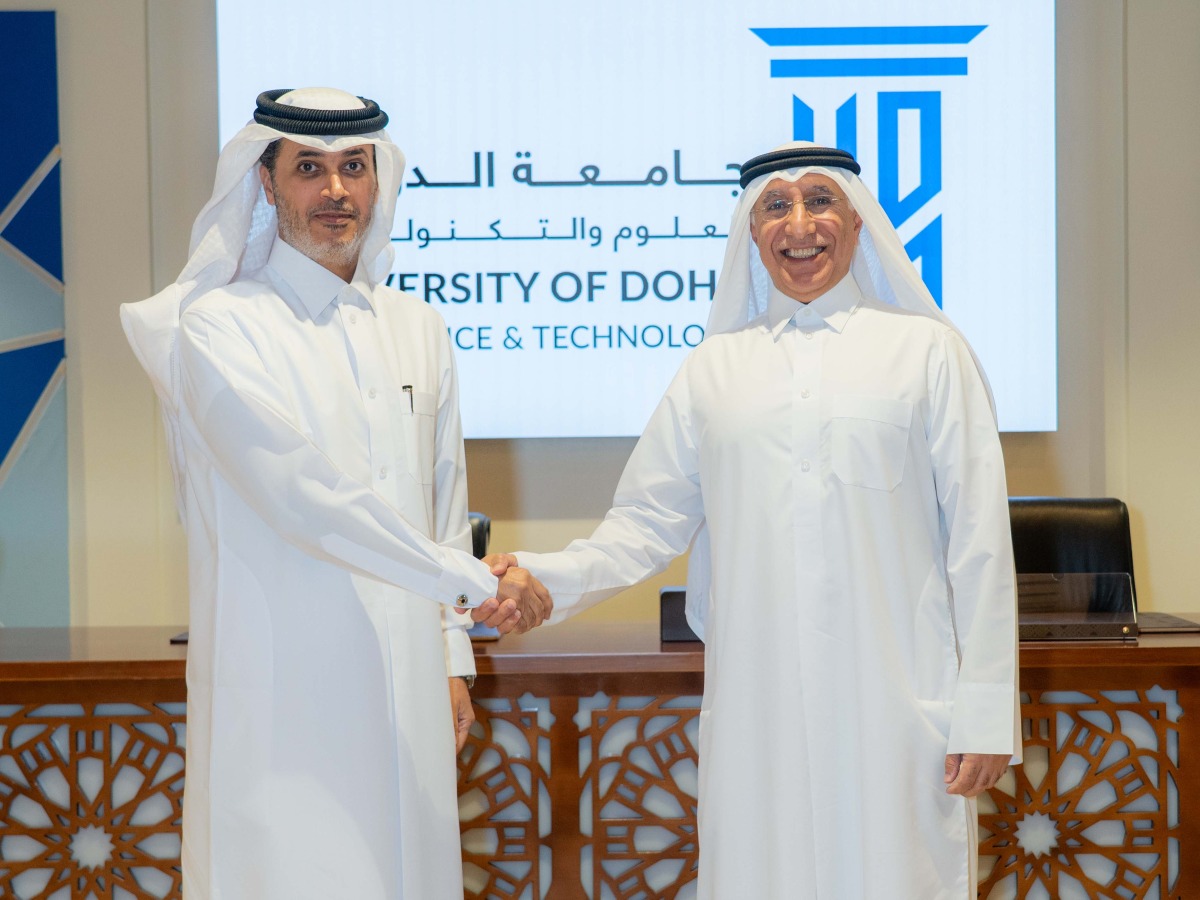

Doha, Qatar – A strengthened partnership between academic institutions and the national media sector is crucial for preparing qualified professionals in a rapidly changing industry, according to Professor Khalid Mubarak Al-Shafi, Editor-in-Chief of The Peninsula and Media Advisor at Qatar Media Corporation (QMC). This collaboration was recently recognized by the University of Doha for Science and Technology (UDST) with an honouring ceremony for Prof. Al-Shafi, highlighting the importance of media education in Qatar. The initiative aims to align academic programs with the evolving needs of the job market, particularly as Qatar prepares to host major international events.
The honouring took place at UDST premises, with President Dr. Salem Al-Naemi presenting the recognition to Prof. Al-Shafi. The event underscored the growing emphasis on practical, applied learning within Qatar’s higher education system and its direct relevance to the country’s media landscape.
The Importance of Applied Media Education
Prof. Al-Shafi emphasized in a Qatar Radio interview that modern media plays a significant role in shaping public opinion. He noted the sector’s constant evolution, driven by factors like digital transformation and the upcoming 2026 sporting events. UDST’s approach to media education, focusing on hands-on experience, was a key factor in the successful collaboration with QMC.
The partnership originated from a strategic vision within QMC, spearheaded by CEO H.E. Sheikh Khalid bin Abdulaziz bin Jassim Al-Thani. This vision prioritized strengthening ties with universities and ensuring that graduates possess the skills demanded by the media industry. The goal is to empower young Qatari talent to represent the nation effectively on local and international platforms.
Developing Arabic-Language Media Programs
Initially, QMC identified UDST’s existing Digital Communication and Media Production program, launched in English in 2022, as a strong foundation. Recognizing a need for more Arabic-language training, QMC proposed the development of a dedicated Arabic track within the program. This proposal received enthusiastic support from UDST President Dr. Al-Naemi.
The Arabic track officially commenced in Fall 2024, with a curriculum specifically designed to meet the operational requirements of QMC. Students now have opportunities for direct professional engagement, including on-air participation, studio training in both radio and television, and practical journalism experience across QMC’s diverse media outlets. This practical experience is a key component of media training.
QMC has committed substantial resources to support the program, providing students with access to its advanced infrastructure and the expertise of its professional staff. This commitment reinforces the connection between academic study and real-world workplace readiness, fostering a pipeline of skilled professionals.
The initiative also aligns with broader strategic directives from QMC leadership to prepare a new generation of media professionals capable of navigating rapid advancements in areas like digital transformation, artificial intelligence, and social media. These developments require a workforce proficient in both traditional and new communication skills.
The groundwork for this collaboration was laid during Sheikh Khalid’s tenure as Director of the Media Development Department, where he first articulated the need for a more proactive approach to developing Qatari media talent. This early vision focused on building strong university partnerships and critically evaluating academic programs to ensure their relevance to the evolving job market.
As a result of this focused approach, cooperation with academic institutions has been significantly strengthened, creating opportunities for ambitious and talented Qatari youth to contribute meaningfully to the future of media in Qatar. The program is expected to produce graduates well-equipped to handle the challenges and opportunities presented by the modern media landscape.
Looking ahead, the success of the Arabic track will be closely monitored to assess its impact on the quality of media professionals entering the Qatari workforce. Further curriculum adjustments and expansions may be considered based on ongoing feedback from QMC and UDST. The long-term implications of this partnership for Qatar’s media sector, particularly in the context of international events, remain a key area of observation.
The Peninsula Qatar provides further coverage of this story.
University of Doha for Science and Technology details are available on their website.
Qatar Media Corporation information can be found here.