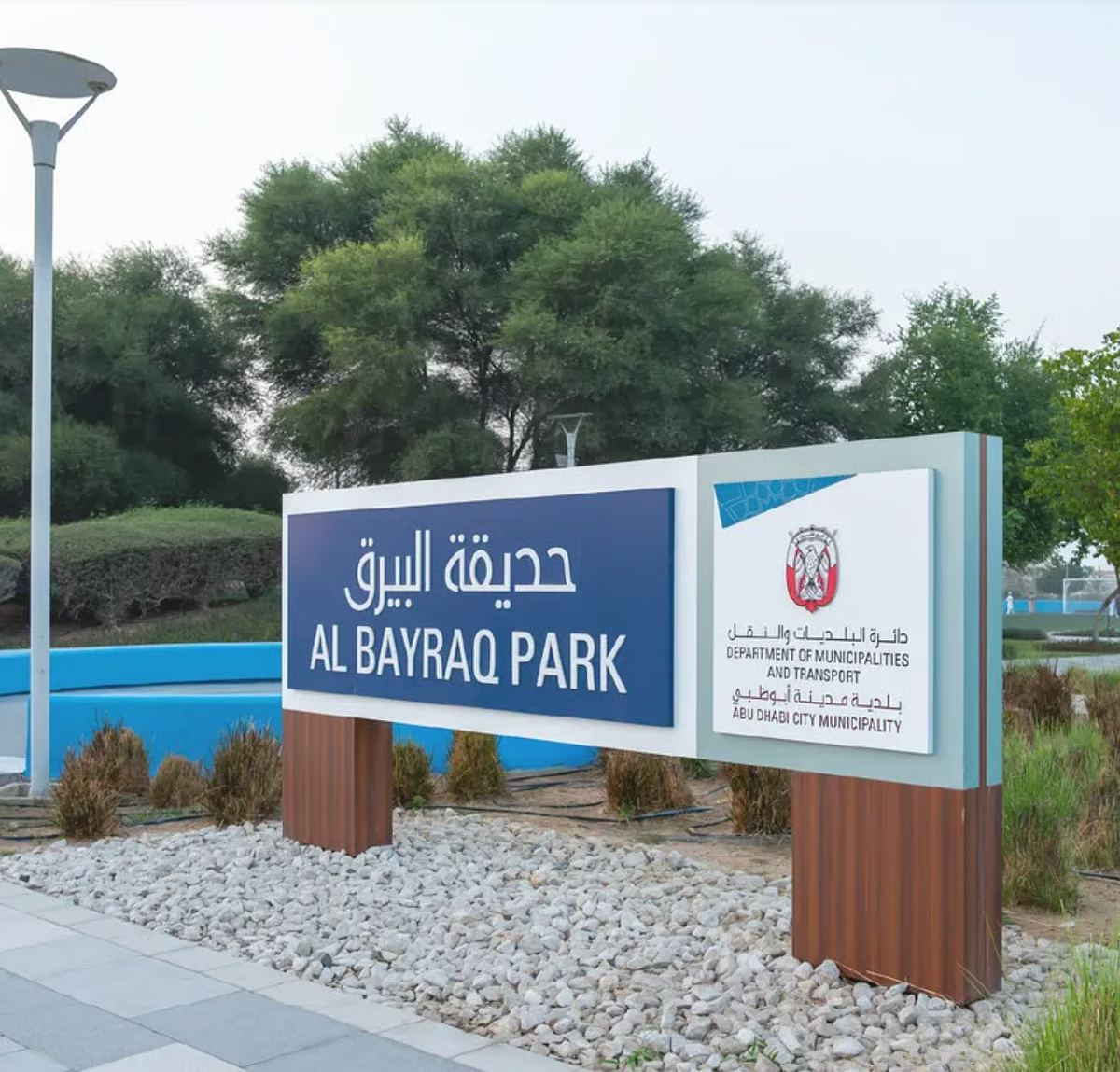

A network of 26 new parks has officially opened across a major metropolitan area, providing enhanced recreational opportunities for residents of all ages. The initiative, completed this month, introduces significant green spaces into previously underserved residential neighborhoods. These parks feature a range of amenities, including fitness zones, sports courts, and inclusive playgrounds, aiming to promote community well-being and active lifestyles.
The project, spearheaded by the city’s Parks and Recreation Department, represents a substantial investment in public spaces. Construction began in late 2022, with phased openings throughout the year culminating in the full launch this month. The parks are strategically located to ensure accessibility for a large portion of the population, particularly families and individuals seeking convenient outdoor activities.
The Impact of New Parks on Community Life
The development of these parks addresses a growing need for accessible outdoor recreation, particularly in densely populated urban areas. Studies have consistently shown a correlation between access to green spaces and improved physical and mental health outcomes. Additionally, parks serve as vital social infrastructure, fostering community connections and providing safe spaces for children to play.
Features Designed for All Residents
Each of the 26 parks incorporates a consistent set of features designed to cater to a diverse range of interests and abilities. Eight outdoor fitness zones offer equipment for various exercise routines, promoting physical activity for adults and teenagers. A total of 25 sports courts accommodate basketball, tennis, volleyball, and other popular sports, encouraging friendly competition and skill development.
A key focus of the project was inclusivity. All 26 children’s play areas were constructed to meet universal design standards, ensuring that children with disabilities can participate fully in play. This includes features like ramps, accessible surfacing, and sensory play elements. The city’s commitment to community parks reflects a broader trend toward prioritizing equitable access to public amenities.
Beyond Playgrounds and Courts: Encouraging Social Interaction
The parks aren’t solely focused on active recreation. Extensive walking tracks weave through the landscaped lawns, providing opportunities for leisurely strolls and exercise. Shaded seating areas and thoughtfully designed communal spaces encourage residents to gather, relax, and socialize.
According to the Parks and Recreation Department, the landscaping choices prioritize native plant species, contributing to local biodiversity and reducing water consumption. This aligns with the city’s broader sustainability goals. The integration of green infrastructure within the urban fabric is increasingly recognized as a crucial element of resilient city planning.
The project’s funding came from a combination of municipal bonds and grants from state and federal sources. The total cost of the initiative is estimated at $85 million. This investment represents a significant portion of the city’s capital improvement budget for the current fiscal year.
While the initial construction phase is complete, ongoing maintenance and programming will be essential to the long-term success of the parks. The Parks and Recreation Department has announced plans to partner with local community organizations to offer a variety of activities, including fitness classes, art workshops, and environmental education programs.
The introduction of these parks is expected to have a positive impact on property values in surrounding neighborhoods. Access to quality public spaces is often cited as a desirable amenity by prospective homebuyers. However, the extent of this impact will likely vary depending on specific location and market conditions.
In contrast to some previous park development projects, this initiative prioritized community input throughout the planning process. Public meetings and online surveys were used to gather feedback from residents on park design and amenities. This collaborative approach is intended to ensure that the parks truly meet the needs of the communities they serve.
The city is also exploring options for expanding its network of green spaces in the future. A recent feasibility study identified several potential sites for new parks and greenways. The study, commissioned by the city council, will be presented to the public next month.
Looking ahead, the Parks and Recreation Department will be monitoring park usage and gathering feedback from residents to assess the effectiveness of the new facilities. A comprehensive evaluation report is expected to be released in the spring of 2025. The report will likely inform future park development and maintenance strategies. The long-term success of these parks will depend on continued investment and community engagement.