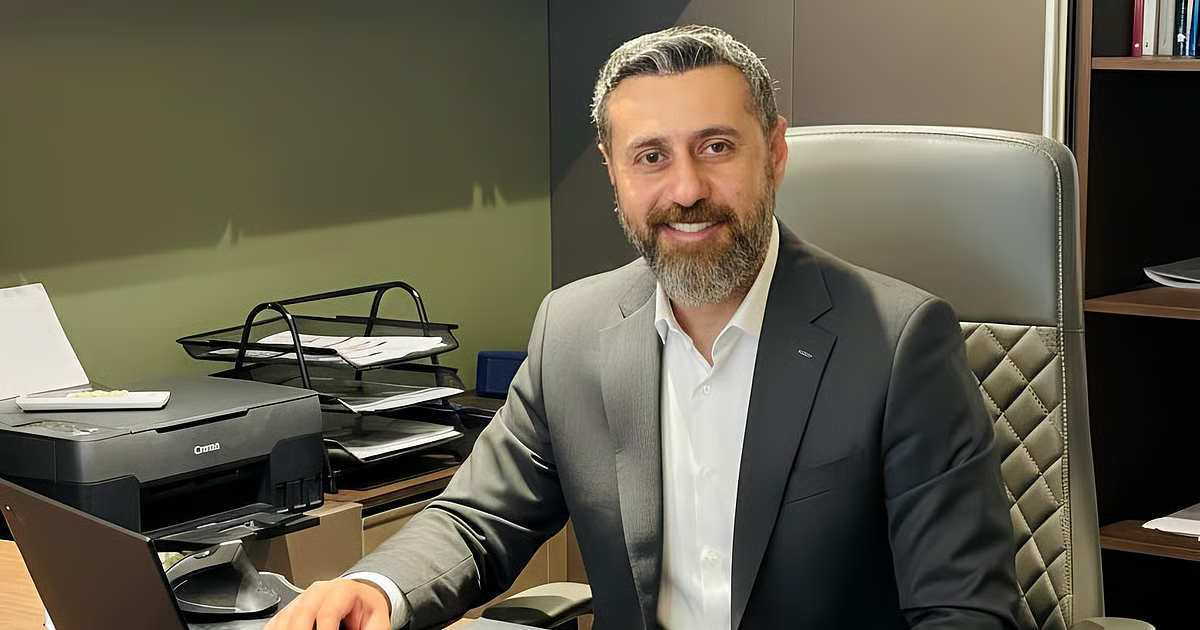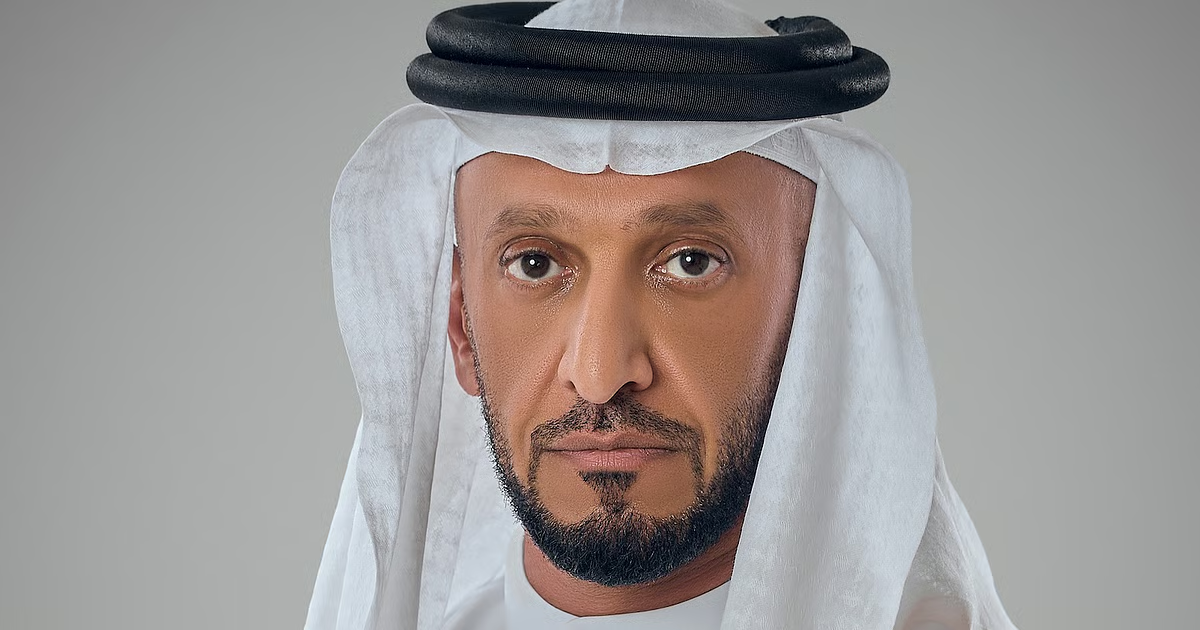

The United Arab Emirates government has announced new leadership appointments at the National Media Authority (NMA), effective immediately. Dr. Khalid Abdullah Aljassim was named Director-General, replacing Mansour Al Mansouri, while Hend Al Hamami has been appointed Deputy Director-General. These changes to the UAE’s National Media Authority structure signal a continued emphasis on modernizing the nation’s media landscape and aligning it with ambitious economic and social goals.
The appointments were made through decrees issued by President Sheikh Mohamed bin Zayed Al Nahyan. Dr. Aljassim brings extensive experience in the technology and communications sectors, while Al Hamami is a veteran journalist and media executive. The move comes amid a period of rapid digital transformation across the UAE and increasing focus on the role of media in shaping national identity and global perception.
New Leadership for the National Media Authority
Dr. Khalid Abdullah Aljassim’s selection as Director-General reflects the UAE’s commitment to integrating technological innovation with media regulation and development. Prior to this role, he held key positions within the UAE’s telecommunications sector, with a focus on digital infrastructure. This experience is anticipated to be instrumental in guiding the NMA’s strategies related to online content, digital media platforms, and emerging technologies impacting the industry.
Al Hamami’s appointment as Deputy Director-General complements Aljassim’s background. Her decades-long career in journalism includes significant roles at prominent media outlets throughout the region, and she’s well-regarded for her understanding of journalistic ethics and industry trends. Her expertise will likely prove valuable in navigating the evolving relationship between traditional and new media forms.
Responsibilities of the National Media Authority
Established in 2018, the NMA serves as the independent regulatory body overseeing media activity within the UAE. It’s responsible for licensing, monitoring, and ensuring compliance with national laws and regulations related to content. The NMA’s remit extends to traditional media such as television and radio, as well as digital platforms, including social media and online publications.
The authority plays a vital role in promoting media literacy and safeguarding national values. According to the UAE government, its work contributes to fostering a responsible and informed media environment. This involves collaborating with media organizations, civil society groups, and educational institutions.
Changes in the Broader UAE Media Landscape
The UAE has undergone significant changes in its media sector over the past decade. Historically, state-owned media organizations dominated the landscape. However, in the recent years, there’s been a noteworthy expansion of privately-owned outlets and an increase in foreign media presence, driven by the country’s opening up to international investment and tourism.
This liberalization has been accompanied by updated regulations aimed at balancing freedom of expression with the need to maintain social order and protect national security. The government also prioritizes the development of a robust and competitive digital economy, recognizing the importance of media as a core component. These aims are detailed in the UAE’s “National Strategy for Artificial Intelligence 2031” and other long-term planning documents.
The outgoing Director-General, Mansour Al Mansouri, oversaw the initial establishment and operationalization of the NMA. He played a key role in developing the regulatory framework and fostering collaboration between the authority and various stakeholders. The ministry has not yet released a statement detailing the reasons for the leadership transition.
Additionally, the UAE’s media strategy is increasingly focused on projecting a positive global image and promoting the nation’s cultural heritage. The authority is expected to actively support initiatives that showcase the UAE’s achievements and contributions to regional and international affairs. The development of content creation capabilities is therefore a core goal.
Implications of the New Appointments
Analysts suggest that Dr. Aljassim’s technological background may lead to a greater emphasis on regulating online platforms and addressing challenges related to misinformation and cyber security. Given the increasing prevalence of these issues globally, this shift in focus would align with international trends.
However, experts caution against expecting a radical departure from existing policies. The UAE has traditionally maintained a firm hand in controlling media content, and the NMA will likely continue to prioritize national interests. It is expected that the new leadership will build upon the foundation laid by Al Mansouri, refining existing regulations and addressing emerging challenges.
The promotion of Al Hamami also points to a continued commitment to supporting professional journalism. The NMA may introduce initiatives aimed at enhancing the skills and knowledge of journalists, promoting ethical reporting, and fostering a more vibrant media ecosystem. The focus on professional standards may also influence media regulations.
In contrast to some other nations in the region, the UAE’s approach to media regulation has been relatively sophisticated and proactive. This is demonstrated by the efforts to adopt best practices and collaborate with international organizations. The appointment of these new leaders suggests that this approach will continue.
The new leaders will face a complex set of challenges in the coming months, including navigating the tension between free expression and responsible reporting, regulating the rapidly evolving digital landscape, and promoting the growth of a sustainable and competitive media sector. The authority must also contend with the rising influence of social media as a primary news source.
Looking ahead, the immediate priority for the new leadership will be to familiarize themselves with the NMA’s ongoing projects and challenges. A comprehensive review of the authority’s strategic plan is likely to follow. Any potential changes to existing media regulations are expected to be introduced incrementally, with public consultations providing opportunities for stakeholder feedback. The long-term impact of these appointments on the UAE’s media landscape remains to be seen and will be contingent upon the implementation of their strategies and the broader political and economic environment.