
Kuwait and the United Arab Emirates are poised to strengthen their cultural bonds, with a particular focus on collaboratively showcasing the rich history of the region, including the fascinating Dilmun civilization. This renewed commitment comes as Kuwait looks to the UAE’s successful museum development as a model for its own cultural institutions. Recent discussions and a visit to Abu Dhabi’s Zayed National Museum signal a period of increased cooperation and shared heritage initiatives between the two nations.
Deepening Kuwait-UAE Cultural Cooperation
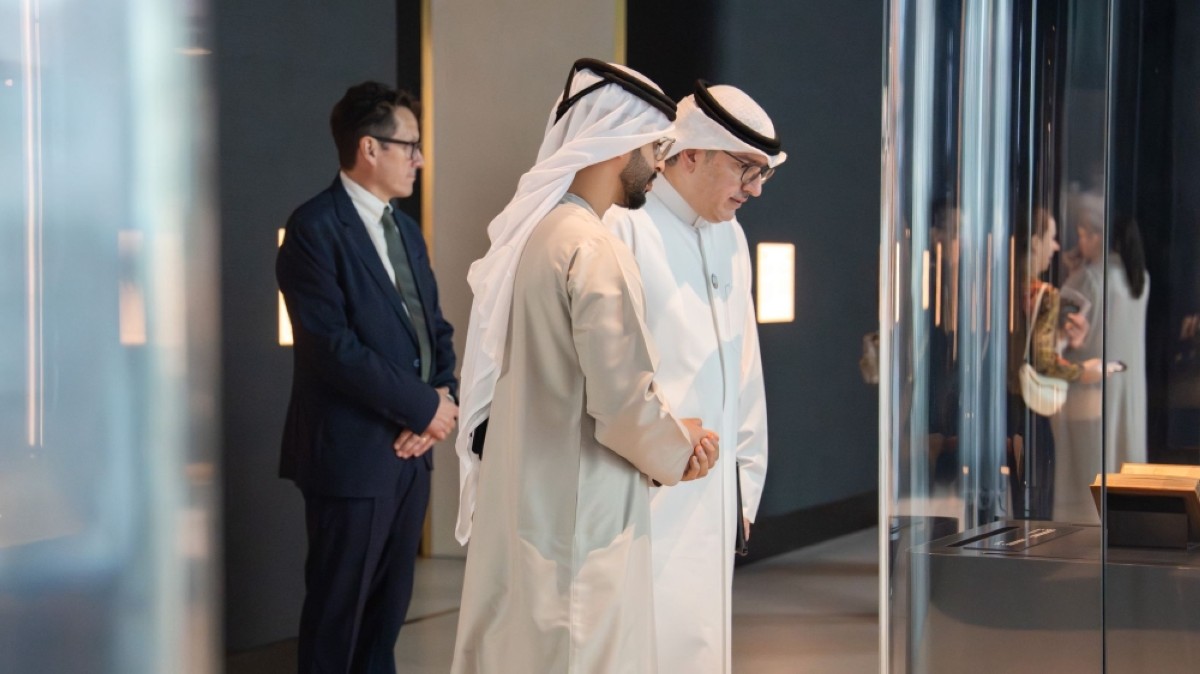
Mohammad bin Redha, Acting Assistant Secretary General for Antiquities and Museums at Kuwait’s National Council for Culture, Arts and Letters, recently emphasized the importance of learning from the UAE’s experience in establishing world-class museums. His remarks followed a visit to the Zayed National Museum in Abu Dhabi, extended by the Abu Dhabi Department of Culture and Tourism, and coincided with a week dedicated to celebrating Kuwaiti-Emirati relations.
Bin Redha highlighted the intention to move beyond simply acknowledging the strong ties between Kuwait and the UAE, and actively translate that relationship into concrete collaborative projects. This includes a multi-faceted approach encompassing organized visits for professionals, the exchange of specialized expertise, coordinated scheduling of cultural events, and the formalization of partnerships through Memoranda of Understanding (MoUs). These MoUs will serve as a framework for strengthening shared cultural work and ensuring long-term sustainability of these initiatives.
A Focus on Shared Heritage
A key area of mutual interest identified by both Kuwait and the UAE is the region’s shared history and the legacy of ancient civilizations. Specifically, both nations recognize the significance of the Dilmun civilization, a Bronze Age culture that flourished in the Persian Gulf region for millennia.
Documenting and presenting this shared heritage through compelling exhibitions and engaging museum programs is seen as crucial. This isn’t just about preserving the past; it’s about fostering a stronger sense of identity and connection for future generations. The exploration of ancient trade routes, societal structures, and artistic achievements of civilizations like Dilmun offers a unique lens through which to understand the modern Gulf region.
Learning from the Zayed National Museum
Bin Redha’s visit to the Zayed National Museum provided a valuable opportunity to observe best practices in museum presentation, scientific research, and cultural event organization. He specifically praised the museum’s advanced level in these areas, noting its ability to effectively communicate complex historical narratives to a broad audience.
The museum’s exhibits dedicated to the life and legacy of Sheikh Zayed bin Sultan Al Nahyan, the founding father of the UAE, were particularly impactful. This focus on national identity and leadership serves as a potential model for Kuwait as it develops its own cultural narratives. Furthermore, the museum’s commitment to rigorous research and innovative exhibition design offers valuable insights for Kuwait’s own museum development plans. This exchange of knowledge is a vital component of the broader cultural cooperation initiative.
Expanding Museum Capacity in Kuwait
Kuwait’s interest in bolstering its museum sector isn’t simply about replicating the UAE’s success. It’s about building capacity within its own institutions to effectively preserve, research, and present its unique cultural heritage. This includes investing in training for museum professionals, upgrading facilities, and developing innovative exhibition techniques.
The collaboration with the UAE will provide Kuwait with access to expertise in areas such as conservation, digital archiving, and audience engagement. This will ultimately enhance the visitor experience and ensure that Kuwait’s cultural treasures are accessible to both local and international audiences. The development of cultural tourism is also expected to benefit from these improvements.
Strengthening Bilateral Ties Through Culture
Bin Redha expressed his gratitude to the Abu Dhabi Department of Culture and Tourism for their invitation and for the cultural initiatives that demonstrate the UAE’s commitment to strengthening ties with Kuwait. He described the atmosphere of cooperation as “brotherly,” reflecting the deep and longstanding relationship between the two countries.
This renewed focus on cultural collaboration represents a significant step in deepening the bilateral relationship between Kuwait and the UAE. By working together to preserve and promote their shared heritage, including the fascinating story of the Dilmun civilization, both nations are investing in a future built on mutual understanding and respect. The increased heritage preservation efforts will undoubtedly benefit both countries.
Ultimately, this partnership promises to enrich the cultural landscape of the Gulf region and provide a platform for showcasing its unique history to the world. Further details on specific collaborative projects and the signing of MoUs are expected in the coming months, signaling a new era of cultural exchange and cooperation. Readers interested in learning more about Kuwaiti and Emirati cultural initiatives are encouraged to visit the websites of the National Council for Culture, Arts and Letters in Kuwait and the Abu Dhabi Department of Culture and Tourism.