
Abu Dhabi is undertaking a comprehensive redevelopment of the Musaffah area, marked by intensified inspection campaigns and significant infrastructure improvements. The initiative aims to enhance the area’s position as a key industrial and commercial hub, addressing issues of cleanliness, public safety, and traffic flow. These efforts are part of a larger plan to attract investment and create a more sustainable and integrated urban environment within the capital.
Work has already begun on upgrading key road corridors, including the Musaffah–Al Ain Road (E30) and Street 8, according to recent announcements. Simultaneously, authorities are increasing inspections and public awareness programs to ensure compliance with municipal regulations and curb practices that contribute to visual and environmental concerns. The project is expected to unfold over several phases, with ongoing assessments to adapt to evolving needs.
Musaffah Redevelopment: A Focus on Infrastructure and Compliance
The Musaffah redevelopment project is strategically important for Abu Dhabi’s economic growth. Engineer Essa Mubarak Al Mazrouei, Director General of Infrastructure Development and Chairman of the Supervisory Committee, emphasized Musaffah’s central role in industry and trade. The area serves as a vital link for commercial goods movement and requires modernization to meet future demands.
Road Improvements to Ease Traffic Congestion
The initial phase of the project centers on improving transportation infrastructure. Upgrades to the Musaffah–Al Ain Road (E30) and Street 8 are designed to enhance traffic flow and reduce congestion, particularly for commercial vehicles. These improvements are expected to streamline logistics and support the efficient movement of goods throughout the region. The Department of Municipalities and Transport (DMT) has not yet released a specific timeline for completion of the roadwork.
Enhanced Inspection and Public Awareness
Alongside infrastructure development, the Department is implementing stricter inspection campaigns targeting both residents and business owners. These inspections aim to ensure adherence to regulations concerning cleanliness, public health, and safety standards. Additionally, efforts are underway to address overcrowding issues in line with existing municipal bylaws. The goal is to foster a more organized and livable environment.
These inspection campaigns are coupled with public awareness initiatives designed to educate the community about their responsibilities and the importance of compliance. The Department believes that a collaborative approach, involving both enforcement and education, will be most effective in achieving long-term improvements. This focus on Musaffah’s overall environment is a key component of the broader urban planning strategy.
However, maintaining compliance will require sustained effort from both authorities and the community. Addressing long-standing issues of visual distortion and irregular practices will necessitate ongoing monitoring and enforcement. The success of these initiatives will depend on the active participation of all stakeholders.
Attracting Investment and Sustainable Development
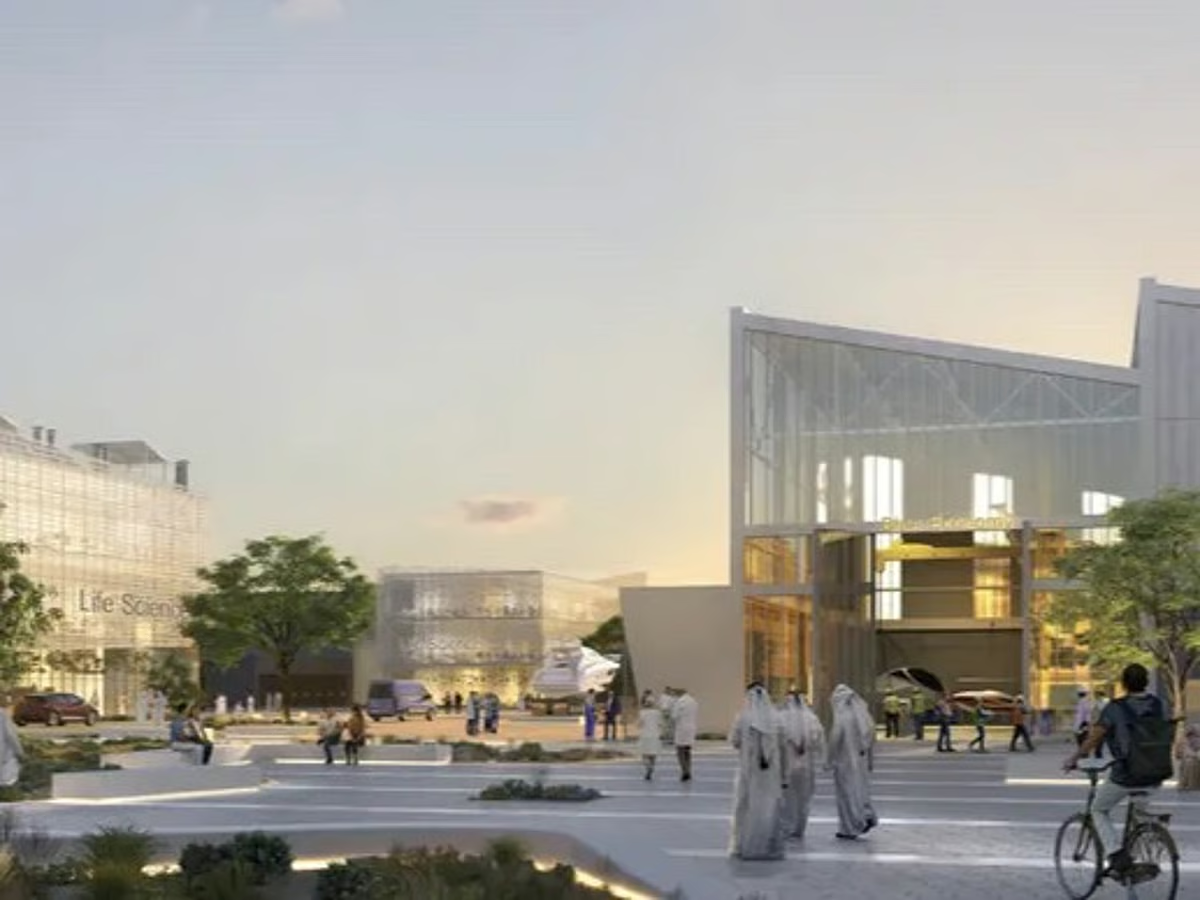
The Musaffah redevelopment plan extends beyond infrastructure and compliance to encompass broader goals of economic and social development. The project aims to create an integrated living and working environment that attracts further investment and fosters innovation. This includes upgrading essential services and promoting smart urban design principles.
The development is being implemented in partnership with strategic stakeholders, leveraging innovative solutions in infrastructure, transportation, and urban planning. The ultimate objective, according to officials, is to transform Musaffah into a global benchmark for economic zones. This ambition requires a long-term commitment to sustainable practices and continuous improvement.
The project also considers the importance of urban planning and infrastructure development in supporting economic diversification. By creating a more attractive and efficient business environment, the redevelopment aims to encourage new industries and create employment opportunities. This aligns with Abu Dhabi’s broader vision for a knowledge-based economy.
Looking ahead, the Supervisory Committee will continue to monitor the progress of the redevelopment project and assess its impact on the Musaffah area. Further studies are planned to evaluate the effectiveness of the inspection campaigns and identify areas for improvement. The next phase of the project will likely focus on detailed design plans for upgrades to essential services, with a projected timeline for implementation expected to be released in the coming months. The long-term success of the Musaffah project remains contingent on continued investment and collaboration between government entities and the private sector.