





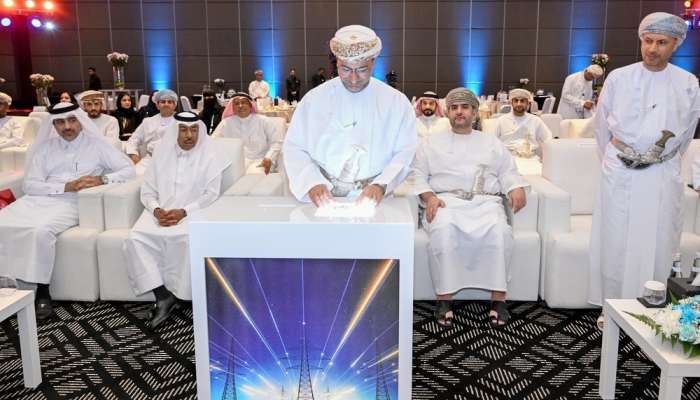

The Gulf Cooperation Council (GCC) is taking a significant stride towards enhanced energy security and regional integration with the commencement of a direct electrical interconnection project with the Sultanate of Oman. This ambitious undertaking, announced recently in Muscat, represents a major expansion of the existing Gulf Interconnection Grid and underscores the commitment of GCC leaders to a unified and resilient energy future. The project, valued at approximately USD 700 million, promises substantial operational and economic benefits for all member states.
Strengthening Regional Infrastructure: The Oman-GCC Electrical Interconnection
This direct electrical interconnection isn’t simply about adding more capacity to the power grid; it’s a strategic move rooted in a long-term vision for Gulf integration. As highlighted by Mohsen Hamad Al Hadrami, Undersecretary of the Ministry of Energy and Minerals and Chairman of the Board of Directors of the GCCIA, energy security is paramount for national stability, economic growth, and sustainable development. The Gulf Interconnection Project, initiated over two decades ago, has already proven its worth, and this expansion builds upon that success.
The project directly addresses the evolving energy landscape of the GCC, characterized by increasing electricity demand, expanding internal grids, and a growing emphasis on renewable energy sources. It’s a proactive step to ensure the region can reliably meet its power needs while simultaneously embracing a cleaner energy future.
A Cornerstone of Gulf Cooperation
The GCC Interconnection Authority (GCCIA) views this project as one of its largest expansion endeavors to date. Eng. Ahmed Ali Al Ibrahim, CEO of the GCCIA, emphasized its importance in accommodating the rapid growth in electricity demand across the region. Furthermore, the interconnection will play a crucial role in supporting the integration of renewable energy projects and bolstering grid readiness for unforeseen emergencies.
This isn’t a solitary effort. The project is a testament to the power of Gulf partnerships, with financing secured through collaborations with the Qatar Fund for Development and Sohar International Bank. Fahad Hamad Al Sulaiti, Director General of the Qatar Fund for Development, underscored the Fund’s commitment to strengthening Arab economies through vital infrastructure investments.
Project Details: Connecting the Grids
The physical infrastructure of the Oman-GCC electrical interconnection is substantial. It involves the construction of two 400 kV electrical lines, stretching approximately 530 kilometers, connecting the Al Sila station in the United Arab Emirates to a newly established Ibri station in Oman.
Key Components and Capacity
Beyond the transmission lines, the project includes the construction of two main 400 kV transmission stations in Ibri and Al Bynouna, equipped with state-of-the-art protection, control, and communication systems. A dynamic compensator station will further enhance grid stability and transmission capacity.
The total capacity of this interconnection is an impressive 1,600 MW. This significant increase in capacity will dramatically improve the flexibility of the Gulf grid and allow Oman to efficiently exchange energy with its neighboring countries. This enhanced power grid interconnection will be vital for managing peak demands and ensuring a consistent energy supply.
Benefits and Future Implications of the GCC Interconnection
The benefits of this project extend far beyond simply increasing power capacity. It will contribute to the reliability of electrical grids, provide crucial support during emergencies, and facilitate the integration of renewable energy sources. The project is expected to generate significant economic and operational savings for GCC member states.
Moreover, the regional energy integration fostered by this project aligns with the GCC’s broader goals of energy transition and carbon emission reduction. It solidifies the Gulf Interconnection’s position as a global model for how regions can collaborate to build resilient and sustainable energy systems. The project also supports the broader push for sustainable energy infrastructure in the region.
The successful implementation of this project demonstrates the GCCIA’s ability to translate the strategic vision of GCC leaders into tangible results. It’s a clear signal of the region’s commitment to a future powered by collaboration, innovation, and sustainability.
In conclusion, the Oman-GCC electrical interconnection is a landmark achievement that will strengthen regional energy security, promote economic growth, and accelerate the transition to a cleaner energy future. This project serves as a powerful example of how regional cooperation can address complex challenges and unlock new opportunities for sustainable development. Further investment in similar projects will be crucial to maintaining the GCC’s position as a leader in energy innovation and regional integration.