






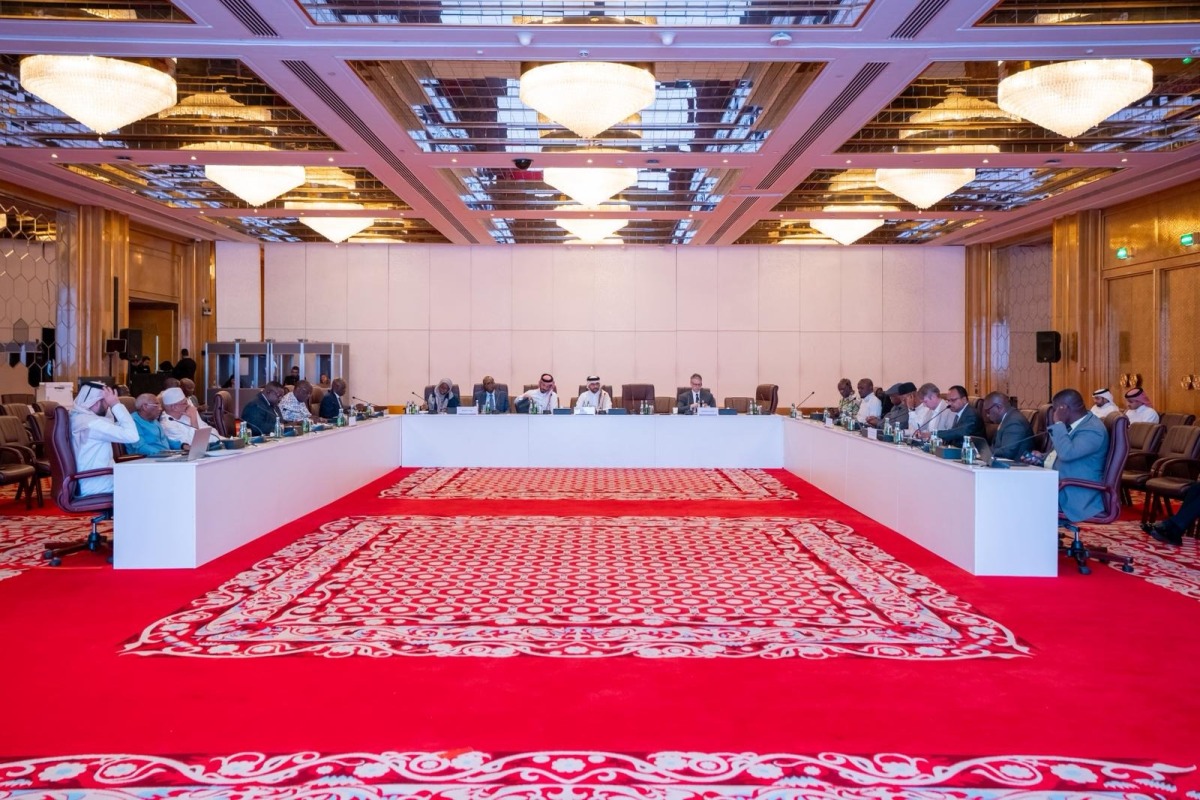

Doha, Qatar – The Democratic Republic of Congo (DRC) government and the Alliance Fleuve Congo / March 23 Movement (AFC/M23) have formally agreed on the terms of reference for a ceasefire monitoring mechanism, a significant step towards de-escalating conflict in eastern DRC. The agreement, reached at a meeting hosted by Qatar, builds upon the Doha Framework Agreement for Peace signed in November 2025 and aims to solidify a fragile ceasefire. This development offers a potential pathway to stability in a region plagued by ongoing violence.
The signing ceremony concluded a meeting of the Ceasefire Oversight and Verification Mechanism between the DRC government and the M23, facilitated by the State of Qatar. Observers from the United States, the African Union, the Republic of Togo (acting as the AU mediator), and the United Nations Organization Stabilization Mission in the Democratic Republic of the Congo (MONUSCO) were present, alongside representatives from the International Conference on the Great Lakes Region.
Progress Towards a Lasting Ceasefire in the DRC
The eastern DRC has experienced decades of instability, fueled by ethnic tensions, competition for resources, and the presence of numerous armed groups. The M23, a primarily Tutsi rebel group, has been a major source of conflict in recent years, particularly in North Kivu province. Their activities have led to widespread displacement and humanitarian concerns. According to the United Nations, millions have been affected by the ongoing unrest.
The Doha Framework Agreement, signed last year, represented an initial attempt to address the root causes of the conflict and establish a framework for peace. However, implementation has been slow and challenges remain. This latest agreement on the terms of reference for the verification mechanism is intended to accelerate the process and build trust between the warring parties.
Key Outcomes of the Doha Meeting
Participants at the meeting reaffirmed their commitment to the existing ceasefire and the broader peace agreement. Discussions focused on practical measures to improve monitoring, verification, and information sharing. The need for transparency and accountability was repeatedly emphasized by all parties involved.
A key decision was the authorization of the first field mission by MONUSCO to the city of Uvira. This mission, scheduled to deploy in the coming days, will focus on monitoring the ceasefire and assessing the security situation on the ground. Establishing reliable communication channels to support the mission’s work is also a priority.
Additionally, the meeting addressed existing challenges hindering the peace process. These include logistical difficulties, concerns about the disarming and demobilization of M23 fighters, and the need to address the grievances of communities affected by the conflict. The parties agreed to continue regular meetings to address these issues and enhance the effectiveness of the verification mechanism.
The involvement of regional and international actors, such as the African Union and the United States, underscores the importance of a coordinated approach to resolving the crisis. The ongoing support of MONUSCO is also considered crucial, despite calls for its eventual withdrawal from the DRC. The situation in the DRC remains complex, and a lasting solution requires addressing not only security concerns but also underlying political and economic issues. The conflict has also created a significant humanitarian crisis.
Meanwhile, the Republic of Togo, in its role as mediator, continues to engage with both sides to facilitate dialogue and build confidence. The International Conference on the Great Lakes Region is also playing a vital role in coordinating regional efforts to promote peace and stability. The success of the verification mechanism will depend on the willingness of all parties to cooperate and implement the agreed-upon terms in good faith.
Looking ahead, the deployment of the MONUSCO mission to Uvira will be a critical test of the ceasefire’s durability. The coming weeks will be crucial in determining whether the momentum generated in Doha can be sustained. Further meetings are planned to refine the verification mechanism and address emerging challenges. The long-term success of the peace process remains uncertain, contingent on continued political will and sustained international engagement. The next major deadline will be the scheduled review of the Doha Framework Agreement in six months, where progress will be assessed and further steps outlined.
Source: The Peninsula Qatar
Related Information: UN Africa Renewal
Human Rights Watch – DRC