






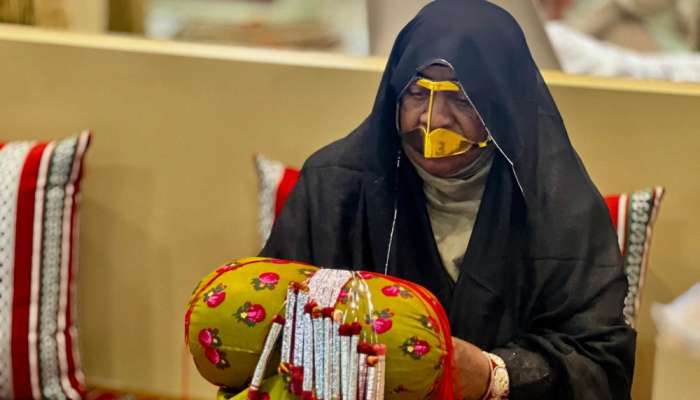

In the heart of Oman, nestled within the Al-Dhahirah Governorate, lies a vibrant tradition woven into the very fabric of women’s attire: Al-Badla. More than just ornamentation, this distinctive decorative element represents a profound expression of Omani heritage and identity. A testament to refined social taste and the remarkable creativity of Omani women, Al-Badla is undergoing a revival, championed by skilled artisans like Marhoona bint Rashid Al-Aziziyah, who are dedicated to preserving this beautiful art form.
The Evolution of Al-Badla: From Daily Wear to Cultural Icon
Historically, Al-Badla wasn’t always the symbol of prestige it is today. Marhoona Al-Aziziyah explains that it evolved over time, transitioning from a component of everyday clothing to a powerful emblem of identity and social distinction. Initially worn by women of higher social standing, it gradually became an essential adornment for significant occasions like Eid celebrations and weddings. This shift reflects a deeper cultural understanding, where Al-Badla transcended its purely decorative role to become a source of collective pride and a tangible representation of cultural belonging.
The Art of Weaving Al-Badla: Skill, Precision, and Inspiration
The creation of Al-Badla is a meticulous process demanding exceptional manual skill, unwavering precision, and considerable patience. Al-Aziziyah began her journey with this craft at the tender age of fourteen, and describes it as the artful composition of coloured cotton and shimmering metallic threads, intricately woven into decorative embroidery. This embroidery is then applied to various parts of traditional Omani garments.
Decoding the Visual Language of the Embroidery
The visual form of Al-Badla is rich with meaning. The interlacing of cotton and metallic threads creates a distinct visual language, where the size and spacing of stitches convey subtle messages. Wide stitches represent the simplicity of life, while dense stitches signify focus and precision. Approximately 40 threads of cotton, chosen for their strength and durability, are used, typically in traditional colours like red, white, and black, selected for their vibrancy. Around 14 silver threads, known locally as “Al-Khaws,” are interwoven, symbolizing luxury and value. Their lustrous shine represents light, hope, and joy, mirroring the beauty of the Omani landscape.
Symbolism and Social Significance of Al-Badla
The size and density of the Al-Badla embroidery traditionally indicated a woman’s wealth and social status, with larger, more elaborate designs signifying higher standing. Wearing it was, and often still is, reserved for major life events. The design itself is carefully arranged to achieve balance and harmony, based on the variation, density, and classification of the threads used. This careful consideration underscores the importance of aesthetics within Omani culture.
Beyond its visual appeal, Al-Badla embodies deeper symbolic meanings. Zigzag lines represent the strength and stability of the mountains, while palm-inspired motifs express continuity and generosity – values deeply ingrained in Omani society. The influence of Islamic architecture is also evident, with designs incorporating elements like columns, repeating patterns, and a central “house” motif, bordered by tower-like structures. These symbols reflect harmony, order, and a respectful coexistence with the natural environment.
Preserving a Legacy: Challenges and the Future of Omani Embroidery
Al-Aziziyah emphasizes the crucial role of Omani women in preserving and transmitting this heritage across generations. Through this craft, they document social experiences and values, embodying patience, endurance, and attention to detail – qualities honed over months of continuous manual work. However, the craft faces challenges. The limited availability and high cost of raw materials pose significant obstacles, sometimes forcing artisans to compromise on quality, which threatens the authenticity of the traditional dress.
Raising awareness of the cultural value of Omani crafts is paramount. Treating them solely as decorative items diminishes their role as carriers of heritage. Al-Aziziyah advocates for the establishment of training programs, educational workshops, and subsidized access to quality materials to ensure the continuity of the craft, addressing the declining number of skilled practitioners.
Al-Badla in the Modern Era: Adaptation and Continuity
Despite evolving fashion trends, Al-Aziziyah believes that Al-Badla is capable of adapting to modern styles while retaining its essence. By maintaining its geometric rhythm and hand-crafted execution, it can be incorporated into contemporary clothing and abayas, with adjustments to size, placement, and colour to appeal to younger generations. This adaptation ensures that Al-Badla remains a living heritage, passed down through the years.
Ultimately, Al-Badla is more than just an aesthetic element; it’s a cultural legacy that reflects the ingenuity of Omani artisans and their unwavering commitment to preserving their heritage. It stands as a powerful symbol of authentic Omani identity, a testament to the enduring beauty and significance of traditional craftsmanship. Further exploration of Omani textile traditions can be found through cultural organizations and local artisan cooperatives, offering opportunities to support and learn more about this remarkable art form.