





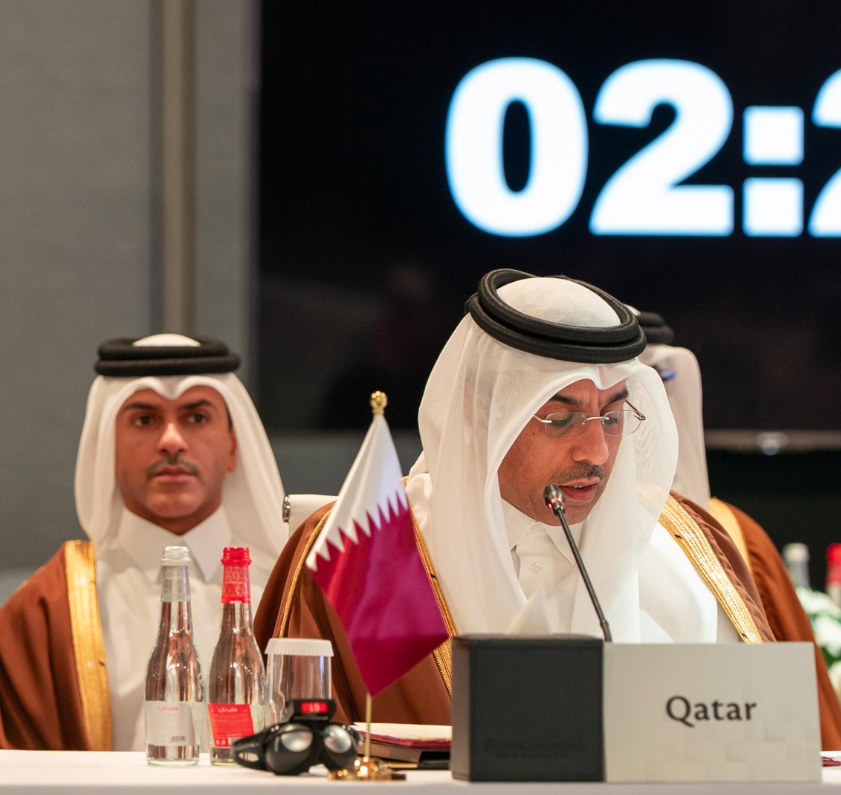

Qatar has reiterated its dedication to a just transition for its workforce, aligning national labor policies with environmental sustainability goals and preparing workers for the evolving demands of a climate-changing and technologically advancing global economy. The commitment was voiced at the recent ministerial meeting of the Abu Dhabi Dialogue, a platform for cooperation between labor-sending and labor-receiving countries. This initiative reflects a broader global push to ensure economic shifts don’t disproportionately harm workers.
Minister of Labour HE Dr. Ali bin Smaikh Al Marri emphasized Qatar’s investment in “green skills” and modernized training systems, particularly for migrant workers, to facilitate adaptation to new economic realities. The country’s approach is guided by the Qatar National Vision 2030, which prioritizes a balance between environmental protection, economic growth, and social equity. This commitment comes as countries worldwide grapple with the labor implications of decarbonization and automation.
Qatar’s Strategy for a Just Transition
The Ministry of Labour is actively integrating the concept of a just transition into its labor market policies, according to statements made at the Abu Dhabi Dialogue. This includes initiatives focused on upskilling existing workers, retraining those employed in traditional sectors, and supporting their movement into emerging green jobs and sustainable industries. These efforts are being undertaken in collaboration with the private sector and various educational and training institutions.
Upskilling and Retraining Programs
Details of specific upskilling programs were not immediately available, however, the ministry indicated a focus on sectors poised for growth in a more sustainable economy. This includes renewable energy, sustainable construction, and potentially, green technology manufacturing. The success of these programs will depend on accurately forecasting future skills needs and ensuring accessibility for all workers.
Additionally, Qatar highlighted the importance of regulating labor mobility, particularly within the Asia-Gulf Cooperation Council (GCC) corridor. The country believes safe and well-managed migration of workers can contribute to both economic and social development, provided it is based on principles of transparency, equal opportunity, social protection, and respect for human dignity. This aligns with international efforts to promote ethical recruitment practices and protect worker rights.
Addressing the Platform Economy
The rise of the platform economy and non-traditional work arrangements also received attention. Dr. Al Marri stressed the need to update legal and regulatory frameworks to address the challenges and opportunities presented by these new forms of employment. The goal is to foster innovation while simultaneously safeguarding worker rights, ensuring decent working conditions, and maintaining effective social protection systems. This is a challenge facing many nations as the gig economy expands.
Furthermore, Qatar emphasized the role of diversity and skills development in enhancing productivity and competitiveness in regional labor markets. The country called for expanded partnerships with the private sector, international organizations, and civil society to facilitate the sharing of expertise and best practices in labor market development. This collaborative approach is seen as crucial for navigating the complexities of a rapidly changing world.
The Abu Dhabi Dialogue, according to Dr. Al Marri, has proven to be a valuable platform for fostering cooperation between labor-sending and labor-receiving nations. It promotes fair and orderly labor mobility based on shared interests and respect for worker rights. This year’s agenda, encompassing climate change, the just transition, skills development, and digital platform work, addresses critical issues shaping the future of labor markets.
Qatar expressed its continued commitment to working with member states and international partners to develop more inclusive and sustainable labor mobility policies. The country also thanked Oman for its leadership of the Abu Dhabi Dialogue during the current cycle. The next steps involve implementing the commitments made during the meeting and monitoring progress towards achieving a more equitable and sustainable labor landscape.
Looking ahead, the effectiveness of Qatar’s strategy will depend on ongoing evaluation of its training programs, adaptation to evolving technological advancements, and continued collaboration with international partners. The timeline for achieving significant progress on the just transition remains uncertain, but the country’s commitment signals a long-term focus on building a resilient and equitable workforce.