






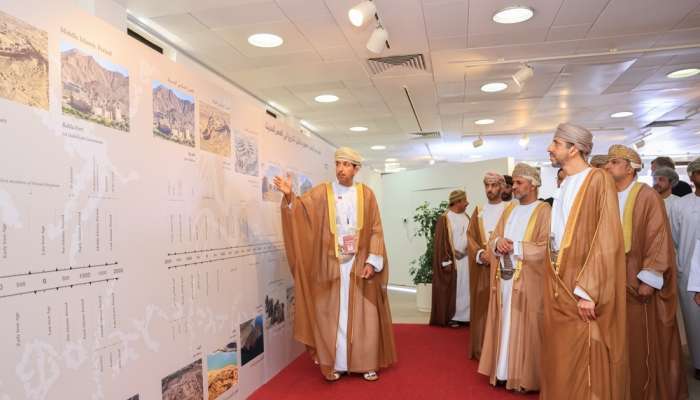

The first International Conference on the Archaeology of Oman commenced today at Sultan Qaboos University, bringing together nearly 100 leading scientists, researchers, and archaeology specialists. This significant event marks a pivotal moment in the study and preservation of Oman’s rich historical landscape, and celebrates a major milestone for the region’s archaeological community. The conference promises to be a vital platform for sharing knowledge and fostering collaboration in the field of Oman archaeology.
A Celebration of 50 Years of Archaeological Research
The three-day conference is a joint initiative by the Ministry of Heritage and Tourism and Sultan Qaboos University, specifically organized to commemorate the Golden Jubilee of the Journal of Oman Studies (1975–2025). Sayyid Ibrahim Said Al Busaidi, Minister of Heritage and Tourism, presided over the opening ceremony, underscoring the importance of this gathering for both national heritage and international scholarship. The event aims to facilitate dialogue, exchange expertise, and explore new avenues for scientific cooperation in archaeological research.
Keynote Addresses Highlight Oman’s Historical Significance
Eng. Ibrahim Said Al Kharousi, Undersecretary of the Ministry of Heritage and Tourism for Heritage, delivered a compelling keynote address emphasizing Oman’s deep historical roots and its role as a crossroads of civilizations. He highlighted how archaeological discoveries provide tangible evidence of human life and interaction with the environment over millennia. These findings, he explained, demonstrate the grandeur of ancient Omani civilization and its crucial position in ancient trade routes connecting Mesopotamia, the Indus Valley, and East Africa.
He further detailed the evolution of systematic archaeological research in Oman, beginning in the 1950s and becoming institutionalized with the establishment of the Ministry. This development led to organized surveys, excavations, and the crucial protection of archaeological sites across the country. The historical significance of Oman as the ancient copper-producing region of “Magan” during the third millennium BCE was also a key point of discussion.
Advancing Archaeological Studies and Digital Access
Dr. Nasser Al Jahwari, Chairman of the Organizing Committee, emphasized that hosting this international conference reinforces Oman’s position as a central hub for archaeological and heritage studies. He stated the conference’s goal is to strengthen Oman’s role in scientific dialogue and foster research partnerships within the field of heritage preservation.
Journal of Oman Studies Goes Open Access
A significant development announced during the conference was the transition of the Journal of Oman Studies to an open-access publication, in collaboration with international publisher Archaeopress. This move will include the journal in major international databases, significantly increasing its reach and impact. The launch of a new website for the journal represents a strategic step towards digital transformation in academic publishing, expanding access to vital research.
Sultan Saif Al Bakri, from the Ministry of Heritage and Tourism, highlighted the journal’s commitment to rigorous peer review and open-access policies, aiming to support researchers and elevate the visibility of Omani research on the global scientific stage. This initiative is a key component of Oman’s broader strategy for cultural development and knowledge dissemination.
Conference Launch Events and Initial Research Presentations
The opening day included several notable events, including a documentary film showcasing the 50-year history of the Journal of Oman Studies, the unveiling of a commemorative postage stamp in partnership with Oman Post, and the official launch of the journal’s new website. An accompanying exhibition was also inaugurated, featuring photographs, archaeological artifacts, a chronological timeline of Omani history, and information about the Ministry of Heritage and Tourism, Sultan Qaboos University, and the Department of Archaeology.
The first day’s sessions focused on a diverse range of topics, including prehistoric eras, the Stone and Iron Ages, paleoenvironments, human settlements, tool manufacturing, coastal archaeological heritage, and various archaeological sites throughout the Sultanate of Oman. These presentations offered valuable insights into the ongoing archaeological discoveries and the evolving understanding of Oman’s past.
Looking Ahead: Strengthening Oman’s Archaeological Future
The International Conference on the Archaeology of Oman represents a significant investment in the future of archaeological research and heritage preservation within the Sultanate. By fostering collaboration, promoting open access to knowledge, and celebrating Oman’s rich history, this event is poised to have a lasting impact on the field. The insights shared during the conference will undoubtedly contribute to a more robust knowledge base, supporting ongoing efforts to protect and celebrate Oman’s unique cultural heritage. Researchers and enthusiasts alike are encouraged to follow the developments stemming from this important gathering and explore the resources available through the Journal of Oman Studies and the Ministry of Heritage and Tourism.