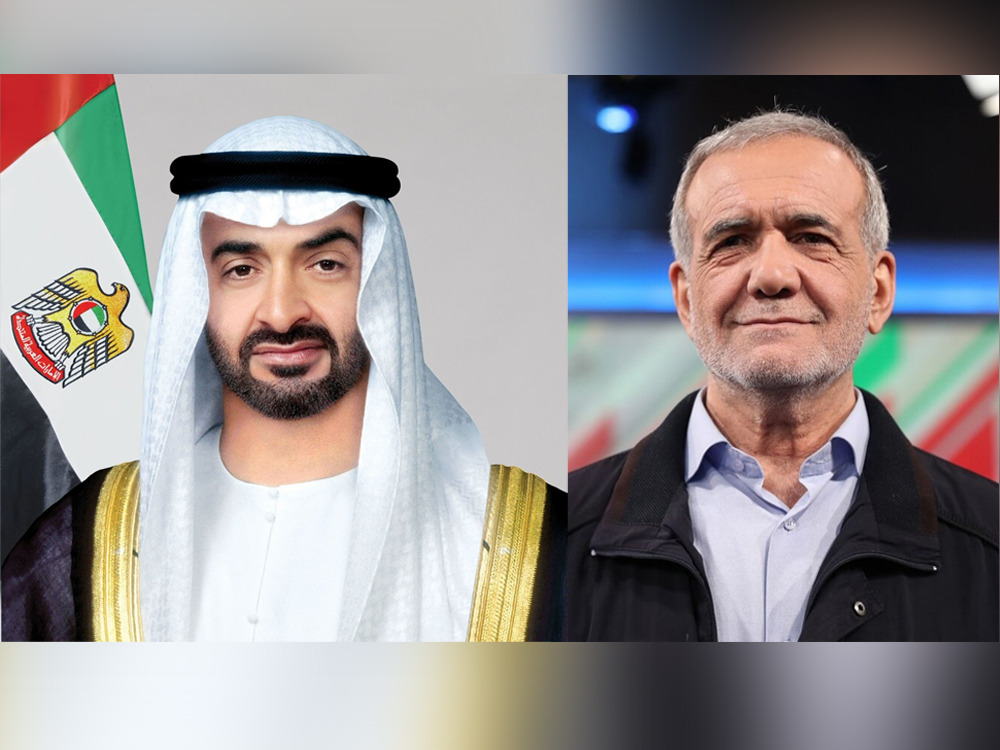

United Arab Emirates President Sheikh Mohammed bin Zayed Al Nahyan and Iranian President Masoud Pezeshkian held a phone conversation this week to discuss bilateral relations and regional stability. The discussion, reported by the UAE News Agency, signals continued diplomatic engagement between the two Gulf nations amid ongoing geopolitical tensions. This latest contact underscores the UAE’s commitment to de-escalation and dialogue in the Middle East.
The call took place on January 30, 2024, with both leaders focusing on strengthening ties and addressing shared concerns. According to the UAE’s official news outlet, the conversation covered a range of regional and international issues, with a particular emphasis on recent developments and efforts to promote peace. This dialogue occurs against a backdrop of complex regional dynamics, including conflicts in Yemen and Syria, and concerns over Iran’s nuclear program.
Strengthening UAE-Iran Relations
The UAE has been actively pursuing a policy of engagement with Iran in recent years, despite historical disagreements and competing regional interests. This approach reflects a broader strategy to prioritize stability and economic cooperation in the Gulf region. Analysts suggest the UAE views direct communication as crucial for managing potential conflicts and fostering a more predictable security environment.
Focus on Regional Security
Sheikh Mohammed bin Zayed reportedly emphasized the UAE’s dedication to supporting initiatives that bolster regional security and stability for the benefit of all countries and populations. This commitment aligns with the UAE’s broader foreign policy objectives, which prioritize economic development and peaceful coexistence. The UAE has consistently advocated for diplomatic solutions to regional disputes.
Both presidents stressed the importance of enhanced dialogue and diplomatic resolutions to address various challenges, contributing to the maintenance of security and stability. This shared emphasis on diplomacy suggests a willingness to explore common ground and avoid escalation. However, significant differences remain on issues such as regional influence and proxy conflicts.
The conversation also touched upon broader international issues of mutual interest. While specifics were not disclosed, this suggests a willingness to coordinate positions on global matters. This could include discussions on energy markets, trade, and counter-terrorism efforts. Diplomacy between the two nations is seen as a positive step towards broader regional cooperation.
Meanwhile, the timing of this call is noteworthy, occurring amidst heightened tensions in the Red Sea due to Houthi attacks on commercial shipping. The UAE and Iran share an interest in maintaining maritime security in the region, and this may have been a contributing factor to the discussion. The situation in the Red Sea has disrupted global trade routes and raised concerns about a wider conflict.
In contrast to past periods of strained relations, the UAE has taken steps to rebuild ties with Iran, including the restoration of diplomatic relations in 2023 after a seven-year rupture. This move was widely seen as a positive development, signaling a potential shift in regional dynamics. The resumption of diplomatic ties paved the way for increased economic and political engagement.
Additionally, the UAE has been working to mediate in regional conflicts, including Yemen, where it has played a role in supporting peace talks. This mediation effort reflects the UAE’s desire to see a stable and prosperous Yemen, and its willingness to engage with all parties involved. The ongoing conflict in Yemen has had a devastating humanitarian impact.
Looking ahead, further dialogue between the UAE and Iran is expected. The next steps will likely involve continued high-level contacts and potentially discussions on specific areas of cooperation, such as trade and security. However, the success of these efforts will depend on addressing underlying disagreements and building trust. The evolving geopolitical landscape and the actions of other regional actors will also play a significant role in shaping the future of bilateral ties and regional stability. Monitoring developments in Yemen and the Red Sea will be crucial indicators of the potential for further progress in foreign relations.