




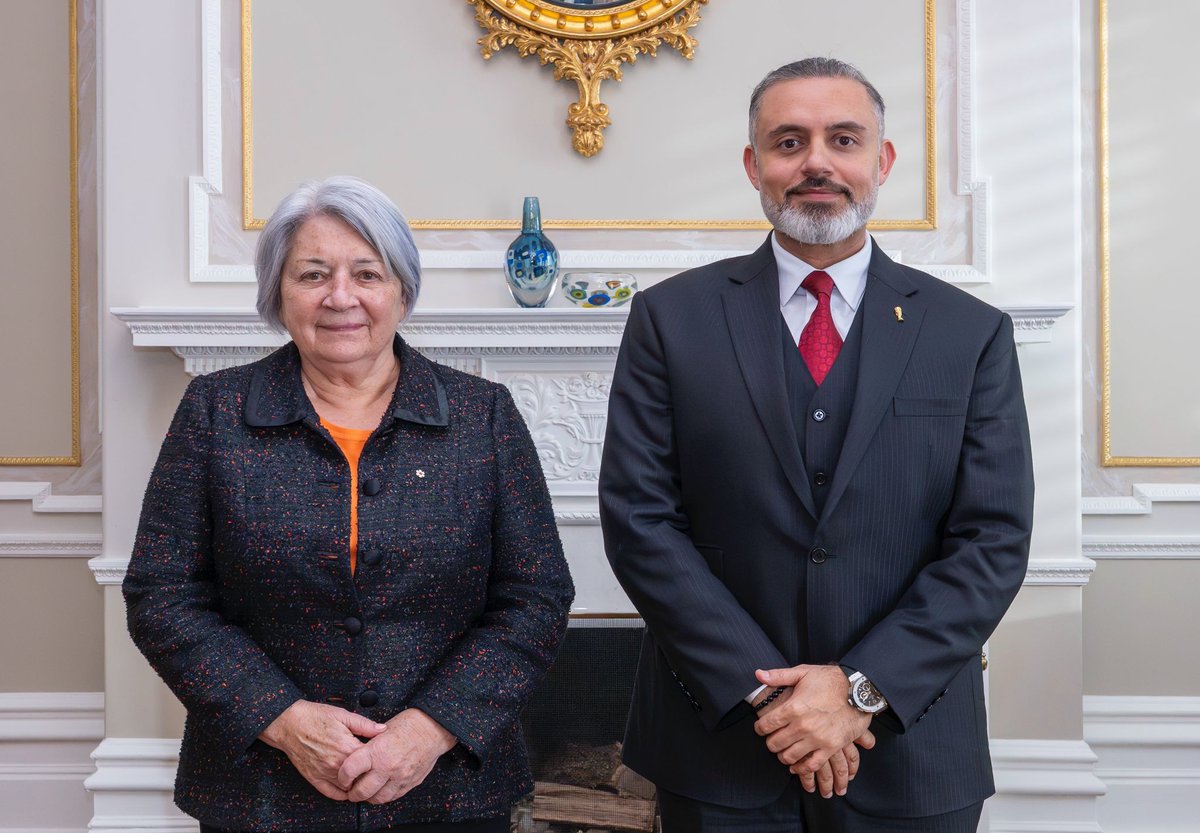

Ottawa witnessed a significant diplomatic exchange this week as Governor General of Canada Mary Simon met with Tariq Ali Faraj Al Ansari, the Ambassador of the State of Qatar to Canada. The meeting, held at Rideau Hall, focused on strengthening Canada-Qatar relations and exploring avenues for increased cooperation between the two nations. Discussions centered on existing partnerships and potential future collaborations across various sectors.
The meeting took place on January 30, 2024, and represents a continuation of ongoing efforts to bolster ties between Canada and Qatar. Both parties expressed a mutual desire to build upon the existing framework of diplomatic and economic engagement. This engagement comes at a time of increasing global focus on energy security and international partnerships.
Strengthening Canada-Qatar Relations: A Focus on Cooperation
The primary objective of the meeting was to review the current state of Canada-Qatar relations and identify opportunities for expansion. According to official statements, the Governor General and the Ambassador engaged in a comprehensive discussion regarding bilateral cooperation. This included exploring potential collaborations in areas such as trade, investment, and cultural exchange.
Economic Ties and Investment
Qatar has emerged as a key investor in several sectors within Canada, particularly in infrastructure and real estate. The Canada-Qatar Investment Treaty, ratified in 2018, provides a framework for protecting investments and fostering economic growth. Further discussions likely revolved around attracting additional Qatari investment into Canada’s burgeoning technology and renewable energy sectors.
Diplomatic and Political Alignment
Both Canada and Qatar share common ground on several international issues, including a commitment to multilateralism and peaceful conflict resolution. The two countries have collaborated on initiatives related to regional stability in the Middle East and humanitarian aid efforts globally. This shared perspective provides a solid foundation for continued diplomatic engagement.
However, differing perspectives on certain geopolitical issues remain. Navigating these differences through open dialogue is crucial for maintaining a productive and respectful relationship. The meeting provided a platform for candid discussions on these complex matters.
Meanwhile, energy cooperation is a significant component of the relationship. Qatar is a major producer of liquefied natural gas (LNG), and Canada is seeking to diversify its energy exports. While no specific agreements were announced following the meeting, the potential for increased LNG trade was likely a topic of conversation, especially given the current global energy landscape and Canada’s commitment to energy transition.
Additionally, cultural exchange programs are expected to receive increased attention. These programs aim to foster greater understanding and appreciation between the two cultures, promoting people-to-people connections. The Ambassador highlighted Qatar’s commitment to supporting cultural initiatives that showcase its heritage and artistic expression.
In contrast to some regional partnerships, the Canada-Qatar relationship has remained relatively stable and consistent. This stability is attributed to a shared commitment to diplomatic solutions and a pragmatic approach to economic cooperation. The meeting underscores the importance both countries place on maintaining this positive trajectory.
The Canadian government, according to sources within Global Affairs Canada, views Qatar as an important partner in the Middle East. This partnership is seen as contributing to regional stability and promoting Canadian interests in the region. The meeting with the Governor General reinforces this strategic outlook.
Looking ahead, the next step will likely involve follow-up discussions between officials from both countries to explore specific areas of collaboration identified during the meeting. A joint commission on bilateral cooperation may be convened in the coming months to develop a detailed action plan. The timing and scope of these initiatives will depend on ongoing consultations and evolving geopolitical circumstances. Further developments regarding potential investment deals and energy partnerships will be closely watched.