






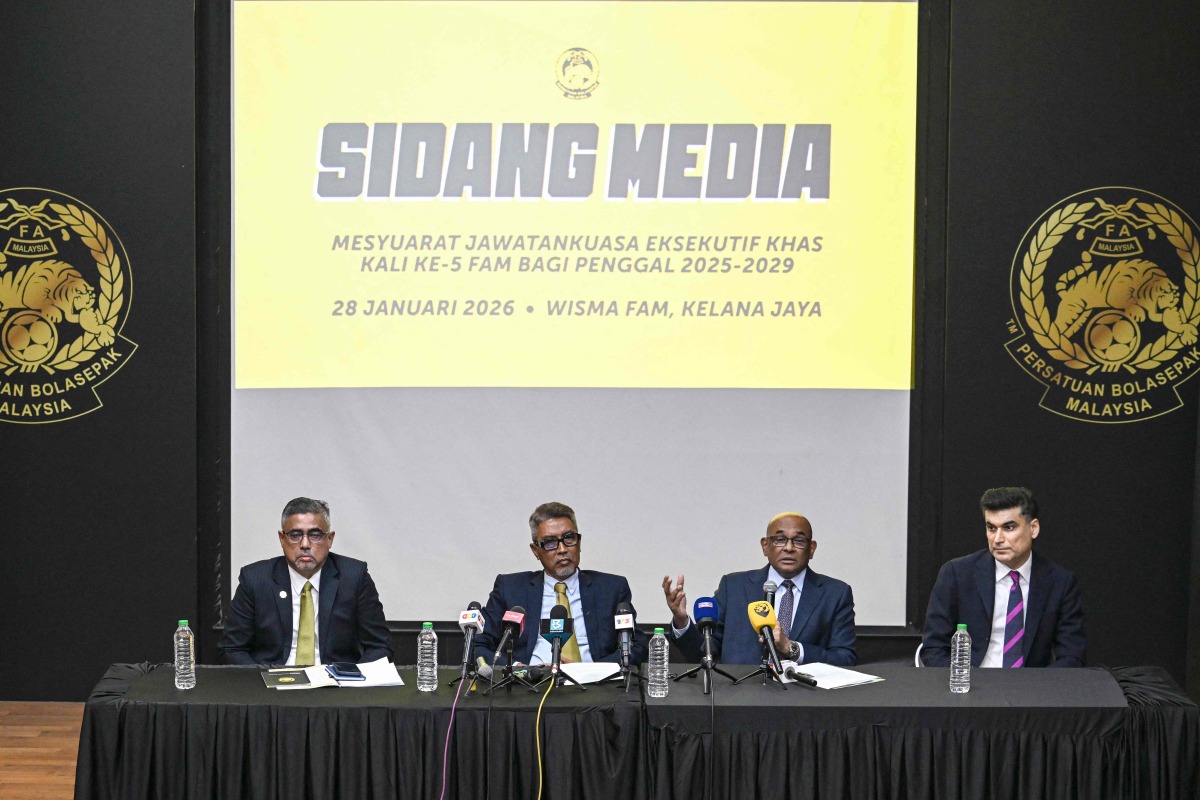

The Football Association of Malaysia (FAM) is facing a crisis after its entire executive committee resigned on Wednesday, January 29, 2026, amid a FIFA investigation into the eligibility of several players. The resignations stem from allegations of forged documents used to qualify foreign-born players, known as “heritage players,” for participation in Asian Cup qualifiers. This Malaysia football scandal has cast a shadow over the nation’s sporting ambitions and prompted a thorough review of its governance.
The mass resignation occurred at FAM headquarters in Kuala Lumpur and is intended to allow FIFA and the Asian Football Confederation (AFC) to conduct independent assessments. According to acting president Yusoff Mahadi, the move is a proactive step to protect the reputation of Malaysian football and mitigate potential further repercussions. The situation began unfolding last year with a FIFA probe triggered by a complaint following a qualifying match.
The Heritage Player Eligibility Controversy in Malaysia Football
The core of the issue revolves around seven foreign-born players – Hector Hevel, Jon Irazabal, Gabriel Palmero, Facundo Garces, Rodrigo Holgado, Imanol Machuca, and Joao Brandao Figueiredo – who were found to have submitted falsified documentation claiming Malaysian ancestry. FIFA determined that none of the players met the eligibility criteria, as they lacked the required familial connection to Malaysia. This discovery led to a one-year suspension for each player and a $400,000 fine for the FAM.
FIFA’s Investigation and Initial Sanctions
FIFA launched its investigation after Malaysia’s 4-0 victory over Vietnam in June, prompted by concerns raised about the players’ backgrounds. The investigation revealed discrepancies in the submitted documents, leading to the sanctions in September. The FAM subsequently appealed the decision, but a FIFA committee upheld the penalties and issued a critical report. The report specifically criticized the FAM for failing to take disciplinary action against those responsible for the fraudulent documentation.
However, the FAM has not conceded defeat. The association has appealed the FIFA committee’s decision to the Court of Arbitration for Sport (CAS) in Switzerland, where the case is currently pending. The outcome of this appeal will be crucial in determining the future of these players and the integrity of the qualifying process. The incident has raised broader questions about player eligibility rules and the verification processes employed by national football associations.
Implications for Malaysian Football
The scandal extends beyond the individual players and the financial penalty. The resignations of the entire executive committee signal a deep crisis of confidence within the FAM. The move is intended to facilitate a comprehensive review of the association’s governance and administrative procedures. This includes examining how player eligibility is verified and ensuring compliance with FIFA regulations. The incident has also sparked public debate about the ethics of utilizing “heritage players” and the potential for exploitation of loopholes in eligibility rules.
Additionally, the controversy has damaged Malaysia’s reputation within the Asian football community. The focus now shifts to the AFC and FIFA to determine the next steps, which could include further sanctions or a restructuring of the FAM. The incident also highlights the increasing scrutiny of national teams relying on players with questionable eligibility, a trend seen in several countries seeking to bolster their squads with talent from abroad. The issue of football eligibility is becoming increasingly complex in a globalized sporting landscape.
The CAS is expected to hear the FAM’s appeal in the coming months, with a decision anticipated before the end of 2026. The outcome will determine whether the suspensions of the seven players will stand and whether the FAM will face further penalties. The future of Asian Cup qualification for Malaysia remains uncertain, contingent on the CAS ruling and the subsequent actions taken by FIFA and the AFC. The situation will be closely monitored by football stakeholders across the region.
The long-term impact on Malaysian football will depend on the effectiveness of the reforms implemented following this crisis. A thorough and transparent investigation, coupled with robust governance structures, will be essential to restore trust and ensure the integrity of the sport in Malaysia. The incident serves as a cautionary tale for other national associations regarding the importance of due diligence and adherence to FIFA regulations regarding international football.