






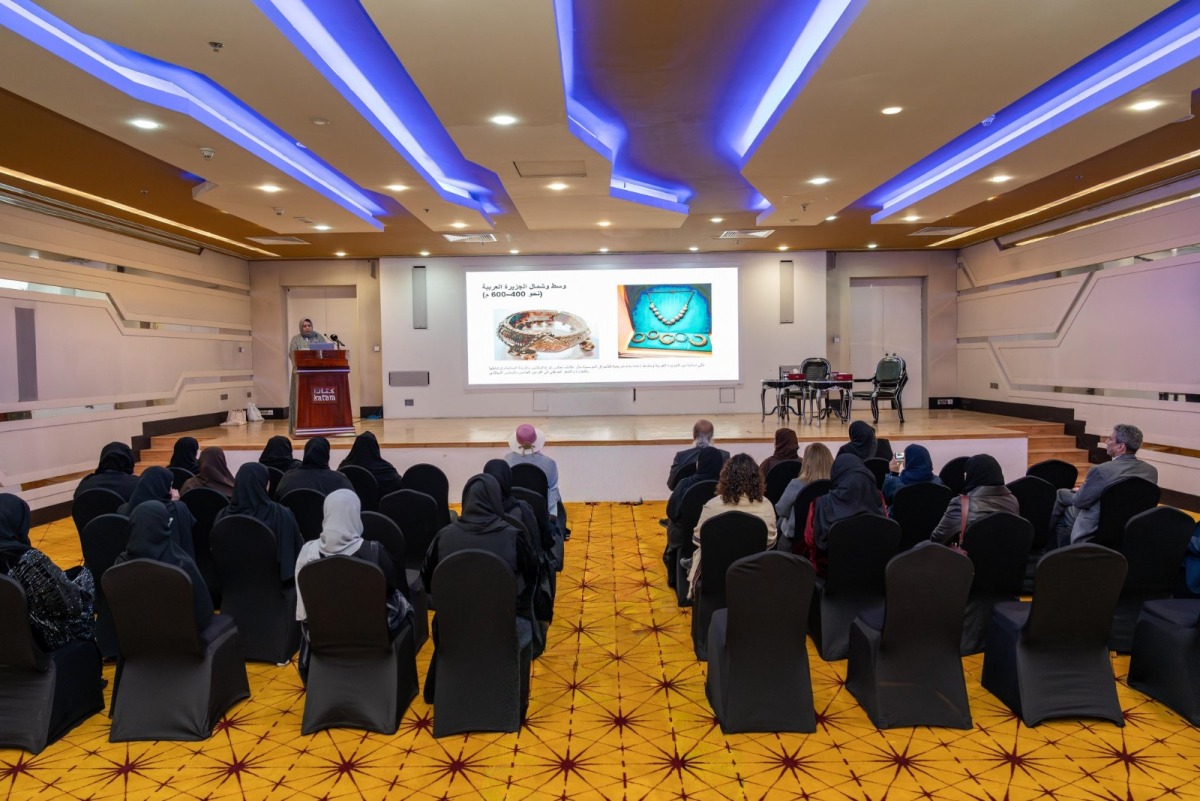

Doha, Qatar – A lecture held at Katara Cultural Village on Wednesday explored the fascinating history of Qatari women’s dress and its enduring significance to the nation’s cultural identity. Delivered by Dr. Aisha Abdullah Al Misnad of Qatar Museums and moderated by media personality Aisha Al Idrisi, the event examined how traditional attire has adapted alongside Qatar’s rapid modernization. The discussion highlighted the garment’s role as both a reflection of the past and a canvas for contemporary expression.
The lecture, attended by cultural enthusiasts and researchers, focused on the evolution of clothing styles worn by women in Qatar, tracing their origins and transformations over time. Katara Cultural Village frequently hosts events aimed at preserving and promoting Qatari heritage, and this lecture aligns with that mission. It provided a platform to understand the complexities of tradition in a rapidly changing world.
The Evolution of Qatari Women’s Dress
Dr. Al Misnad detailed how Qatari women’s dress isn’t a static concept, but rather a dynamic element of culture that has continuously evolved. She explained that the garments are deeply rooted in Gulf, Arab, and Islamic traditions, while also demonstrating influences from broader civilizations throughout history. This interplay of influences has resulted in the unique and recognizable styles seen in Qatar today.
Historical Influences and Adaptations
Historically, women’s attire in the region served practical purposes related to climate and social norms. The use of loose-fitting, dark-colored fabrics offered protection from the sun and sand, as well as maintaining modesty. According to historical accounts, trade routes played a significant role in introducing new materials and embellishments, gradually enriching the aesthetic of the clothing.
However, the introduction of oil wealth and subsequent modernization in the 20th century brought about further changes. While traditional garments remained prevalent, new styles and materials emerged, reflecting increased economic prosperity and global interconnectedness. These adaptations weren’t seen as a rejection of tradition, but rather as a natural progression.
Balancing Tradition and Modernity
Dr. Al Misnad emphasized that cultural development in Qatar has not led to the abandonment of traditional clothing. Instead, she argued, it has reshaped it, allowing women to navigate modern professional life while upholding their cultural values. This balance is crucial for maintaining a strong sense of national identity.
The lecture also touched upon the increasing opportunities for individual expression within the framework of traditional dress. Contemporary Qatari women are incorporating personal touches, such as unique accessories and subtle variations in design, to reflect their individuality. This demonstrates the enduring relevance and adaptability of Qatari women’s dress.
The discussion extended to the symbolism embedded within the garments themselves. Elements like embroidery and beadwork often carry specific meanings related to family history, social status, and regional identity. Understanding these nuances is key to appreciating the cultural depth of the attire. The concept of traditional Qatari clothing is therefore more than just aesthetics; it’s a form of storytelling.
Furthermore, the event highlighted the role of fashion in promoting Qatari culture on the international stage. Designers are increasingly drawing inspiration from traditional elements, creating modern interpretations that showcase the country’s rich heritage. This contributes to a greater understanding and appreciation of Qatari culture globally. The promotion of cultural experiences is a key component of Qatar’s tourism strategy.
Looking ahead, Qatar Museums plans to continue exploring and documenting the country’s cultural heritage through a series of lectures, exhibitions, and research initiatives. Further studies are expected to delve deeper into the regional variations of Qatari women’s dress and the evolving role of textiles in Qatari society. The long-term impact of these efforts on preserving and promoting national identity remains to be seen, but the commitment to cultural preservation is clear.
The ongoing dialogue surrounding cultural identity and modernization in Qatar will likely continue to shape the future of traditional attire. Observers will be watching to see how designers and individuals continue to innovate and express themselves within this evolving landscape, and how Qatar Museums further supports these efforts.