
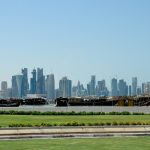



Doha, Qatar – Qatar Museums (QM) is preparing to host a comprehensive program of cultural events across the city, coinciding with the inaugural Art Basel Qatar, scheduled for February 5-7. The event will feature exhibitions, public art installations, and performances designed to showcase Qatar’s growing role as a global cultural hub. This citywide initiative launches alongside the Qatar Museums’ existing Fall-Winter season, aiming to provide both international visitors and local residents with a rich and diverse artistic experience.
The program will activate numerous institutions and public spaces throughout Doha, offering a broad perspective on Qatar’s cultural landscape. Presented in partnership with Qatar Sports Investment and QC+, the events are intended to complement the core Art Basel Qatar fair and highlight the nation’s commitment to the arts. According to Qatar Museums, the initiative reflects the breadth and depth of its year-round cultural activity.
A City Transformed by Art Basel Qatar
The timing of Art Basel Qatar is particularly significant as it coincides with Qatar Museums’ own 20th anniversary and the 50th anniversary of the National Museum of Qatar. This convergence of milestones underscores the nation’s sustained investment in cultural infrastructure and programming. The events are designed to appeal to a wide range of tastes, from historical artifacts to contemporary installations.
Key Exhibitions and Installations
One of the central exhibitions will be “Empire of Light: Visions and Voices of Afghanistan” at the Museum of Islamic Art. This unprecedented survey will showcase both historical and contemporary Afghan art, offering a rare glimpse into the country’s rich cultural heritage. Additionally, two landmark presentations dedicated to the life and work of architect I.M. Pei will be on display at ALRIWAQ and the Museum of Islamic Art, celebrating his contributions to modern architecture and his connection to Qatar.
The Fire Station, under the artistic direction of Wael Shawky, will host solo exhibitions featuring Chung Seoyoung, Haroon Mirza, and Ho Tzu Nyen. These exhibitions are expected to establish the Fire Station as a key location for artistic and intellectual exchange. Meanwhile, the National Museum of Qatar will present “Lehmesa: Return by Moonlight,” an immersive exploration of Qatar’s marine ecosystems, alongside “A Nation’s Legacy, A People’s Memory: Fifty Years Told,” honoring the museum’s history.
Beyond the major museums, the program extends to other venues. Liwan Design Studios and Labs will feature an exhibition focused on Ghanaian contemporary artists. Public art installations, such as Ernesto Neto’s “SlugTurtle, TemplEarth” at Our Habitas, will add to the city’s artistic atmosphere. The forthcoming Rubaiya Qatar will present “untitled 2025 (no bread no ashes)” by Rirkrit Tiravanija, combining installation and performance art. A Qatar-Argentina 2025 Year of Culture will also be celebrated with a large-scale sculpture by Gabriel Chaile.
Qatar’s Growing Cultural Influence
HE Sheikha Al Mayassa bint Hamad Al-Thani, Chairperson of Qatar Museums, stated that the inaugural Art Basel Qatar represents a new milestone in the nation’s support for creativity and its engagement with the international cultural community. This event builds upon Qatar’s existing cultural initiatives, such as Qatar Creates, which aims to foster a thriving arts ecosystem. The country has been actively investing in museums, galleries, and public art spaces to attract both tourists and artistic talent.
The broader context of these events is Qatar’s ambition to become a leading destination for arts and culture in the Middle East. This strategy involves not only showcasing international art but also promoting local artists and cultural traditions. The focus on contemporary art, alongside historical exhibitions, demonstrates a commitment to both preserving the past and embracing the future. The development of cultural tourism is also seen as a key component of Qatar’s economic diversification plans, moving beyond its reliance on oil and gas.
Looking ahead, the success of the first Art Basel Qatar will be a crucial indicator of the event’s long-term viability and its impact on the region’s art market. Organizers will be assessing visitor numbers, sales figures, and overall feedback to inform future editions. The continued expansion of Qatar Museums’ programming and the development of new cultural institutions will also be key factors to watch as Qatar solidifies its position as a global cultural destination.
The evolution of Qatar’s cultural landscape, marked by initiatives like Evolution Nation, suggests a continued commitment to fostering a vibrant artistic community and preserving its national heritage. The long-term effects of these investments on Qatar’s identity and its role in the global art world remain to be seen.