






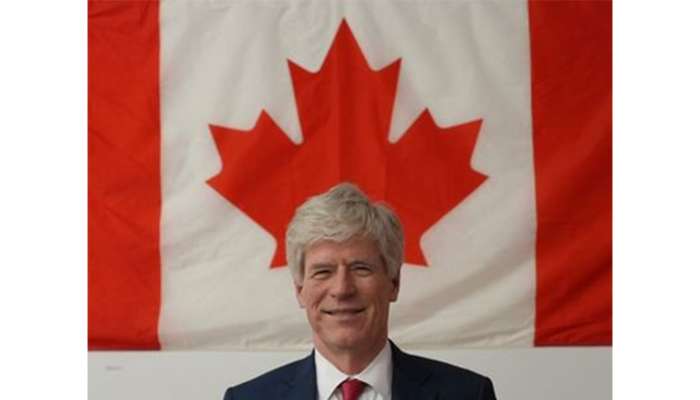

India is rapidly becoming a pivotal player in the global energy landscape, and Canada is keen to strengthen its ties with the nation. This sentiment was strongly expressed by Canada’s Minister of Energy and Natural Resources, Tim Hodgson, during his visit to India this week as a guest at India Energy Week in Goa. Hodgson highlighted the immense opportunity for energy trade with India as demand surges, emphasizing the need for Canada to deepen its involvement in this crucial market.
India’s Growing Energy Demand: A Global Shift
The scale of India’s projected energy growth is staggering. Hodgson pointed out that India’s demand for both conventional and clean energy is expected to surpass the combined growth of China and all of Southeast Asia over the next decade. This isn’t simply about increased consumption; it’s a fundamental shift in the global energy balance.
This surge is driven by India’s burgeoning economy and a rapidly expanding population. As Union Minister for Petroleum, Hardeep Puri, stated at India Energy Week, the country is already the world’s third-largest energy consumer and is poised to account for nearly 30-35% of the global energy demand increase by 2050, ultimately reaching around 10% of the total global demand. However, Puri also underscored the responsible nature of this growth, noting that India’s per capita energy consumption remains significantly below the global average, at approximately 40%.
Canada Seeks to Expand Energy Exports to India
Hodgson’s visit marks a significant moment in Canada-India relations, being the first-ever federal ministerial presence at India Energy Week and the first Canada-India energy dialogue in eight years. He explicitly stated that for Canada to achieve its ambition of becoming an “energy superpower,” robust energy trade with India is essential.
This ambition aligns directly with the Canadian Prime Minister’s commitment to double non-U.S. exports, with energy and natural resources playing a key role. Canada is strategically positioning itself to become a reliable supplier of various energy resources to India, including:
- Liquefied Natural Gas (LNG)
- Clean energy solutions
- Uranium
- Critical minerals
Hodgson specifically mentioned the potential of utilizing infrastructure like floating storage facilities for liquefied gas as a key component of this expanding trade relationship. He described the prospect of “liquefied gas going into the floating storage tanks” as a pivotal opportunity.
Opportunities in LNG and Clean Energy Cooperation
The focus on liquefied natural gas is particularly noteworthy. As global energy markets evolve, LNG is becoming an increasingly important fuel source, offering flexibility and security of supply. Canada, with its significant LNG resources, is well-placed to meet India’s growing needs.
However, the relationship isn’t solely focused on fossil fuels. Canada is also eager to collaborate with India on clean energy technologies and projects. This includes exploring opportunities in renewable energy sources like solar and wind, as well as advancements in hydrogen production and carbon capture. Supporting India’s energy transition is a central theme of the discussions, recognizing the country’s commitment to reducing its carbon footprint. This diversification of energy sources is crucial for both nations’ long-term sustainability.
Laying the Groundwork for Bilateral Partnerships
Hodgson’s trip isn’t just about high-level discussions. He is actively engaging with Indian government officials, industry leaders, and Canadian businesses operating in India. The goal is to forge concrete partnerships and identify specific investment opportunities that will facilitate increased energy trade with India.
These meetings are intended to lay the groundwork for new bilateral agreements and initiatives that will streamline trade processes, reduce barriers to investment, and promote collaboration on research and development. The Canadian Minister is keen to understand the specific needs and priorities of the Indian energy sector, ensuring that Canadian offerings are tailored to meet those demands. Furthermore, discussions are likely to cover the importance of responsible and sustainable energy development, aligning with both countries’ environmental goals.
The Importance of Critical Minerals
Beyond LNG and clean energy, Canada recognizes the growing importance of critical minerals in the global energy transition. These minerals – such as lithium, nickel, and cobalt – are essential components in batteries, electric vehicles, and other clean technologies. Canada possesses abundant reserves of these minerals and is actively seeking to establish secure and reliable supply chains to meet the increasing demand from countries like India. Strengthening this aspect of energy trade with India will be vital for both nations as they pursue their respective climate targets.
In conclusion, Tim Hodgson’s visit to India signifies a renewed commitment to strengthening energy ties between the two nations. With India’s energy demand set to skyrocket and Canada’s ambition to become an energy superpower, the potential for mutually beneficial collaboration is immense. The focus on LNG, clean energy, and critical minerals presents a diverse range of opportunities for increased trade and investment. This engagement is not only strategically important for Canada but also supports India’s sustainable development goals and its role as a key player in the global energy transition. Further details on specific agreements and initiatives are expected to emerge following Hodgson’s meetings in Goa and Delhi, and will be closely watched by industry stakeholders worldwide.