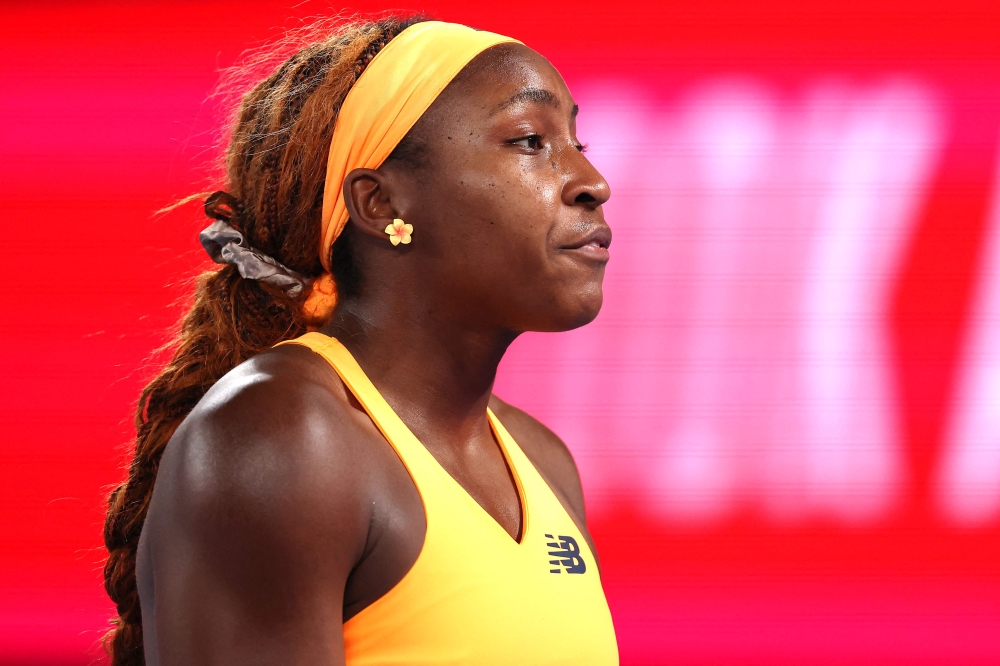

Melbourne, Australia – Concerns over player privacy at the Australian Open reached a fever pitch Wednesday after Coco Gauff publicly expressed frustration with the constant presence of cameras, even in moments of private distress. The incident, following Gauff’s quarterfinal loss to Elina Svitolina, sparked a wider conversation among players about the boundaries of media access and the impact of relentless scrutiny on their emotional wellbeing. The debate centers on whether the pursuit of content has crossed the line into an unacceptable Australian Open privacy issue.
Gauff’s upset stemmed from cameras capturing her smashing her racquet in a secluded area of the stadium after her defeat. She stated she intentionally sought a private space to manage her frustration, particularly mindful of the presence of children in the stands. Several other prominent players quickly voiced their support for Gauff’s position, adding fuel to the growing discussion.
Players Demand More Privacy at the Australian Open
Iga Swiatek, the world number two, described the situation as feeling like “animals in the zoo,” according to reports from the Associated Press. She argued that while players understand being observed during matches and press conferences, the constant off-court surveillance is intrusive and hinders their ability to process emotions and maintain a sense of normalcy. This sentiment was echoed by veteran Serena Williams, who posted on social media that “Passion. Caring. Matters. Nothing wrong with hating to lose.”
The issue isn’t limited to emotional outbursts. Players have also noted instances of cameras zooming in on personal interactions, such as phone conversations, and capturing moments they consider private. This has led to concerns about the potential for misrepresentation and the erosion of personal space during a highly competitive tournament.
The Impact of Social Media
The rapid dissemination of these moments via social media platforms amplifies the problem, according to Jessica Pegula, who advanced to the semifinals. Footage of Gauff and Swiatek, including an incident where Swiatek was denied access to an area for not wearing her accreditation, quickly went viral, turning personal moments into public fodder. Pegula characterized this as a clear “invasion of privacy.”
Amanda Anisimova, while less concerned about being filmed herself, acknowledged the unfairness of Gauff’s situation. She stated that players should have control over when and how their personal moments are shared with the public. The increasing prevalence of mobile phone cameras and instant sharing capabilities has undoubtedly exacerbated the challenge of maintaining privacy at large sporting events.
The Australian Open, like other Grand Slam tournaments, has long provided extensive media coverage. However, the scope of that coverage has expanded significantly in recent years with the rise of digital media and the demand for constant content. This has created a tension between the tournament’s desire to engage fans and the players’ need for personal space.
Tournament officials have not yet issued a formal response to the players’ concerns, but the issue is expected to be discussed during meetings this week. Possible solutions could include restricting camera access to certain areas, implementing clearer guidelines for media behavior, and providing players with more designated private spaces. The debate also touches on broader issues of athlete mental health and the pressures of performing under constant public scrutiny, a growing concern in professional women’s tennis.
The players’ unified voice on this matter is likely to put pressure on tournament organizers to address the issue. Whether the Australian Open will implement changes during the current tournament remains to be seen. However, the conversation has highlighted a critical need for a more balanced approach to media coverage that respects the privacy and wellbeing of the athletes. The future of Australian Open regulations regarding player access will be a key development to watch in the coming days and weeks.
Looking ahead, the WTA and ATP tours may consider adopting standardized privacy protocols for all tournaments to ensure consistent treatment of players. The outcome of this situation could set a precedent for other major sporting events grappling with similar challenges in the digital age.