






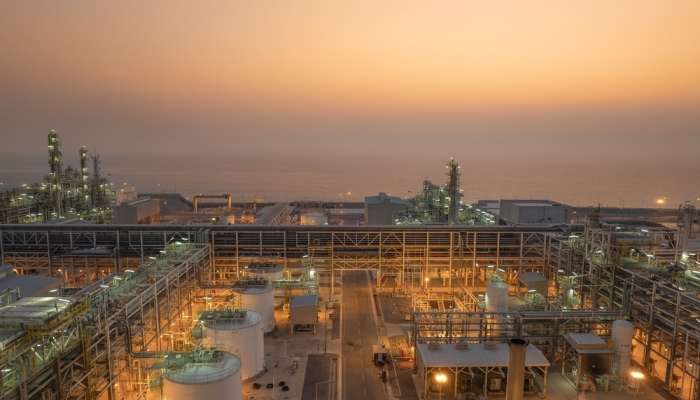

Oman’s oil sector, a cornerstone of the nation’s economy, experienced a nuanced shift at the close of December 2025. While overall production saw a marginal increase, recent data indicates a slight dip in Oman oil exports, coupled with a decrease in average oil prices. This report delves into the preliminary statistics released by the National Centre for Statistics and Information (NCSI), examining the factors at play and potential implications for the Sultanate’s economic outlook. Understanding these trends is vital for investors, policymakers, and anyone tracking the global energy market.
Oman Oil Exports: A Year-End Analysis for 2025
The NCSI’s data reveals that Oman oil exports totaled 307,960,900 barrels by the end of December 2025. This represents a subtle decrease of 0.1% compared to the 308,422,100 barrels exported during the same period in 2024. While the decline is minimal, it’s a noteworthy development when considered alongside other key indicators.
This fractional reduction doesn’t necessarily signal trouble for Oman’s oil industry. Fluctuations in export volumes are common and can be influenced by a multitude of factors, including refinery maintenance, changes in international demand, and strategic inventory management. However, the context of a falling average oil price requires closer examination.
Impact of Global Oil Prices
The average price of Omani oil decreased significantly, registering a 12.1% decline to $71 per barrel by the end of December 2025. This is down from $80.8 per barrel during the equivalent period in 2024. This fall in price undeniably impacts Oman’s revenue from oil sales, despite the slight increase in overall production.
Lower oil prices can be attributed to several global economic factors. Increased production from other countries, slower global economic growth which lessens demand, and geopolitical events can all contribute to downward pressure on oil prices. The energy market is famously volatile, and Oman, like other oil-exporting nations, is subject to these global forces. This situation calls for careful financial planning and diversification of economic activity.
Production Trends and Domestic Factors
Interestingly, while exports saw a very small decline, Oman’s average daily production of oil actually increased by 0.9% to 1,002,000 barrels per day by the end of December 2025. This figure climbed from 992,600 barrels per day during the comparable time in 2024. The increase in production suggests ongoing investment in Oman’s oil infrastructure is bearing fruit.
Total oil production for the Sultanate also experienced a modest rise of 0.7%, reaching 365,754,400 barrels by the end of December 2025, up from 363,288,500 barrels in the previous year. This disparity between production and export figures hints at increased domestic consumption or a build-up of strategic reserves.
Exploring Potential Causes for the Export Adjustment
Several reasons could explain the minor decrease in Oman oil exports despite increased production. The nation might be prioritizing a greater share of its output for domestic refining to meet growing local energy demand. Increased refining capacity within Oman would reduce the need to export crude oil, as more of it is processed into higher-value products like gasoline and diesel for local use.
Alternatively, the slight difference could be part of Oman’s strategic petroleum reserve management. Nationally held petroleum reserves can act as a buffer against global market volatility, allowing for controlled releases or additions to supply. Understanding Oman’s energy policy is key when interpreting these figures.
Implications for Oman’s Economy & Future Outlook
The combination of decreased oil prices and a minor fall in Oman oil exports presents both challenges and opportunities. The decline in revenue necessitates a continued focus on fiscal consolidation and economic diversification.
Oman’s “Vision 2040” plan is a key initiative aimed at reducing the country’s reliance on oil revenue. Focusing on sectors like tourism, logistics, and manufacturing will be crucial for sustainable economic growth. The country is actively investing in these areas, seeking to create a more resilient and diversified economy. Investments in renewable energy sources are also gaining momentum, aligned with global sustainability goals and Oman’s ambition to become a green energy hub.
Furthermore, Oman’s efforts to attract foreign investment are expected to continue, providing capital and expertise for vital infrastructure projects and the development of non-oil sectors. The nation’s political stability and strategic location continue to be attractive qualities for international investors. Examining Oman’s foreign investment policy will prove insightful in forecasting future trends.
In conclusion, the recent data on Oman oil exports and production reveals a complex picture. While increased production is positive, the decline in oil prices and the slight dip in exports highlight the importance of Oman’s ongoing efforts to diversify its economy and build resilience against global market fluctuations. Continued monitoring of these key indicators – oil production, exports, and prices – coupled with a comprehensive understanding of Oman’s economic strategies, will be essential for assessing the long-term health and stability of the Sultanate’s economy. Those interested in further analysis of Oman’s economic performance can explore reports on the country’s overall GDP growth and sectoral contributions on the NCSI website.